Theme: Time and Space
Ibadan, Oyo State, Nigeria
November 30, 2013
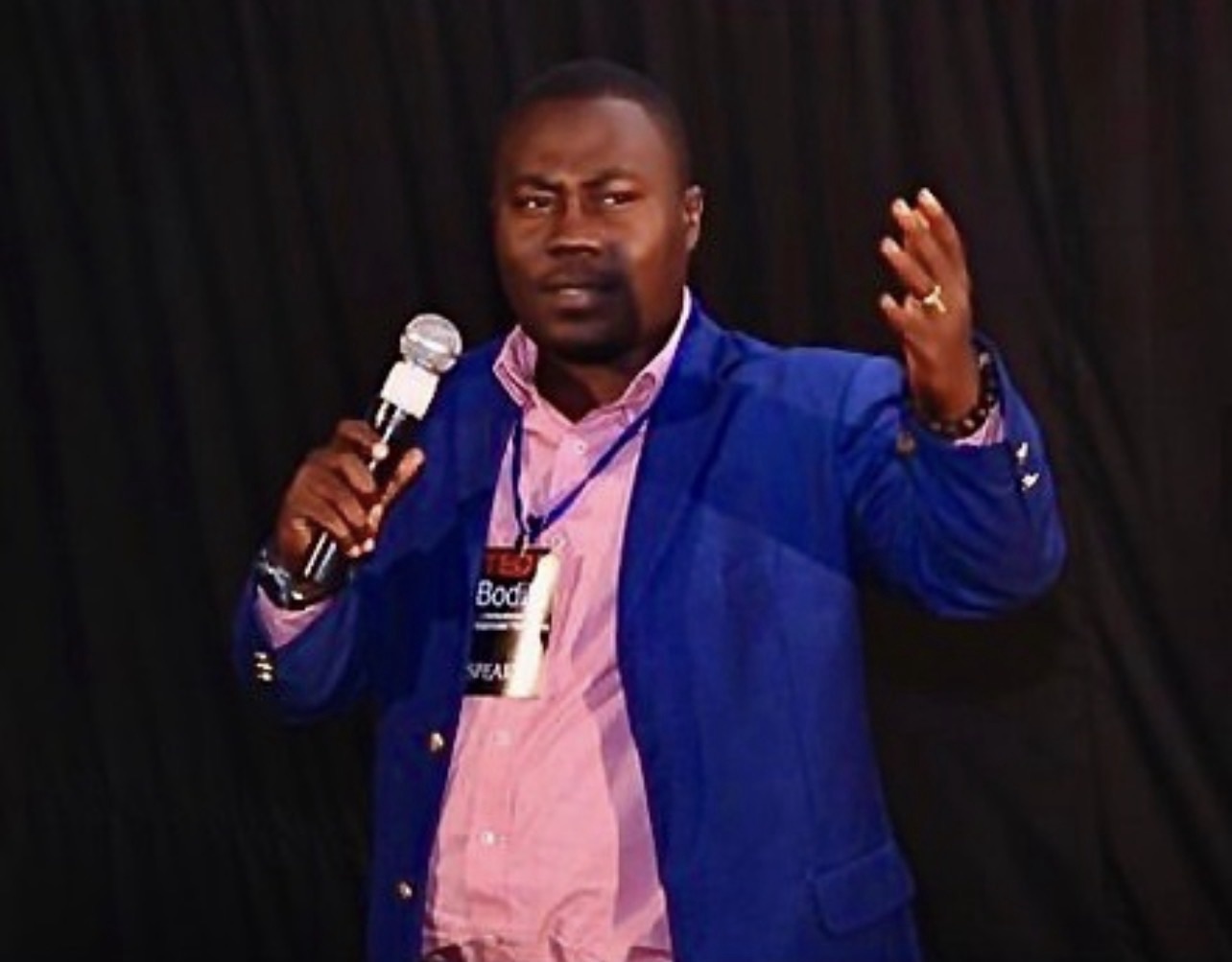
Thirteen years ago in Ibadan, under the banner of Time and Space, My sick self(Malaria) stood before a room filled with possibility and declared that African youth must build their MarketSpace if they are to take their rightful MarketPlace.
I argued then that geography is no longer destiny. That whether in Accra, Ibadan, Kigali, Nairobi, or the diaspora, African youth were on the same wavelength; hungry, intelligent, restless. The question was not talent. The question was space. Who controls it? Who defines it? Who monetizes it?
Today, almost thirteen years later, the world has validated that thesis.
And I Ask Myself What Has Changed Since 2013?
In 2013:
African tech ecosystems were fragile and undercapitalized. Youth unemployment was rising. Social media was influence; it was not yet infrastructure. Continental trade integration was still largely aspirational.
In 2026:
Africa has unicorn startups. Fintech, creative industries, and digital services are reshaping economies. The diaspora is investing back home. The African Continental Free Trade Area is no longer theory but policy reality.
Yet the core challenge remains: we still participate more in markets we did not design than in spaces we own.
We have entered the marketplace but have we built the marketspace?
The Original Argument: MarketSpace Before MarketPlace
In that talk, I made three core propositions:
Space precedes power. Ownership precedes influence. Coordination precedes scale.
I spoke about traveling across the continent and sensing a generational alignment. Young Africans thinking differently from inherited systems. We were ready. What we lacked was organized structure.
Time has proven that the instinct was right.
But readiness without architecture leads to leakage of value.
What Should We Do Now (2026–2036)
If 2013 was about awakening, 2026 must be about institutionalization.
1. Move From Startup Culture to Institutional Culture
Africa cannot survive on pitch decks and panels.
We must build:
Venture funds owned by Africans. Research institutions funded by Africans. Policy think tanks shaping African regulation.
The marketspace must include capital, knowledge, and law. Not just hustle.
2. Capitalize Citizenship
African youth must understand that citizenship itself is economic infrastructure.
Passports, mobility, trade rights, digital identity these are our assets.
Our generation must push for:
Free movement implementation under AfCFTA. Cross-border startup financing frameworks. Youth-led continental consortiums.
If we do not capitalize our citizenship, others will tokenize it.
3. Convert Digital Noise Into Digital Sovereignty
We have mastered virality.
We have not mastered platforms.
MarketSpace 2.0 means:
Building African-owned platforms. Owning payment rails. Securing data infrastructure.
Influence without ownership is rented power.
4. Discipline the Energy of Youth
In 2013, I charged the youth to act.
Today, I would add: act with structure.
Anger is not strategy.
Talent is not transformation.
Visibility is not value.
We must cultivate:
Financial literacy. Policy literacy. Institutional patience.
5. Redefine What “Taking Our Place” Means
Taking our rightful place does not mean replacing others.
It means refusing marginality.
It means:
Controlling value chains. Setting regulatory standards. Writing intellectual frameworks. Owning narratives.
It means building ecosystems where the next generation does not have to fight for space because we already created it.
Time Has Passed. Space Remains Contested.
The theme in Ibadan was prophetic: Time and Space.
Time has tested us.
Space is still contested.
The next decade should not be about potential. It will be about positioning.
The African youth question is no longer:
“Can we?”
It is:
“Will we organize?”
If I were to stand again at that podium today, I would say:
Do not merely enter the marketplace.
Architect the marketspace.
Coordinate capital.
Institutionalize courage.
Convert citizenship into leverage.
And move from participation to power.
Thirteen years ago, we were on the same wavelength.
Now, we must be on the same strategy.
Lord Fiifi Quayle
To John Armah who was initially scheduled to speak, the dream is still on course.
AFRICA MUST WORK AGAIN