By Lord Fiifi Quayle
On 16 February 2026, the Ghana Gold Board (GoldBod) announced the temporary suspension of selected gold buying license applications ahead of regulatory reforms. On the surface, it appeared administrative. In reality, it signals a structural reset of Ghana’s gold purchasing regime.
Behind the decision lies a system under strain.
The Structural Challenges
1. High Cost of Operations
GoldBod’s current four-tier licensing structure has proven expensive. Commissions are paid across multiple buyer categories, inflating operational costs. When layered on top of assay fees, refining charges, freight, insurance, logistics, and market discounts, the Board struggles to secure gold at a competitive margin relative to the global spot price. Without purchasing at a discount, sustainability becomes mathematically difficult.
2. Pricing & Discount Constraints
In global bullion markets, buyers must negotiate below spot to cover downstream costs. GoldBod’s limited ability to secure reasonable discounts erodes its margin before refining and export. The result: thin spreads and mounting institutional pressure.
3. Smuggling & Regulatory Arbitrage
Smuggling remains a critical leak. Tier II operators allegedly access government funds, purchase gold, divert it to smugglers at premium prices, and later refund the principal. The state loses arbitrage value. In some instances, funds have reportedly been diverted across borders, requiring law enforcement and legal battles that drain institutional capital.
4. Hoarding & Traceability Gaps
Gold hoarding distorts supply visibility. Traceability is weak; fragmented buying systems make origin tracking difficult. Without centralized smelting and documentation, Ghana risks selling into markets at discounted prices due to verification uncertainty.
5. Buyer-Level Theft & Compliance Risks
Leakages at the buyer level compound financial strain, threatening institutional solvency if unchecked.
The Proposed Reset
GoldBod’s reform package appears built around consolidation and control:
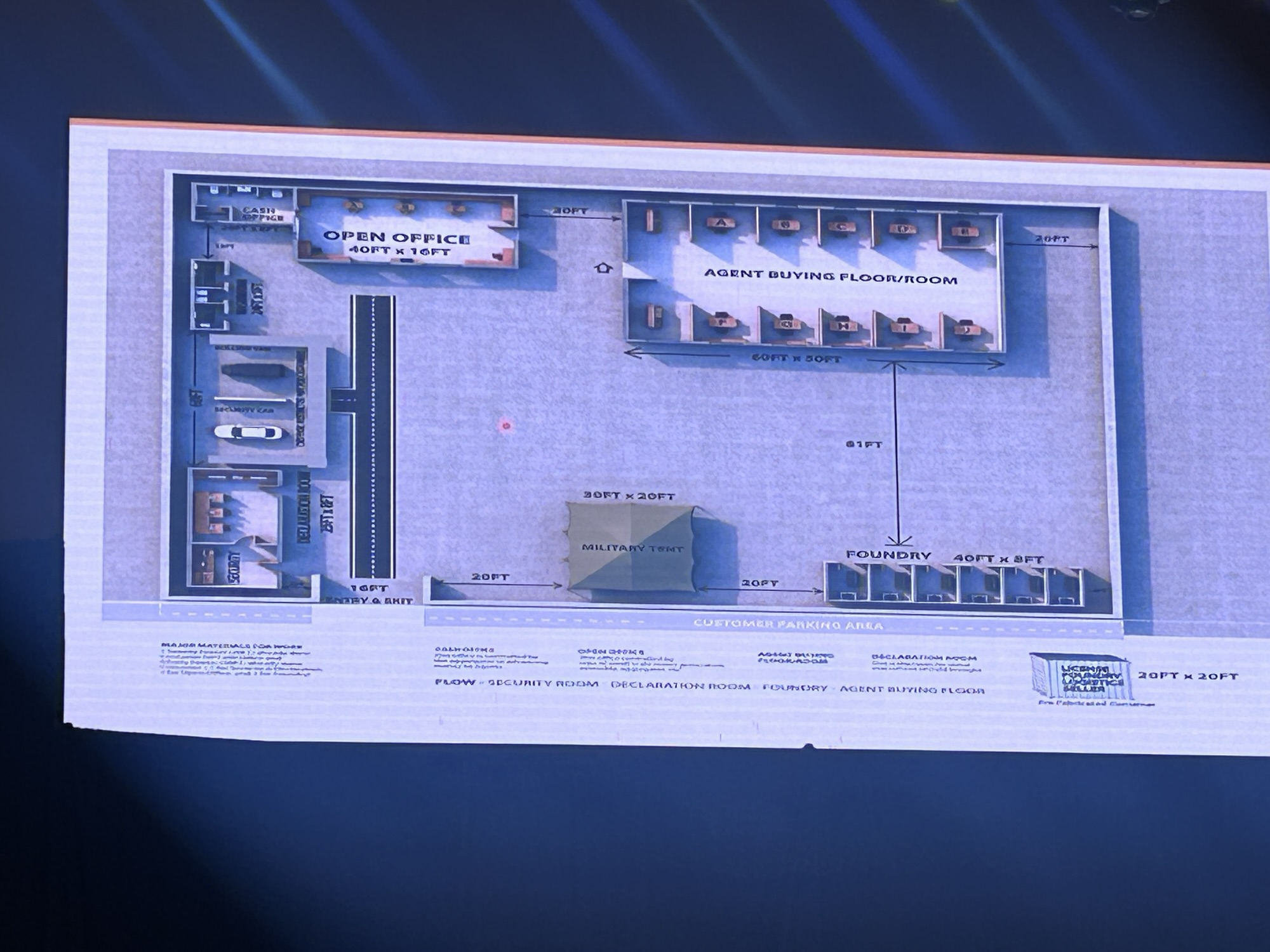
Revocation of Tier 1, Tier 2, and Self-Financing licenses Retention of only Aggregator and Buying licenses Creation of 13 mining zones “One District, One Gold Market” policy (with flexibility for larger districts) Mandatory localized smelting and foundry systems for traceability
This district-based model echoes systems implemented in Tanzania and Liberia, where structured gold markets improved oversight and tax capture. The difference here would be Ghana’s attempt to modernize and digitize traceability within that framework.
The Strategic Trade-Off
Critics may argue that reforms are abrupt and lack broad stakeholder consultation or pilot phases. Supporters counter that GoldBod’s February 2026 intake figures reveal unsustainable supply capture, and delay risks deeper losses.
The core policy question is simple:
Reform the system now, or risk institutional collapse later.
If implemented transparently, with digital tracking, strong enforcement, and anti-smuggling coordination, this reset could restore margin discipline, improve traceability, and reduce capital leakage.
The February 16 suspension was not administrative housekeeping.
It was a signal that Ghana’s gold governance model is entering a new phase.
GHANA MUST WORK AGAIN