• The Central Bank of Ghana: A Catalyst for Economic Mismanagement

    December 30, 2024
    Governance

    By Lord Fiifi Quayle inspired by George Oyatey

    Once hailed as a beacon of hope for economic development in West Africa, Ghana now finds itself grappling with a myriad of challenges that threaten its stability and growth. At the heart of this turmoil lies the Central Bank of Ghana (BoG), whose policies and actions have significantly contributed to the country’s economic mismanagement. From inflation control to banking sector clean-up, the BoG’s role has been pivotal, yet detrimental, in shaping Ghana’s current economic landscape.

    The Inflation Dilemma

    In recent years, Ghana has experienced soaring inflation rates, with the Consumer Price Index (CPI) reaching unprecedented levels. The BoG’s attempts to manage inflation have often been characterized by a reactive rather than proactive approach. For instance, the central bank’s decision to raise the policy rate to combat inflation has frequently been too little, too late. In 2022, inflation surged past 30%, driven by rising food and fuel prices, yet the BoG was slow to adjust its monetary policy, leading to a loss of credibility in its inflation-targeting framework.

    Moreover, the central bank’s reliance on expansionary monetary policies, particularly during election years, has exacerbated inflationary pressures. The decision to finance government deficits through the issuance of treasury bills and bonds has created a vicious cycle of borrowing, leading to increased money supply and, consequently, inflation. This has made life increasingly difficult for the average Ghanaian, whose purchasing power has eroded significantly.

    A Tool for Government

    The BoG has often been perceived as a tool of the government rather than an independent institution focused on monetary stability. This relationship has resulted in a compromise of its primary mandate. For example, the central bank’s decision to finance the government’s budget deficits has led to a significant increase in public debt. The fiscal irresponsibility of successive governments has been enabled by the BoG’s willingness to accommodate their borrowing needs, undermining its credibility and the integrity of monetary policy.

    The recent trend of the BoG engaging in “monetary financing” – lending directly to the government – has raised concerns among economists and financial analysts. This practice not only fuels inflation but also jeopardizes the long-term stability of the economy. The incoming president must prioritize the restoration of the BoG’s independence to ensure that it can effectively manage inflation without political interference.

    Mismanagement of Reserves

    The mismanagement of foreign exchange reserves has also been a significant issue under the BoG’s stewardship. Ghana’s reserves, which are crucial for stabilizing the currency and managing external shocks, have dwindled alarmingly. As of late 2022, Ghana’s gross international reserves fell to a precarious level, barely covering three months of imports. This decline has been attributed to poor fiscal management and excessive reliance on external borrowing.

    The BoG’s failure to build and maintain adequate reserves has left the country vulnerable to external shocks, such as fluctuations in commodity prices and global economic downturns. The incoming administration must prioritize a comprehensive review of the BoG’s reserve management policies, focusing on building a robust reserve buffer that can withstand economic shocks.
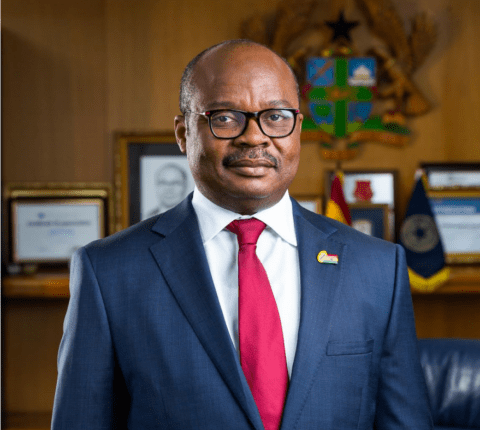
    Dr Ernest Addison

    Banking Sector Cleanup

    The banking sector in Ghana has undergone significant turmoil in recent years, with the BoG playing a central role in the cleanup process. While the decision to consolidate and recapitalize banks was necessary, the execution has been marred by inconsistencies and a lack of transparency. The collapse of several banks, including the infamous UT Bank and Capital Bank, exposed deep-rooted issues within the sector that the BoG failed to address in a timely manner.

    The central bank’s approach to banking supervision has often been reactive rather than preventive, leading to a loss of public confidence in the financial system. The incoming president must advocate for a more stringent regulatory framework that prioritizes transparency and accountability within the banking sector, ensuring that the BoG fulfills its role as a prudent regulator.

    Path Forward: Recommendations for the Incoming President

    To address the myriad issues stemming from the central bank’s mismanagement, the incoming president must embark on a multi-faceted approach:

    1. Reestablish Independence: The president should prioritize the independence of the BoG, ensuring that it operates free from political interference. This will restore confidence in its ability to manage inflation and maintain monetary stability.

    2. Strengthen Monetary Policy Framework: A comprehensive review of the monetary policy framework is essential. The BoG should adopt a more proactive approach to inflation targeting, utilizing a mix of interest rate adjustments and other monetary tools to stabilize prices.

    3. Enhance Reserve Management: The new administration should work with the BoG to develop a robust reserve management strategy that focuses on building a sustainable reserve buffer capable of withstanding economic shocks.

    4. Reform Banking Regulation: Strengthening regulatory oversight within the banking sector is crucial. The BoG must adopt a more transparent and accountable approach to banking supervision, ensuring that financial institutions adhere to best practices.

    5. Promote Fiscal Responsibility: The government must commit to fiscal discipline, reducing reliance on central bank financing and prioritizing sustainable economic policies that foster growth without exacerbating inflation.

    In conclusion, the Central Bank of Ghana has played a significant role in the country’s economic mismanagement, affecting inflation control, reserve management, and banking sector stability. The incoming president has a critical opportunity to rectify these issues and set Ghana on a path toward sustainable economic growth and stability. By prioritizing the independence of the BoG and implementing sound monetary and fiscal policies, Ghana can reclaim its status as a regional leader in economic development.
    No comments on The Central Bank of Ghana: A Catalyst for Economic Mismanagement
  • The Future of Free SHS in Ghana: Challenges and Considerations for President John Dramani Mahama

    December 29, 2024
    Governance

    By Lord Fiifi Quayle 

    The promise of quality Free Senior High School (SHS) system has emerged as a cornerstone of President John Dramani Mahama’s campaign. With a commitment to review and enhance the existing Free SHS program, Mahama’s administration faces the dual challenge of addressing current shortcomings while ensuring that the foundational principles of accessibility and equity in education are upheld.

    The Promise of Free SHS: A Brief Overview

    Introduced in 2017, the Free SHS policy was a groundbreaking initiative aimed at removing financial barriers to secondary education for Ghanaian students. The initiative allows students to attend public SHS without paying tuition fees, significantly increasing enrollment rates. By 2021, enrollment had surged, with over 1.2 million students benefitting from the program. However, while the numbers are promising, the quality of education and the sustainability of the program remain contentious issues.

    Challenges Facing the Free SHS Program

    1. Quality of Education: One of the most pressing challenges is the disparity in the quality of education across different regions and schools. For instance, students at Nkoranza Senior High School in the Bono East Region and Adu Gyamfi Senior High School in the Ashanti Region have expressed concerns about the academic environment. Reports indicate that students sometimes feel disengaged, with many opting to stay in dormitories rather than attend classes. Some students attend school only twice a term yet are still promoted to the next class. This lack of accountability and motivation has resulted in a situation where students leave school with minimal knowledge and skills, often relying on provided answers during final exams to achieve passing marks.

    2. Infrastructure Deficiencies: The rapid increase in student enrollment has put immense pressure on existing school infrastructure. Overcrowded classrooms, inadequate sanitation facilities, and insufficient dormitory spaces are common issues. These conditions not only hinder effective learning but also pose serious health risks.

    3. Funding and Sustainability: The financial sustainability of the Free SHS program is a growing concern. While the government has made strides in funding the initiative, the rising costs associated with increased enrollment and operational expenses necessitate a comprehensive funding strategy. Without adequate financial planning, the program risks becoming a burden on the national budget.

    4. Curriculum Relevance: There are ongoing discussions regarding the relevance of the current curriculum to the job market and the needs of the economy. The focus on traditional subjects may not adequately prepare students for the demands of a rapidly changing workforce.

    Suggestions for a Revitalized Free SHS Program

    As President Mahama embarks on his mission to review the Free SHS policy, several strategic recommendations can be considered to enhance its effectiveness:

    1. Strengthening Infrastructure: A targeted investment in school infrastructure is essential. The government should prioritize the construction of new classrooms, laboratories, and dormitories, particularly in underserved areas. Collaborating with private sector partners and international donors can also provide additional resources.

    2. Enhancing Teacher Training and Recruitment: To improve the quality of education, there must be a concerted effort to recruit and retain qualified teachers, particularly in rural areas. Implementing continuous professional development programs will ensure that educators are well-equipped to deliver high-quality instruction.

    3. Curriculum Review and Innovation: A comprehensive review of the SHS curriculum is necessary to align it with the skills and competencies required in today’s job market. Incorporating technical and vocational education and training (TVET) options can provide students with practical skills that enhance their employability.

    4. Community Engagement and Support: Engaging local communities in the educational process is crucial for fostering a culture of accountability and motivation among students. The government should actively promote the establishment of Parents-Teachers Associations (PTAs) in schools, creating a platform for parents, teachers, and community members to collaborate on solutions to motivate students. These associations can devise strategies to encourage academic diligence and implement punitive measures for students who neglect their studies. Such initiatives can help instill a sense of responsibility and commitment to education, ultimately enhancing student performance.

    5. Sustainable Funding Models: To ensure the long-term viability of the Free SHS program, exploring diverse funding sources is crucial. This could include public-private partnerships, grants, and innovative financing mechanisms that can alleviate the financial burden on the government.

    Conclusion: A Vision for the Future

    As President Mahama prepares to implement his vision for a quality Free SHS system, the path forward will require collaboration, innovation, and a steadfast commitment to educational equity. By addressing the existing challenges and embracing a holistic approach to reform, Ghana can transform its Free SHS program into a beacon of quality education that empowers the next generation and drives national development. The stakes are high, but with determined leadership and a clear strategy, Ghana can realize the full potential of its educational initiatives.

    We are all 1

    No comments on The Future of Free SHS in Ghana: Challenges and Considerations for President John Dramani Mahama
  • Our Cedi Conundrum: Prioritizing Production Over Cedi Strength 

    December 23, 2024
    Governance

    By Lord Fiifi Quayle

    As a developing nation, We find ourselves in a position, struggling with the implications of a strong cedi. While a robust currency can often be seen as a hallmark of economic health, for a low-income country with limited manufacturing capabilities, the pursuit of a strong cedi may not be the most prudent priority. Instead, we should focus on bolstering our production capacities to ensure that no Ghanaian is left behind in the quest for economic prosperity.

    The Allure of a Strong Cedi

    A strong cedi can bring several apparent benefits: it can lower the cost of imports, reduce inflationary pressures, and enhance the purchasing power of consumers. For a country like Ghana, heavily reliant on imported goods, a stronger currency could theoretically ease the burden of external debt and stabilize prices. However, these benefits must be weighed against the unique challenges that our economy faces.

    The Paradox of Strength

    The reality is that a strong cedi can have detrimental effects on our local industries. With little to no manufacturing base, Ghana is largely dependent on imports to meet the needs of its population. A strong cedi makes foreign goods cheaper, leading to an influx of imports that can stifle domestic production. Local manufacturers struggle to compete with the lower prices of imported goods, resulting in job losses and a further erosion of our already fragile manufacturing sector.

    Moreover, the strength of the cedi against major currencies like the dollar can exacerbate our trade deficit. As consumers flock to cheaper imports, local products may be relegated to the sidelines, hampering the growth of homegrown businesses. This creates a vicious cycle where the reliance on foreign goods stifles innovation, investment, and the development of a robust manufacturing base.

    Prioritizing Production

    Instead of fixating on the strength of the cedi, Ghana’s economic strategy should pivot towards enhancing production capabilities. By investing in local industries, we can create jobs, stimulate economic growth, and reduce our dependence on imports. This approach not only aligns with our developmental goals but also ensures that the benefits of economic growth are felt by all Ghanaians, rather than a select few.

    To achieve this, we must focus on several key areas:

    1. Investment in Infrastructure: Improving transportation, energy supply, and logistics will create an enabling environment for local manufacturers. Efficient infrastructure reduces production costs and enhances competitiveness.

    2. Access to Financing: Providing affordable credit to small and medium-sized enterprises (SMEs) can empower local entrepreneurs to invest in production. Financial institutions should be encouraged to develop tailored products that meet the needs of these businesses.

    3. Skill Development: Investing in education and vocational training will equip the workforce with the necessary skills to thrive in a competitive manufacturing landscape. This not only benefits individuals but also enhances the overall productivity of the economy.

    4. Support for Innovation: Encouraging research and development can lead to the creation of new products and services that cater to both local and international markets. Government incentives for innovation can spur growth in sectors where Ghana has a comparative advantage.

    Conclusion

    In conclusion, while a strong cedi may seem attractive, it is imperative that Ghana prioritizes production over currency strength. By focusing on building a robust manufacturing base, we can create a more resilient economy that empowers all Ghanaians. In our quest to navigate through the complexities of globalization and economic development, it is imperative to note that true prosperity lies not in the strength of our currency, but in the strength of our people and their capacity to produce. It is time for Ghana to invest in its future by fostering an environment where local production thrives, ensuring that no one is left behind in our collective pursuit of economic growth.

    GHANA MUST WORK AGAIN

    No comments on Our Cedi Conundrum: Prioritizing Production Over Cedi Strength 
  • Jean Mensa and the Electoral Commission’s Controversial Move in Ghana: A disturbing shift

    December 20, 2024
    Governance

    By Lord Fiifi Quayle

    At this critical crossroads, the actions of the Electoral Commission (EC), led by Jean Mensa, have sparked intense debate and concern among the populace. Their recent decision to re-collate results from nine constituencies, previously declared final, raises serious questions about the integrity of the electoral process and the motives behind this sudden shift.

    In 2020, (on SALL)the EC firmly stated that once results had been declared, they were final. This position was lauded by the NPP as a necessary step to uphold the sanctity of the electoral process and to ensure that the will of the people was respected. However, in the wake of the New Patriotic Party’s (NPP) significant losses in the recent elections, the EC’s current push to revisit these results appears to many as a troubling attempt to manipulate the political landscape.

    The timing of this re-collation is particularly suspicious. As the National Democratic Congress (NDC) gains ground and threatens to secure a two-thirds majority in Parliament, the EC’s actions are seen by critics as a desperate bid to stave off a political shift that could reshape Ghana’s governance. The notion that the EC would seek to alter the outcomes of already declared results raises alarm bells about its commitment to neutrality and fairness.

    During President Mahama’s campaign, he stressed to supporters the importance of transparency in the electoral process, urging them to pull out their phones and record proceedings after the elections—especially during the counting and collation of results, as well as the declaration of those results. This grassroots initiative has yielded a wealth of videos that showcase the electoral process in real-time, capturing the actions of returning officers and the atmosphere in polling stations across the country. Importantly, these recordings reveal no signs of intimidation or duress, directly contradicting the claims made by the EC and the NPP.

    President-elect John Dramani Mahama has voiced his apprehension regarding the EC’s decision, emphasizing the need for transparency and adherence to established electoral protocols. In a statement today, Mahama called on the EC to uphold its previous stance and respect the democratic process, warning that any attempt to manipulate the outcomes could lead to widespread disillusionment and unrest among the citizenry. His call to action resonates with many Ghanaians who are wary of any efforts to undermine the democratic principles that have been hard-won over the years.

    The implications of the EC’s decision are profound. If the re-collation of these results is perceived as an attempt to alter the balance of power in favor of the NPP, it could ignite tensions and erode public trust in the electoral system. Ghanaians have demonstrated a commitment to democracy, and any perceived infringement upon their right to vote and have their voices heard could lead to significant backlash.

    As we reflect on these developments, it is crucial for the Electoral Commission to act with integrity and transparency. The credibility of Ghana’s democratic processes hinges on the ability of its institutions to operate independently and fairly. The EC must remember that it is the guardian of the electoral process, not a player in the political game.

    The call for the re-collation of results from nine constituencies should be approached with caution and skepticism. The good people of Ghana deserve a transparent electoral process that respects their choices and upholds the principles of democracy. As this situation unfolds, it is imperative for all stakeholders to remain vigilant, ensuring that the voices of the citizens are heard and respected. Ghana’s future depends on it. The evidence captured by citizens during the election serves as a powerful reminder that the will of the people must prevail, and that democracy is best served when transparency and accountability are prioritized.

    No comments on Jean Mensa and the Electoral Commission’s Controversial Move in Ghana: A disturbing shift
  • John Mahama: Business as Usual or a Call to Action?

    December 16, 2024
    Governance

    By Lord Fiifi Quayle

    As the nation grapples with an economy in distress, the question looms large: will President Elect John Dramani Mahama’s return to power signify business as usual, or will it be a pivotal moment for decisive action? The challenges before us are daunting, and the public’s faith in government and politics is at an all-time low. In this climate, it is not just Mahama’s responsibility to restore trust and rebuild institutions; it is a collective duty that falls on all government appointees and members of parliament.

    Mahama’s previous tenure was marked by both achievements and setbacks, and while it is unrealistic to expect every promise made during campaigns to be fulfilled, the pressing issues at hand demand urgent attention. The electorate has invested their hopes and resources in the National Democratic Congress (NDC), and it is imperative that these investments do not go in vain. The people’s toils and faith in Mahama must translate into tangible results that address their everyday struggles.

    The current economic landscape is bleak, with rising unemployment, inflation, high exchange rates and a growing sense of disillusionment among citizens. Mahama’s leadership will be tested not only by his ability to navigate these challenges but also by his commitment to transparency and accountability. The electorate deserves to see a government that prioritizes their needs over political expediency.

    Moreover, the role of parliamentarians and appointees cannot be understated. They must work collaboratively to implement policies that foster economic recovery and social stability. This is a time for collective effort, where every member of the government must roll up their sleeves and contribute to a shared vision for the country’s future.

    The NDC has a unique opportunity to redefine its legacy. By focusing on the most pressing issues and demonstrating a genuine commitment to the welfare of the populace, Mahama and his team can rekindle hope and rebuild trust. The path forward will require courage, resilience, and a willingness to confront the hard truths that have plagued our nation.

    The choice is clear: will John Mahama embrace this moment as a chance to effect meaningful change, or will it be business as usual? The stakes are high, and the nation is watching closely. It is time for action, not just promises. The people have invested their trust in the NDC, and it is time for that trust to be honored with decisive and impactful governance.

    HOPE MUST BE RESTORED

    1 comment on John Mahama: Business as Usual or a Call to Action?
  • The President’s elect’s Transition Team; Resetting Ghana

    December 11, 2024
    Governance

    By Lord F Quayle

    In the ever-evolving landscape of Ghanaian politics, the transition from one administration to another is a critical juncture that sets the tone for governance and national development. As John Dramani Mahama prepares to assume the presidency once more, his transitional team, composed of seasoned politicians and experts, stands ready to navigate the complexities of this pivotal period. This team, led by Co-Chairperson Hon. Julius Debrah, embodies a wealth of experience and diverse expertise, positioning them as a formidable force for change.

    Hon. Julius Debrah: The Steady Hand

    As Co-Chairperson, Hon. Julius Debrah brings a steady hand to the transition process. His previous role as Chief of Staff under Mahama’s administration equips him with invaluable insights into the inner workings of government. Hon Debrah’s ability to foster collaboration among team members ensures that the transition is not only smooth but also strategic, setting a strong foundation for the incoming administration.

    Hon. Johnson Asiedu Nketia: The Political Strategist

    A veteran in Ghanaian politics, Hon. Johnson Asiedu Nketia, serves as a vital member of the team. Known for his astute political acumen, Asiedu Nketia’s experience as General Secretary of the National Democratic Congress (NDC) provides him with a deep understanding of party dynamics and electoral strategies. His insights will be crucial in addressing the challenges that lie ahead and in ensuring that the party remains united and focused.

    Hon. Fifi Fiavi Kwetey: The Economic Visionary

    With a background in finance and economic policy, Hon. Fifi Fiavi Kwetey adds a critical dimension to the team. His experience as Minister of Food and Agriculture and later as Minister of Transport allows him to approach economic challenges with a comprehensive perspective. Kwetey’s input will be invaluable in crafting policies that stimulate growth and address the pressing needs of Ghanaians.

    Dr. Callistus Mahama: The Administrative Expert

    Serving as the Secretary to the Transition Team, Dr. Callistus Mahama brings a wealth of administrative expertise. His meticulous approach to organization and governance ensures that the transition process is efficient and effective. Dr. Mahama’s background in public administration will be instrumental in establishing clear protocols and guidelines for the new administration.

    Dr. Valerie Sawyer: The Gender Advocate

    Dr. Valerie Sawyer’s presence on the team underscores the importance of gender inclusivity in governance. With her advocacy for women’s rights and social justice, Sawyer will ensure that the new administration prioritizes gender equity in its policies. Her insights will help foster an environment where all Ghanaians, regardless of gender, have a voice in the decision-making process.

    Prof. Kwamena Ahwoi: The Academic Insight

    A respected academic and political thinker, Prof. Kwamena Ahwoi brings a scholarly perspective to the team. His deep understanding of governance and public policy will aid in the formulation of evidence-based strategies that address the complexities of modern Ghana. Ahwoi’s contributions will ensure that the administration is grounded in research and best practices.

    Hon. Dr. Cassiel Ato Forson: The Health Advocate

    As a medical doctor and former Deputy Minister of Health, Hon. Dr. Cassiel Ato Forson is well-equipped to address the pressing health challenges facing the nation. His expertise will be crucial in shaping health policies that prioritize the well-being of Ghanaians, particularly in the wake of the COVID-19 pandemic and other public health concerns.

    Hon. Mahama Ayariga: The Youth Champion

    Hon. Mahama Ayariga’s commitment to youth empowerment and education makes him a vital member of the transition team. His advocacy for policies that promote youth engagement and development will ensure that the voices of young Ghanaians are heard and considered in the new administration’s agenda.

    Hon. Goosie Tanoh: The Legal Mind

    With extensive experience in law and governance, Hon. Goosie Tanoh serves as the team’s legal expert. His understanding of legal frameworks and constitutional matters will be essential in navigating any legal challenges that may arise during the transition, ensuring that all actions taken are within the bounds of the law.

    Dr. Edward Omane Boamah: The Communications Specialist

    Finally, Dr. Edward Omane Boamah, a communications expert, will play a crucial role in shaping the narrative of the new administration. His experience as Minister of Communications equips him with the skills to effectively convey the government’s policies and achievements to the public, fostering transparency and trust.

    A Unified Vision for Ghana

    Together, this diverse and experienced team represents a unified vision for Ghana’s future. As they embark on this transitional journey, their collective expertise will be instrumental in addressing the nation’s challenges and seizing opportunities for growth. With Mahama at the helm and this capable team by his side, there is hope for a brighter, more inclusive future for all Ghanaians. The transition is not merely a change of leadership; it is an opportunity to reaffirm the commitment to the values of democracy, accountability, and progress.

    HOPE HAS COME TO GHANA

    No comments on The President’s elect’s Transition Team; Resetting Ghana
  • Nana Akufo-Addo: Playing the Longest Con – Part 2: The Bawumia Deception

    November 21, 2024
    Governance

    By Lord Fiifi Quayle

    As we delve deeper into the political machinations of Nana Akufo-Addo, it becomes increasingly evident that his administration is not merely a solo act but a carefully orchestrated performance that involves key players, most notably Vice President Dr. Mahamudu Bawumia. While Bawumia has been heralded as the face of digitalization in Ghana, a closer inspection reveals that this narrative is less about innovation and more about political expediency—a tactic straight out of Akufo-Addo’s playbook of the long con.

    Since his ascension to the presidency, Nana Akufo-Addo has strategically positioned Bawumia as the vanguard of digital transformation in Ghana. The narrative being spun by the New Patriotic Party (NPP) is that Bawumia is the originator of digitalization in the country, a claim that is not only MISLEADING but also devoid of the context necessary to understand the broader picture. In truth, Bawumia’s role in the digitalization agenda has been exaggerated to serve the interests of the party and to mask the failures of the Akufo-Addo administration.

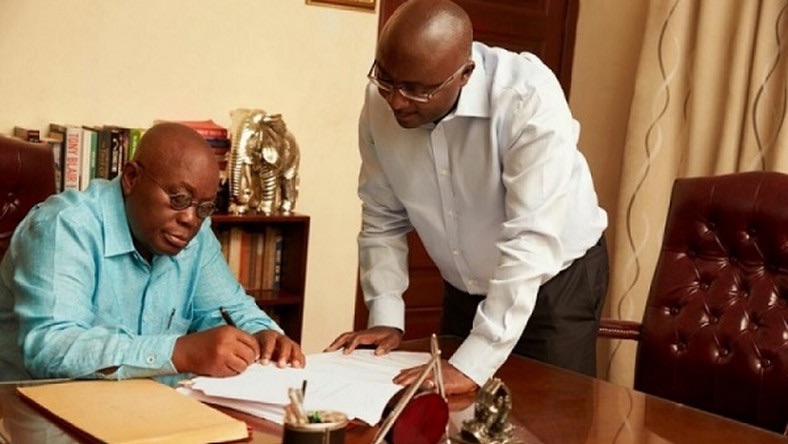
    King Nebu with his Apprentice

    It is essential to recognize that the groundwork for digital initiatives was laid by various stakeholders, including previous administrations, civil society organizations, etc. Bawumia, while a capable economist and politician, did not play a pivotal role in these foundational efforts. Instead, his appointment as the face of digitalization seems more like a calculated move by Akufo-Addo to shift the blame and deflect criticism from his administration’s shortcomings.

    The NPP’s concerted effort to rebrand Bawumia as the digitalization guru serves a dual purpose. Firstly, it seeks to bolster the Vice President’s image ahead of the upcoming elections, positioning him as a candidate who can carry the party’s legacy forward. Secondly, it aims to create a smokescreen for the various scandals and issues that have plagued Nana Akufo-Addo’s presidency—issues that have left many Ghanaians disillusioned and frustrated.

    As the narrative unfolds, it becomes apparent that Bawumia’s role in this grand scheme is far from altruistic. He has been groomed to serve as a political shield for Nana Akufo-Addo and his inner circle, absorbing the fallout from the administration’s questionable policies and actions. The Vice President’s public persona is being leveraged to distract from the pervasive corruption and nepotism that have characterized the current regime, allowing Akufo-Addo to continue his agenda of self-enrichment while Bawumia takes the heat.

    The irony is not lost on those who have followed this political saga. Bawumia, who once stood as a beacon of hope for many, is now being utilized as a pawn in a larger game—a game that prioritizes the interests of the Akufo-Addo family and their associates over the welfare of the Ghanaian people. The digitalization narrative is but a façade, a carefully crafted illusion designed to obscure the administration’s true intentions.

    With just about 2 weeks to elections, Ghanaians must remain vigilant against the tactics of manipulation and deceit that have become the hallmark of Nana Akufo-Addo’s administration. The time has come to question the authenticity of the narratives being presented and to hold leaders accountable for their actions. Bawumia may be portrayed as the champion of digitalization, but it is crucial to remember that he is part of a larger scheme—a scheme that has, thus far, served to enrich a select few at the expense of the many.

    The saga of Nana Akufo-Addo and Mahamudu Bawumia is a stark reminder of the complexities of Ghanaian politics. As the narrative of digitalization unfolds, it is imperative for the electorate to discern fact from fiction and to demand transparency and integrity from their leaders. The long con may be sophisticated, but the truth has a way of surfacing—one that Ghanaians must embrace as they navigate the turbulent waters of their political landscape. The future of Ghana depends on it.

    No comments on Nana Akufo-Addo: Playing the Longest Con – Part 2: The Bawumia Deception
  • Nana Akufo-Addo: Playing the Longest Con

    November 20, 2024
    Governance

    By Lord Fiifi Quayle

    In the annals of Ghanaian politics, few narratives are as convoluted and perplexing as that of Nana Addo Dankwa Akufo-Addo aka King Promise. To many, he is a symbol of perseverance and resilience, a man who has navigated the treacherous waters of political ambition for decades. However, a closer examination of his journey reveals a more troubling story—one that raises questions about his true intentions and the impact of his leadership on the people of Ghana.

    Nana Akufo-Addo’s presidential ambition began in earnest in the mid-1990s when he sought the leadership of the New Patriotic Party (NPP). His aspirations were thwarted by John Agyekum Kufuor, a defeat that would shape his political trajectory. Following this setback, Akufo-Addo opted to leave Ghana for the United Kingdom, ostensibly to regroup and strategize. During this time, his contributions to the party were minimal, a sentiment echoed by party stalwart Kennedy Ohene Agyapong, who has been vocal about Akufo-Addo’s lack of commitment during crucial periods.

    After the NPP’s loss in the 2008 elections, which many attributed to internal divisions and discontent with Kufuor’s administration, Akufo-Addo again retreated to the UK. It was during this period that he and his family seemingly orchestrated a plan to return to power—not as agents of change for the Ghanaian people, but as architects of a scheme to enrich themselves and their inner circle. This raises the question: was his time abroad a period of reflection and growth, or a calculated move to position himself for a future comeback?

    Upon his return to Ghana and subsequent election as president in 2016, Akufo-Addo presented himself as a champion of the people, promising to address the myriad challenges facing the nation. However, as his tenure progressed, it became increasingly clear that his administration was more focused on consolidating power and wealth than on genuinely serving the populace. The “Ghana Beyond Aid” mantra, which was supposed to signify a new era of self-reliance, has been overshadowed by allegations of corruption and nepotism that have plagued his government.

    Critics argue that Akufo-Addo’s leadership style is reminiscent of a long con—an elaborate ruse designed to mislead the very people he vowed to uplift. From the controversial handling of public funds to the questionable appointments of family and friends to key government positions, the evidence suggests a pattern of behavior that prioritizes personal gain over public service. This has led to widespread disillusionment among Ghanaians who once placed their hopes in his promises of change.

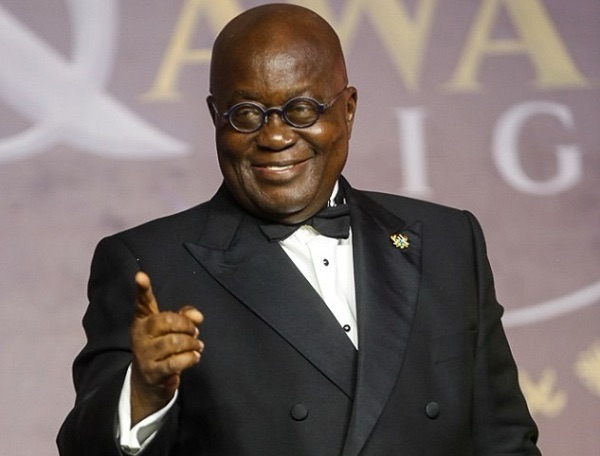
    The Most wicked King (King Nebu)

    Moreover, the discontent within the NPP itself, particularly regarding the perceived favoritism towards certain factions within the party, has further alienated many of his supporters. The fallout from his administration’s policies has left a bitter taste in the mouths of those who expected more from a leader with such a storied political background.

    As we reflect on Nana Akufo-Addo’s journey from a young politician to the highest office in the land, it is essential to scrutinize the motivations behind his actions. While he may have played the long game, the question remains: at what cost to the people of Ghana? The time has come for a reckoning, one that holds leaders accountable for their promises and their performance. Ghanaians deserve a leader who prioritizes their needs over personal ambition, and it is clear that the current trajectory under Akufo-Addo’s administration is not one that fosters trust or hope for the future.

    Nana Akufo-Addo’s political saga serves as a cautionary tale about the perils of ambition unchecked by genuine concern for the people. As Ghana navigates its path forward, it is imperative that citizens remain vigilant, demanding accountability and integrity from those in power. The era of playing the longest con must come to an end, and the time for true leadership is now.

    No comments on Nana Akufo-Addo: Playing the Longest Con
  • Discrediting the Claims Against Speaker Bagbin; Response to Martin A. B. K. Amidu

    November 13, 2024
    Governance

    By Lord Fiifi Quayle, Richeal A.(LLM) & Associates

    In a recent opinion piece, Martin A. B. K. Amidu has launched a scathing critique of Speaker Alban Sumana Kingsford Bagbin, accusing him of disobedience towards the Supreme Court and suggesting that this defiance will leave long-lasting scars on Ghana’s parliamentary democracy. While Amidu’s sentiments may resonate with some, a closer examination of his assertions reveals a narrative steeped in political opportunism rather than a balanced analysis of the facts.

    Misinterpretation of Judicial Authority

    First and foremost, Amidu’s assertion that Speaker Bagbin’s actions constitute a blatant disregard for the Supreme Court’s orders overlooks the complexities inherent in the legislative process. The role of the Speaker is not merely to act as a puppet of the judiciary but to ensure that parliamentary proceedings reflect the will of the people and the Constitution. The Speaker’s interpretation of Article 97 (1)(g) and (h) was grounded in a legitimate understanding of parliamentary procedure, and his actions were aimed at preserving the integrity of the legislative process rather than undermining it.

    Amidu claims that the Speaker should have complied with the Supreme Court’s orders without question, yet this perspective fails to acknowledge the principle of checks and balances that underpins our democracy. It is crucial to recognize that the judiciary and the legislature must engage in a dialogue that respects their respective roles, rather than fostering an adversarial relationship that Amidu seems to advocate.

    The Question of Timing and Context

    Amidu’s critique is further weakened by his failure to consider the broader context of the political landscape in Ghana. The events of October and November 2024 were not merely isolated incidents but part of a larger struggle for power and representation in a deeply divided Parliament. By framing Speaker Bagbin’s actions as a personal affront to the judiciary, Amidu ignores the legitimate concerns raised by the Minority about the representation and rights of their constituents.

    Moreover, his claim that the Speaker’s refusal to comply with the Court’s orders has disrupted parliamentary business is an oversimplification. The political climate in Ghana has been fraught with tension, and it is disingenuous to place the blame solely on the Speaker. The interplay between the NDC and NPP has historically been contentious, and attributing the dysfunction solely to Bagbin’s actions disregards the systemic issues that have long plagued our political landscape.

    The Legacy of Leadership

    Amidu’s assertion that Speaker Bagbin has squandered valuable parliamentary time and failed to act with maturity is a striking contradiction. As a seasoned politician with decades of experience, Bagbin has demonstrated a commitment to his constituents and the democratic process. His willingness to stand firm on issues of principle, even in the face of significant pressure, is a hallmark of true leadership.

    Rather than portraying Bagbin as a figure of ridicule, we should recognize his efforts to navigate the murky waters of Ghanaian politics. His actions, though controversial, stem from a desire to uphold the values of democracy and representation. It is essential for young politicians to see that leadership often requires making difficult choices, particularly in a landscape fraught with political opportunism.

    A Call for Constructive Dialogue

    Whiles Amidu’s critique of Speaker Bagbin may appeal to those seeking to vilify a political opponent, it ultimately falls short of providing a constructive analysis of the situation. Instead of perpetuating a narrative of division and conflict, we should encourage dialogue and collaboration among all political actors. The future of Ghana’s democracy depends not on discrediting individuals but on fostering a political culture that values cooperation, respect for the rule of law, and the voices of all citizens.

    It is time for all political leaders, including Amidu, to rise above opportunism and work towards a united Ghana, where the principles of democracy are upheld, and the interests of the people take precedence over personal ambitions. Only then can we create a legacy that the youth can truly emulate and learn from.

    GHANA MUST WORK AGAIN

    No comments on Discrediting the Claims Against Speaker Bagbin; Response to Martin A. B. K. Amidu
  • Creative Connect With John Mahama

    November 12, 2024
    Governance

    By Lord Fiifi Quayle

    Kumasi, Ghana – The Great Hall of the Kwame Nkrumah University of Science and Technology (KNUST) was abuzz with creativity and inspiration on 12 November 2024, as former President John Mahama headlined the “Creative Connect” program spearheaded by Kofi Okyere Darko and key stakeholders from the creative arts industry. The event brought together a diverse array of talents, including renowned figures like Amandzeba, Rex Omar, Wayoosi, Ola Micheal, Kala Kumasi, Jak Alolome, Bessa Simons, and many others, both established and emerging.

    The program commenced with Parliamentary Candidate Baba Sadiq delivering a poignant opening address. He lamented the current government’s apparent neglect of the creative arts sector, highlighting the confusion surrounding a newly launched streaming app that was mischaracterized as a creative management platform.

    Sadiq expressed concern over the state of Kumawood, stating, “Kumawood is now dead,” and criticized the government’s failure to understand the current distribution systems. He emphasized that under the Mahama administration, the National Theatre would be rehabilitated, alongside the establishment of a new National Theatre in Kumasi. He took a swipe at the current government for their unfulfilled promise of building ten large sitting theatres, asserting, “Not even one has been built.”

    Sadiq also touched on the critical need for funding in the creative arts, promising that the creative arts fund would be revitalized under Mahama’s leadership. He highlighted the NDC’s role in establishing copyright laws that would be reviewed to better support artists, as well as the introduction of a broadcasting bill prioritizing local content.

    Next to speak was Abeiku Santana, who praised the Tourism Act of 2011 (817), an initiative from the NDC that catalyzed a boom in Ghana’s tourism industry. He noted that under Mahama’s administration, citizens from 52 countries could travel to Ghana without visas. Santana raised concerns about the management of tourism levies, questioning the absence of a Tourism Development Fund and the potential misappropriation of funds. He emphasized the need to harness the Ashanti region’s rich creative potential, citing attractions like Ahwia, Sokoban, Ntonso, and Bonwire. Santana proposed initiatives such as a Pan-African month for each region, film festivals, fashion shows, and food fairs, along with tax incentives for hotels and restaurants.

    The highlight of the event was John Mahama’s address, where he candidly discussed the downturn of Ghana’s creative arts sector and its ripple effects on other industries, including sports. Mahama assured attendees that these challenges would be addressed, promising the operationalization of the creative arts fund and the establishment of a film village to reduce production costs for filmmakers. He reiterated the commitment to rehabilitating the National Theatre and constructing a second National Theatre in Kumasi, recognizing the city as the heart of Ghana’s arts scene.

    Mahama further proposed a budgetary allocation for the creative arts and announced plans for a digital television station dedicated to local content. He pledged to rehabilitate the Ghallywood structure on Aflao Road to nurture a new generation of artists and actors. The “Blackstar Experience,” a multifaceted project encompassing fashion, film, festivals, tourism fairs, and more, was introduced as a means to bolster the creative industry.

    In closing, Mahama proposed the establishment of an annual dialogue for the creative arts, committing to personally participate to ensure progress. He emphasized the immense potential of the tourism and creative arts sectors to generate significant revenue for Ghana, asserting that they should be prioritized in national development plans.

    As the event concluded, it was clear that the vision for revitalizing Ghana’s creative arts industry is essential for the nation’s cultural and economic growth.

    THERE IS STILL HOPE FOR GHANA

    No comments on Creative Connect With John Mahama
Previous Page
1 … 7 8 9 10 11 … 13
Next Page

Blog at WordPress.com.

Lord Fiifi Quayle

Power. Dignity. Africa. Essays and articles by Lord Fiifi Quayle on politics, economy, and the African condition.

  • About
  • Pictures
 

Loading Comments...
 

    • Subscribe Subscribed
      • Lord Fiifi Quayle
      • Already have a WordPress.com account? Log in now.
      • Lord Fiifi Quayle
      • Subscribe Subscribed
      • Sign up
      • Log in
      • Report this content
      • View site in Reader
      • Manage subscriptions
      • Collapse this bar