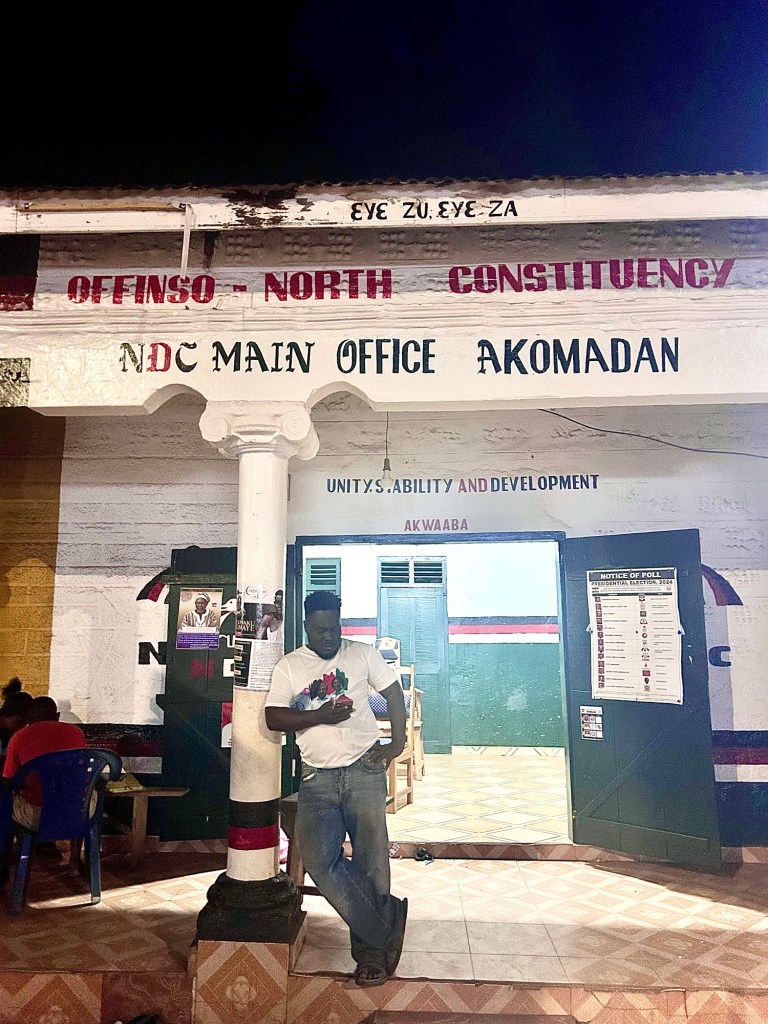
Sremanu, Ewoekope, Have and its environs. Most of these villages have only walk paths and the only way to get there is through bikes or foot.
It was an interesting experience
No comments on Campaign 2024 Diaries
Sremanu, Ewoekope, Have and its environs. Most of these villages have only walk paths and the only way to get there is through bikes or foot.
It was an interesting experience
Your Excellency the Vice President of The Republic of Ghana,
Senior Government and Presidency Officials
Ladies and Gentlemen.
Friends from the media,
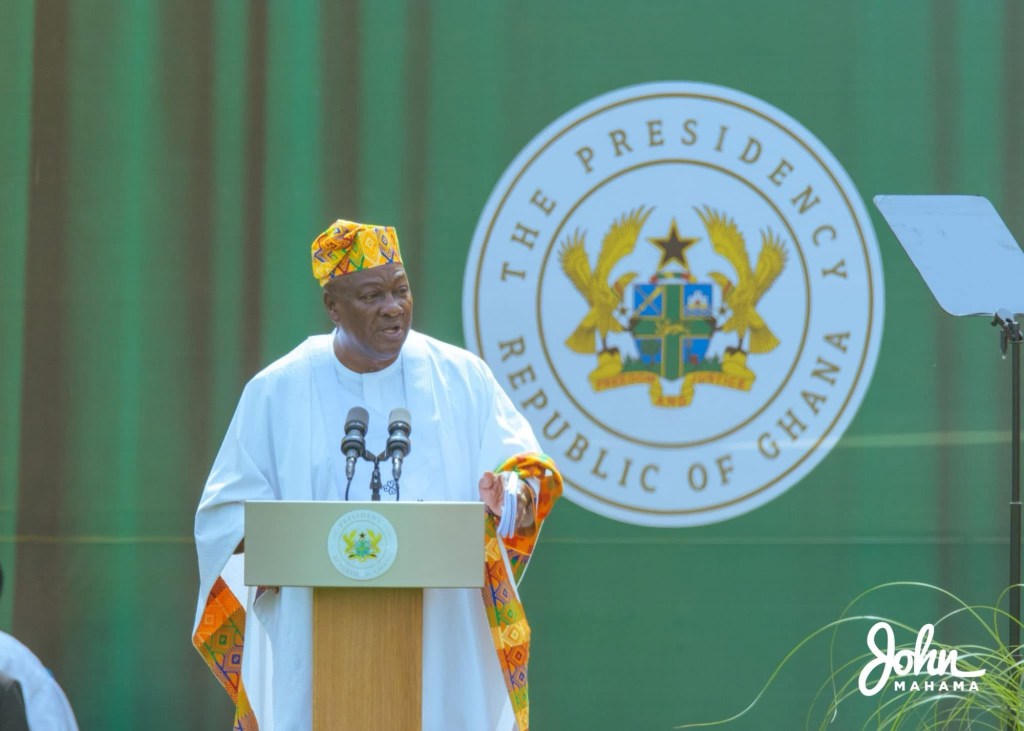
This moment marks a critical step in restoring trust in our nation’s economic governance as we formally swear in Dr. Johnson Pandit Kwesi Asiama as Governor and Dr. Zakari Mumuni as First Deputy Governor of the Bank of Ghana.
These appointments are not merely routine exercises to satisfy Article 183(4) of the Constitution. They constitute a deliberate commitment to the Bank of Ghana’s core mandate, outlined under Article 183(1-3)—to regulate currency, ensure monetary stability, and promote sustainable economic development in Ghana.
Indeed, in full adherence to section 17(1) of the Bank of Ghana Act, 2002 (Act 612), these appointments uphold the legal stipulation that Governor and Deputy Governors of the Bank of Ghana be individuals of demonstrable financial and banking experience.
To this effect, the choice of Dr. Asiama and Dr. Mumuni as governor and deputy respectively, is a deliberate affirmation of our unshakable commitment to professionalism, integrity and proven competence as the sole criteria for high office.
A distinguished economist with a PhD from the University of Southampton, Dr. Asiama’s ascent to this office is a natural progression from his long and dedicated service to the Bank of Ghana. With over two decades at the institution—rising through the ranks from banking supervision and financial markets to leading research and policy implementation—he has played a pivotal role in shaping Ghana’s monetary policy and our efforts for financial stability.
As Deputy Governor, he was instrumental in controlling inflation, stabilizing the currency, and strengthening regulatory oversight. His deep expertise in banking supervision, risk management, and digital finance positions him as the right leader at this critical time.
Ghana’s financial sector is in crisis, and the task ahead demands experience, foresight, and decisive leadership. With Dr. Asiama heading the Bank of Ghana, I am confident that we will rebuild trust, restore stability, and put our economy on a path of sustained growth. I entrust him with this responsibility, knowing he will serve with diligence and excellence.
Dr. Mumuni’s appointment is a recognition of his exceptional expertise, dedication, and distinguished service in banking, financial markets, and economic policy. He also has over two decades of experience at the Bank of Ghana, playing vital roles in shaping monetary policy and strengthening financial stability. His academic credentials, including a Ph.D. from the University of Nottingham and an MPhil from the University of Ghana, reflect his deep understanding of the complexities of our economy.
As First Deputy Governor, he will be a key pillar in supporting the Governor to implement sound policies, reinforce regulatory oversight, and navigate the challenges ahead. His experience and analytical rigor will be crucial in ensuring that the Bank remains steadfast in its mandate to maintain price stability, safeguard the financial sector, and drive sustainable growth.
Together, Dr. Asiama and Dr. Mumuni bring the leadership, expertise, and vision needed to restore confidence in our economy.
To you, Mr. Governor and Deputy Governor, in discharging your mandate, you must go beyond mere technical considerations and act in full recognition that every statistic, every movement on a chart, and every shift in an index is more than just data—it is the pulse of an economy, a measure of resilience or distress.
A dip in confidence indices may signal businesses on a brink, evolving market conditions, or changing household prospects. Behind these numbers are real human stories—dreams either nurtured or shattered—demanding not just your highly extolled analytical expertise, but empathy and foresight that acknowledge the profound human consequences of every decision.
Our recent banking history has shown us the cost of neglecting this truth.
During the supposed banking sector cleanup exercise, thousands of jobs were lost and lives disrupted because decisions were made with a narrow focus rather than considerations of the human impact.
The Bank of Ghana had the opportunity to salvage some institutions, to protect livelihoods while ensuring stability, but instead, an approach that ignored human consequences prevailed.
The test of your patriotism in this solemn duty of economic governance lies in learning from these missteps—recognizing that policies must not only enforce regulations but also safeguard the futures that depend on them.
The lessons of the past remind us of the dangers of fiscal recklessness and the lasting harm it can inflict on an economy.
When governments resort to unsustainable consumption expenditure, financed by excessive and unregulated printing of money, the consequences are severe— from spiraling inflation, erosion of incomes to driving millions into poverty. Such actions, not only weaken public confidence in financial institutions but also threaten long-term stability.
To safeguard our economy from these risks, we must uphold responsible fiscal management, strict adherence to legal and regulatory frameworks and protect the independence of the Bank of Ghana.
As President, I am committed to ensuring that the Central Bank operates free from political interference, guided solely by its mandate. This is the path to building a resilient economy—one where policies are driven by discipline, foresight, and the best interests of the Ghanaian people.
I encourage you to work closely with key institutions, including the Ministry of Finance, Parliament and the financial industry while maintaining the independence your mandate requires.
On behalf of the people of Ghana, I extend my heartfelt congratulations to you both. I am confident in your expertise, vision and integrity to discharge your mandate with excellence.
Thank you.
By Lord Fiifi Quayle
As a Ghanaian who has weathered the storm of economic mismanagement, I find it crucial to address the backlash I received following my article on February 17, 2025, regarding the 2028 elections. Many of my fellow comrades expressed concerns about the timing of such discussions, suggesting it was premature to focus on candidates and strategies for an election that is still years away. However, I stand firm in my belief that in the realm of politics, as in any battle, intentionality is paramount. If we are not proactive in our approach, we risk losing before the fight even begins.

The recent return of Kennedy Agyapong from abroad and his swift engagement in Kumasi serves as a stark reminder of the urgency with which our opponents are operating. Agyapong, along with others like Dr Mahamudu Bawumia and Bryan Acheampong, are already laying the groundwork for their campaigns. We must not underestimate the political acumen of the New Patriotic Party (NPP) as they prepare for a presidential election that could be more competitive than we anticipate.
With a president who is committed to serving only a single term, the landscape is ripe for strategic maneuvering. The current economic climate is far from robust, and projections suggest that the hardships will persist over the next four years. It is imperative that we recognize this reality: when the economy falters, citizens become restless, and their reactions can significantly sway electoral outcomes.
As members of the National Democratic Congress (NDC), we have a responsibility to correct the missteps of our previous administration. We must be intentional in our efforts to prevent the NPP from regaining control of the economy, they have become vindictive and cancerous to our Country. Our goal should not be to vilify the NPP but to push them for a better leadership that prioritizes the well-being of Ghanaians. We need a party that can rise above personal grievances and focus on collective progress.
The next decade is critical for our nation. If the NDC is to retain power, we must implement the necessary reforms to ensure that we are ready to lead effectively. This means being strategic about our candidates and our messaging, ensuring that we present a united front that resonates with the electorate. We must cultivate leaders who genuinely have Ghana at heart—leaders who can restore hope and confidence in our political system.
The time to act is now. We cannot afford to be complacent or reactive. Instead, we must be proactive, preparing our party for the challenges ahead. This entails engaging with our grassroots, understanding the concerns of our citizens, and building on his excellency John Dramani Mahama’s vision for a better Ghana. We must lay a foundation that allows us to emerge stronger and more united as we approach the 2028 elections.
In conclusion, let us not misconstrue my call for intentionality as a sign of desperation or impatience. Rather, it is a clarion call for vigilance and preparedness. We must be ready to face the NPP not just as a political party but as a formidable opponent that will stop at nothing to reclaim power. By being intentional in our actions today, we can secure a brighter future for Ghana and ensure that the NDC remains at the forefront of our nation’s progress. Together, let us commit to this cause and work tirelessly to reclaim our destiny.
GHANA CANNOT AFFORD ANY COMPLACENCY
By Lord Fiifi Quayle
Though the 2028 presidential elections may seem distant, the political dynamics are already taking shape, and now is the time for strategic thinking and positioning. Though the National Democratic Congress (NDC) has not yet decided on its candidates, it’s essential to evaluate the potential contenders against the formidable contenders from the New Patriotic Party (NPP): Kennedy Agyapong and Bryan Acheampong. While there may be other aspirants for the NPP ticket, Agyapong and Acheampong are emerging as strong frontrunners, and the NDC must be ready to counter their appeal.
The NPP Contenders: Agyapong and Acheampong
Kennedy Agyapong, known for his bold and often controversial style, has a significant following within the NPP. His charisma and ability to connect with the grassroots make him a formidable candidate. On the other hand, Bryan Acheampong brings a technocratic approach, with a focus on agricultural and economic management that resonates with many voters. Both candidates have the potential to galvanize support, making it crucial for the NDC to present equally compelling alternatives.
However, it is important to note that a potential return of former Vice President Dr. Mahamudu Bawumia could be a misstep for the NPP. His previous tenure has left some voters disenchanted, and reviving his candidacy may not yield the desired results. The NPP must tread carefully to avoid what could be perceived as political suicide.
The NDC’s Strong Contenders
In this context, the NDC boasts a lineup of candidates who are not only strategic but also deeply connected to the electorate.
Dr. Omane Boamah: A Steady Hand in Defense
Currently serving as the Minister of Defence, Dr. Omane Boamah has demonstrated his capability in a critical role during a time of national security challenges. His experience in governance and communication makes him a strong candidate who can articulate a vision of stability and security for the nation.
Asiedu Nketia: The Architect of Victory
Asiedu Nketia, the Chairman of the NDC, played a pivotal role in the party’s success in the 2024 elections. His strategic leadership and deep understanding of party dynamics have positioned him as a key figure in shaping the NDC’s future. Nketia’s ability to unite various factions within the party and mobilize grassroots support will be invaluable as the NDC prepares for the next election cycle.
Julius Debrah: The Grassroots Champion
Julius Debrah, a seasoned political figure and the current Chief of Staff, is known for his strong connections to grassroots organizations, including his role as the patron of the NDC’s cyber army unit. His ability to engage with supporters and navigate the complexities of party politics cannot be underestimated. Debrah’s experience and strategic insight make him a formidable candidate who can effectively counter the narratives put forth by the NPP.
Awuah Darko: The Silent Strategist
Awuah Darko may not be the loudest voice in the room, but his diligent work behind the scenes positions him as a dynamic leader within the NDC. His commitment to grassroots initiatives and community engagement has garnered respect and loyalty from party members. Darko’s ability to connect with the youth and his focus on innovative solutions will resonate with voters seeking fresh leadership.
Preparing for the Future
As the 2028 elections draw nearer, it is crucial for the NDC to leverage its strengths and present a united front against the NPP’s Kennedy Agyapong and Bryan Acheampong. The NDC candidates—Dr. Omane Boamah, Asiedu Nketia, Julius Debrah, and Awuah Darko—each bring unique qualities that can appeal to a broad spectrum of voters.
While Agyapong and Acheampong may seem formidable, the NDC’s strategic positioning and deep-rooted connections to the electorate can turn the tide in their favor. The time to strategize, build alliances, and engage with the grassroots is now. The 2028 presidential race is not just about individual candidates; it’s about the vision and direction for Ghana’s future. As the political landscape evolves, the NDC must remain vigilant and proactive; hold dear the grassroots, respect the good people of Ghana and lead us toward a brighter tomorrow.
MAY GOD BLESS GHANA
By Lord Fiifi Quayle
In the landscape of Ghanaian politics, few figures have sparked as much debate—both admiration and criticism—as Ken Ofori-Atta, the former Finance Minister under President Nana Akufo-Addo. Instantly recognizable in his signature all-white senator attire and known for his frequent biblical quotations, Ofori-Atta’s journey from a financial powerhouse to a political outcast is a story filled with religion, ambition, controversy, and a staggering fall from grace.

Ofori-Atta, a co-founder of the investment firm Databank, was appointed Minister of Finance in 2017, swiftly establishing himself as a key player in the Akufo-Addo administration. His influence was undeniable; at times, it seemed he wielded more power than even the Vice President, Mahamudu Bawumia. Reports indicate that Ofori-Atta was not hesitant to exert this power, allegedly silencing dissent during cabinet meetings, including one memorable session at Peduase Lodge where he reportedly stifled the Vice President’s input.
However, his rise was not without challenges. Ofori-Atta’s leadership style, often perceived as aloof and dismissive towards party loyalists, ultimately led to his downfall. In a remarkable show of discontent, over 80 members of parliament from his own New Patriotic Party (NPP) joined forces to demand his removal. Their protests were not merely about policy disagreements but stemmed from a deeper frustration over Ofori-Atta’s apparent disregard for party unity and collaboration.
Backed by his cousin, President Akufo-Addo, all those that fell out with Ofori-Atta were heavily dealt with. The fallout was particularly painful for Osei Kyei Mensah Bonsu, who lost his position as leader of government business in the wake of these events. This political reshuffling underscored a crucial lesson: power in Ghana’s political arena is fragile, and loyalty can quickly turn into betrayal.
In a dramatic turn of events, reports emerged that Ofori-Atta’s house was raided by security forces just yesterday. Initially, there were whispers that this action was linked to the office of the Special Prosecutor, raising concerns about potential criminal charges. However, the Special Prosecutor’s office swiftly refuted these claims, branding Ofori-Atta a fugitive and insisting that he must return to Ghana to respond to the allegations against him.
The charges leveled against Ofori-Atta are serious and wide-ranging, revealing a troubling pattern of governance. They include:
1. Contractual Arrangements: His involvement in contracts between Strategic Mobilization Ghana Limited and the Ghana Revenue Authority aimed at enhancing revenue assurance in the downstream petroleum sector, upstream petroleum production, and the minerals and metals resources value chain.
2. Termination of Contracts: The controversial termination of a contract for the Distribution, Loss Reduction, and Associated Network Improvement Project between the Electricity Company of Ghana Limited and Beijing Xiao Cheng Technology (BXC).
3. Procurement Issues: Questions surrounding the procurement of contractors and materials, particularly regarding activities and payments related to the National Cathedral project.
4. Ambulance Procurement: Allegations concerning a contract awarded by the Ministry of Health (originally initiated by the Ministry for Special Development Initiatives) to Service Ghana Auto Group Limited for the purchase and maintenance of 307 Mercedes-Benz Sprinter 305 CDI ambulances for the National Ambulance Service.
5. Tax Refund Account Utilization: Allegations regarding payments and the utilization of the Tax Refund Account of the Ghana Revenue Authority.
These charges suggest a troubling undercurrent during his tenure—one that raises serious questions about financial management and potential corruption. Ofori-Atta’s legacy as Finance Minister may now be overshadowed by these allegations, eclipsing the economic policies he once championed.
His frequent biblical references, which were once seen as a source of moral authority, now feel hollow in light of the growing scrutiny. The irony is palpable; a man who once preached fiscal responsibility and integrity now finds himself ensnared in a complex web of political and legal challenges.
As we grapple with our own economic difficulties, the fate of Ken Ofori-Atta serves as a cautionary tale about the dangers of unchecked power and the importance of accountability. His story reflects not only the complexities of Ghanaian politics but also the universal truth that those who soar too high may find themselves plummeting just as swiftly.
In the weeks and months ahead, as Ofori-Atta confronts his legal challenges and the repercussions of his political actions, one can only speculate whether he will emerge from this turmoil as a reformed individual or remain a stark reminder of ambition gone awry. For now, the once-mighty Finance Minister stands as a figure in exile, both from power and from the trust of those he once associated with.
GHANA IS WORKING
By Lord Fiifi Quayle
As the New Patriotic Party (NPP) navigates through a tumultuous political landscape in the lead-up to the next general elections, the spotlight has turned towards Afenyo Markins, a figure whose recent maneuvers suggest he is positioning himself as a serious contender for the party’s flagbearership. With the party still grappling with internal divisions and a lack of a cohesive strategy, Markins’ approach may offer him a path to prominence that could rival established figures like Dr. Mahamudu Bawumia and Kennedy Agyapong.
Afenyo Markins, known for his vibrant oratory and often controversial statements, has adopted a strategy that seems to prioritize visibility over traditional political decorum. His mantra of becoming popular, regardless of the medium—whether through commendable policies or sensational remarks—reflects a broader understanding of contemporary political dynamics. In a time where social media amplifies voices, Markins’ willingness to engage in what some might call “gibberish talking” could be a calculated move to remain relevant in the public eye.
The NPP is currently at a crossroads. With the party’s internal factions still at odds and the specter of disunity looming large, Markins’ approach might resonate with a base that is hungry for a fresh narrative. In a landscape where authenticity is prized, such candidness could be a double-edged sword, but it also positions him as a relatable figure among the electorate.
However, it is crucial for Bawumia and Agyapong to remain vigilant. Both candidates have demonstrated substantial commitment and have built significant political capital within the party. Bawumia, with his economic expertise and experience in governance, and Agyapong, known for his grassroots mobilization and fiery rhetoric, represent formidable challenges to anyone looking to disrupt the status quo. Their established bases and proven track records make them serious contenders who cannot be easily overshadowed.
Moreover, Alan Kyerematen’s ambiguous position adds another layer of complexity to the race. His indecision could either serve to consolidate support behind a single candidate or fracture the party further, potentially benefiting a dark horse like Markins. The NPP must navigate these waters carefully, as the stakes are high and the consequences of miscalculation could be dire.
As Markins continues to articulate his vision, it is essential for the NPP leadership to reflect on the implications of his rising profile. While his tactics may attract attention, they also risk alienating traditional party loyalists who value policy depth over populist rhetoric. The challenge for Bawumia and Agyapong will be to engage with the electorate in a manner that reinforces their strengths while countering the allure of Markins’ approach.
Afenyo Markins is emerging as an unexpected player in the NPP’s internal contest for leadership. His strategy of gaining popularity through bold statements and a willingness to challenge norms may resonate with a segment of the electorate. However, Bawumia and Agyapong must not underestimate their own appeal and the loyalty they have cultivated over the years. As the party seeks to unify and strategize for a brighter future, the dynamics of this race will undoubtedly shape the NPP’s trajectory in the coming months. The question remains: will Afenyo Markins’ gambit pay off, or will the seasoned contenders maintain their grip on the party’s direction? Only time will tell.

By Lord Fiifi Quayle
As an ardent member of the National Democratic Congress (NDC), I write this article with a heavy heart and fierce determination. Having faced death three times during our campaign, a testament to the sacrifices we make for our party and our nation, I cannot remain silent in the face of the current challenges we face in Parliament. It is imperative that we reflect on our responsibilities and the mandate entrusted to us by the Ghanaian people.
We find ourselves in a precarious position, where the New Patriotic Party (NPP) has, time and again, overridden our efforts in Parliament, allowing them to dictate the terms of governance. This is not merely a political inconvenience; it is a fundamental threat to the democratic principles we hold dear. We must not forget where we are coming from and the struggles of yesteryears. This new government was born out of a desire for justice, equity, and the empowerment of the Ghanaian people. We cannot allow ourselves to become passive observers in a system that demands our active participation.
Democracy is not a spectator sport. It requires engagement, vigilance, and a commitment to uphold the interests of our constituents. We must not sit idly by while the NPP attempts to roll back the progress we have made as a nation. The people of Ghana entrusted us with their votes, believing that we would be their voice in Parliament. It is our duty to ensure that their interests are represented and protected.
The recent actions of Annoh Dompreh and his cohorts, who disrupted the vetting process yesterday, are nothing short of a shame. Such antics undermine the integrity of our parliamentary proceedings and reveal a lack of respect for the democratic process. We must not let these tactics go unchallenged. It is our responsibility to stand firm against such disruptions and to demand accountability from those who seek to undermine the very institutions that support our democracy.
I call upon my fellow NDC parliamentarians to rise to the occasion. We must stand united in our resolve to challenge the NPP’s overreach and defend the democratic values that underpin our governance. This is not just about party politics; it is about the very fabric of our democracy and the future of our nation. We cannot allow ourselves to be undermined by complacency or disunity.
Moreover, we must remain vigilant against the potential infiltration of our ranks by those with conflicting interests. The presence of moles in crucial positions within state agencies poses a significant threat to our objectives. We must be wary of individuals who do not share our vision for a prosperous and equitable Ghana. It is essential to guard our interests with unwavering commitment and to ensure that those in positions of influence align with our principles and goals.
Take, for instance, the case of Fiifi Boafo. His continued presence in a position of influence raises serious concerns about our ability to effectively advocate for the interests of the NDC and the Ghanaian people. We must ask ourselves: Is he truly serving our best interests? If not, we must take decisive action to ensure that our leadership reflects our values and priorities.
Furthermore, the leader of the minority must sit up and get serious. We cannot afford to be complacent or reactive in this critical period. It is essential for our leadership to demonstrate the strength and resolve necessary to navigate these turbulent waters. We need a leader who is proactive, strategic, and unyielding in the face of adversity.
Let us not forget the sacrifices made by countless Ghanaians who fought for the democracy we enjoy today. The NDC must not falter in its duty to the people. We are at a critical juncture, and the time for action is now. We must strengthen our resolve, stand firm against the NPP’s attempts to undermine our efforts, and ensure that we honor the mandate given to us by the Ghanaian people. Together, let us reclaim our voice, protect our interests, and build a brighter future for all Ghanaians. It is time to rise, to act, and to make our mark on history.
Ghana will work again
By Lord Fiifi Quayle
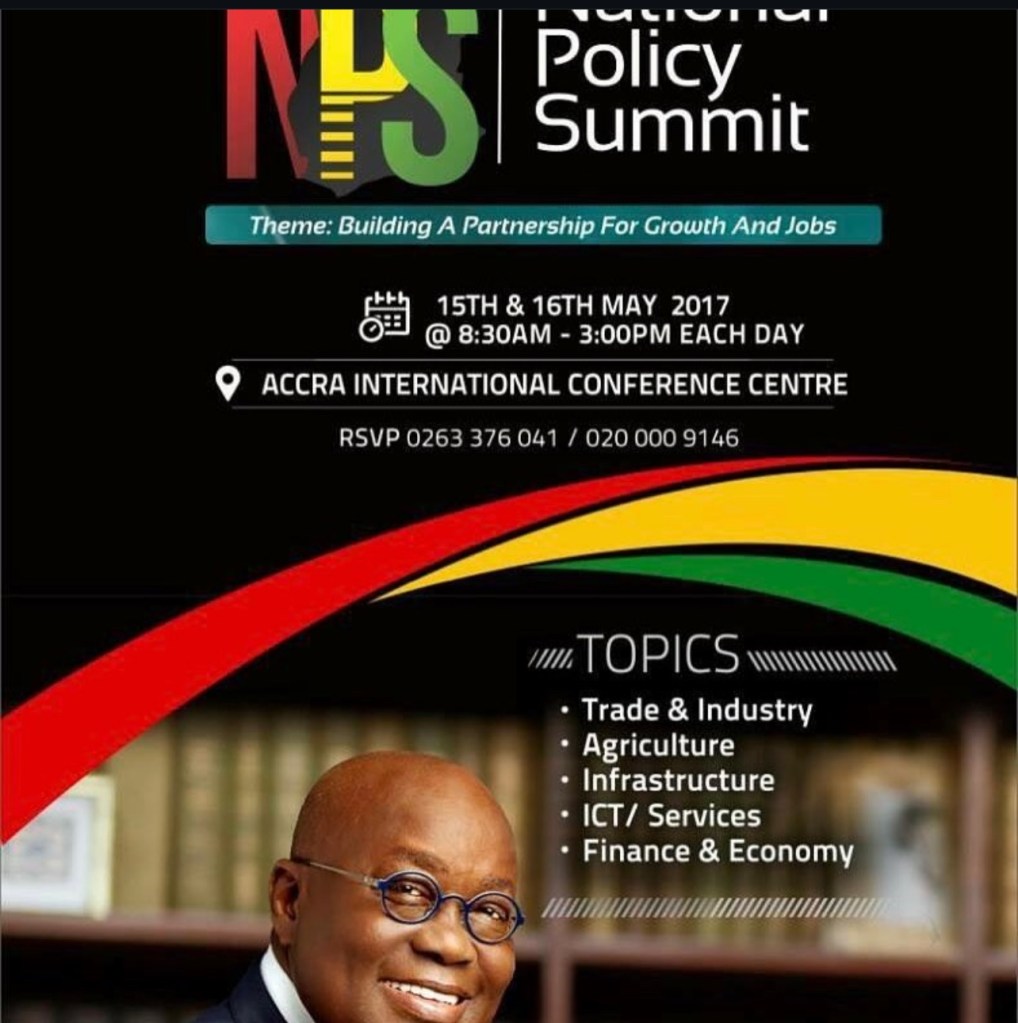
In our diverse realm of Ghanaian politics, the National Policy Summit (NPS) which was spearheaded by prominent figures such as Osafo Marfo, Ken Ofori-Atta, Kojo Oppong Nkrumah, and media personality Nana Aba Anamoah was aimed at addressing the pressing economic challenges facing the nation post 2016. However, as we analyze the outcomes of that summit, it becomes evident that it struggled to meet its ambitious objectives. In contrast, the National Economic Dialogue (NED) led by Dr. Ishmael Yamson, Dr. K.Y. Amoako, Professor John Gatsi, Muhammad Samara, Nelly Mireku, Anthony Sarpong, and Ernest De Graft Egyir presents a more inclusive and collaborative approach that could provide valuable lessons for future engagements.
The NPP’s National Policy Summit was designed to serve as a platform for key stakeholders, including government officials, business leaders, and civil society, to come together and discuss actionable policies aimed at stimulating economic growth and national cohesion. However, the execution of this vision was hindered by a perceived lack of inclusivity and engagement with grassroots voices. Many critics viewed the NPS as more of a political event than a genuine dialogue, raising questions about the government’s commitment to addressing the real issues faced by Ghanaians.
Notably, the leadership at the NPS, while experienced and knowledgeable, may have inadvertently created an echo chamber that did not fully capture the diverse perspectives needed to craft effective policies. The absence of a broader representation from various sectors of society, particularly marginalized groups, limited the summit’s potential to generate comprehensive solutions to the multifaceted economic challenges confronting the nation.
In contrast, the National Economic Dialogue, under the stewardship of respected figures such as Dr. Ishmael Yamson and Dr. K.Y. Amoako, aims to foster a more inclusive environment where all voices can be heard. This dialogue seeks to engage a wide range of stakeholders, including civil society organizations, academia, and the private sector, to collaboratively identify and address the economic issues that affect Ghanaians at all levels. The emphasis on inclusivity and transparency in the NED is a crucial element that enhances its credibility and effectiveness.
To ensure that future dialogues do not suffer the same fate as the National Policy Summit, several key recommendations can be made:
1. Broaden Participation: Future summits should actively seek to include a diverse array of participants, especially those from marginalized communities, youth, and women. This will not only enrich discussions but also ensure that policies are reflective of the needs and aspirations of the entire population.
2. Enhance Transparency: Clear communication regarding the objectives, processes, and expected outcomes of dialogues is essential. Regular updates and feedback mechanisms can help build trust and demonstrate a genuine commitment to public engagement.
3. Prioritize Active Listening: Create spaces for open dialogue where citizens can voice their concerns and suggestions. This approach fosters a sense of ownership and encourages collaboration between the government and the populace.
4. Commit to Follow-Through: Establish systems to track the implementation of policies developed through these dialogues. Public reporting on progress will help maintain accountability and ensure that commitments are honored.
5. Encourage Collaborative Partnerships: Foster synergies between government, the private sector, and civil society organizations to leverage resources and expertise in addressing economic challenges.
In conclusion, while the NPP’s National Policy Summit was aimed at addressing critical economic issues, its execution fell short of expectations. On the other hand, the National Economic Dialogue, spearheaded by respected professionals like Dr. Ishmael Yamson and Professor John Gatsi, exemplifies a more inclusive and collaborative approach. By embracing the lessons learned from the National Policy Summit, the NDC can revitalize its engagement with the Ghanaian populace, restoring public confidence in its ability to tackle the pressing economic challenges that lie ahead. Only through genuine collaboration and commitment can we hope to build a sustainable path toward growth and prosperity for all Ghanaians.

By Lord Fiifi Quayle
As I traversed the vibrant landscapes of our beloved country, engaging with citizens from all walks of life, I was filled with a profound sense of hope and urgency. The recent campaign trail alongside esteemed leaders such as John Dramani Mahama, General Asiedu Nketia, and Prof. Jane Naana Opoku Agyemang has illuminated the pressing need for true leadership in Ghana—leadership that transcends the politically convenient solutions that have too often fallen short of addressing the real issues facing our nation.
Ghanaians are yearning for a new dawn, one that promises genuine solutions to the crises that plague us. The youth, in particular, are restless and disillusioned, seeking a future that offers not just survival, but opportunity and dignity(we are on 2 months probation). Our older citizens, who have weathered the storms of change, deserve to see their sacrifices honored through accountable governance that prioritizes their wellbeing.
It is imperative that our leaders understand the weight of their responsibilities especially our newly appointed ministers and CEO’s. Every action and inaction of appointed officials reverberates through the lives of ordinary Ghanaians. We need a leadership that demands accountability and transparency, ensuring that the interests of the people are placed above personal or political gain. The time for complacency is over; we must forge a path that leads to real progress and healing.
Reflecting on my own experiences during the campaign, including two harrowing brushes with death, I am reminded of the fragility of life and the importance of purpose. I refuse to let those experiences be in vain. They serve as a clarion call for us all to rise, to demand more from our leaders, and to hold them accountable for the promises they make.
To our party chairman, Johnson Asiedu Nketia, I commend you for the remarkable work you have done thus far. Your leadership has laid a strong foundation, and I urge you to continue building upon those successes alongside your capable Secretary, Fifi Kwetey, and the dedicated party executives. Together, you have the potential to steer our party—and our nation—toward a brighter future.
To Prof. Jane Naana Opoku Agyemang, your commitment to empowering the girl child is an inspiration to us all. Our interactions at the graduate school and with traditional leaders in Cape Coast have reaffirmed your dedication to uplifting our communities. Your vision is clear, and your heart is in the right place. You are a beacon of hope, proving that women can and should occupy spaces of leadership and influence.
And to His Excellency John Dramani Mahama, the “Retired General,” never forget that you are our beacon of hope for resetting the economy. The cheers of young and old alike that echoed during our campaign, even in the heart of the Ashanti region at the late hours of the night, are not just fleeting moments of enthusiasm; they are a testament to the trust and expectation that Ghanaians place in you. Those cheers symbolize a collective longing for change—a desire to move beyond the challenges of the past and to build a future where every Ghanaian can thrive.
At this moment in our history, let us remember that the path forward requires unwavering focus and determination. We must not allow the noise of detractors to drown out the voices of hope and aspiration. Together, we can forge a new Ghana—one where true leadership is characterized by accountability, compassion, and a relentless commitment to the welfare of all citizens.
To the appointed ministers and executives let us heed the call for change, for a leadership that listens, learns, and leads with integrity; that is why some of us sacrificed to get us back to power. The future of Ghana is NOW in our hands, and together, we can create a nation that reflects the dreams and aspirations of its people.
HOPE IS HERE NOW
By Lord Fiifi Quayle
In a move that has been met with both anticipation and scrutiny, President John Dramani Mahama has officially submitted his first set of ministerial nominations to the Speaker of Parliament, marking a significant step in his administration’s journey. The nominees Hon. Dr. Cassiel Ato Baah Forson for Finance, Hon. John Abdulai Jinapor for Energy, and Hon. Dominic Akuritinga Ayini for Attorney-General and Minister for Justice represent a blend of experience, expertise, and a commitment to the nation’s development.

Hon. Dr. Cassiel Ato Baah Forson: A Financial Visionary
As the Minister for Finance Designate, Dr. Forson brings a wealth of knowledge and experience to the table. With a Ph.D. in Finance from the Kwame Nkrumah University of Science and Technology, along with a robust background in public finance and fiscal policy, he is well-equipped to navigate the complex financial landscape of Ghana. His extensive qualifications, including a Master of Science in Taxation from the prestigious University of Oxford, underscore his capability to address the pressing economic challenges facing the nation.
Dr. Forson’s five-term tenure as a lawmaker has not only honed his legislative skills but has also provided him with firsthand insight into the intricacies of governance. His appointment comes at a crucial time when Ghana’s economy is grappling with numerous challenges, and his expertise will be vital in formulating policies that promote fiscal stability and sustainable growth.
Hon. John Abdulai Jinapor: Energizing the Sector
The nomination of Hon. John Abdulai Jinapor as Minister for Energy Designate is another strategic choice. With a robust academic background, including a Master of Science in Energy Economics from GIMPA and an MBA in Marketing, Jinapor is poised to inject new life into Ghana’s energy sector. His extensive experience in energy economics and finance positions him uniquely to tackle the pressing issues of energy supply, sustainability, and infrastructure development.
As Ghana continues to explore avenues for energy diversification and efficiency, Jinapor’s hands-on experience will be indispensable. His vision for the energy sector could potentially lead to transformative changes that not only enhance energy access but also promote renewable energy initiatives, aligning with global sustainability goals.
Hon. Dominic Akuritinga Ayini: A Legal Luminary
Completing this formidable trio is Hon. Dominic Akuritinga Ayini, a seasoned legal expert with three decades of experience. His previous role as Deputy Attorney General and Minister for Justice provides him with a solid foundation to address the legal challenges facing Ghana. With a Ph.D. in law from Stanford University and extensive teaching experience at the University of Ghana Law School, Ayini’s legal acumen is both profound and respected.
As the Attorney-General, Ayini will play a critical role in upholding the rule of law and ensuring justice for all Ghanaians. His deep understanding of legal frameworks will be vital in navigating the complexities of governance, human rights, and constitutional matters, ensuring that the legal system remains robust and equitable.
President Mahama’s initial ministerial nominations reflect a commitment to appointing individuals who not only possess the requisite qualifications but also share a vision for a prosperous Ghana. As these nominees prepare to face Parliament for approval, it is imperative that the nation rallies behind them, fostering a spirit of unity and collaboration.
The challenges ahead are formidable, but with capable hands at the helm of key ministries, there is hope for a brighter future. Ghanaians will be watching closely as these leaders embark on their journeys, and it is our collective responsibility to support them in their endeavors to propel our nation forward.
HOPE IS HERE AGAIN
 Lord Fiifi Quayle