• NDC at 33: Reflecting on the June 4th Uprising, the Birth of a Third Force, and the Party’s Enduring Legacy

    June 12, 2025
    Governance, History, Politics

    By Lord Fiifi Quayle, June 12, 2025

    As the National Democratic Congress (NDC) marks its 33rd anniversary, it is important to reflect on the party’s origins, the struggles that shaped its formation, and the critical role it has played in Ghana’s democratic journey. The NDC was born out of a revolutionary era, a period defined by the June 4th Uprising, the June 19th turning point, and the relentless efforts of cadres who believed in a new political direction for Ghana.

    The June 4th Uprising and the Birth of a Revolution
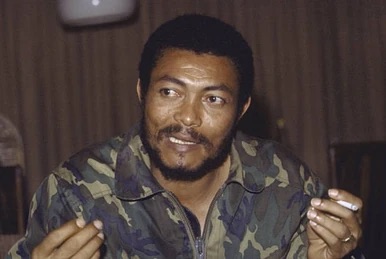
    Jerry John Rawlings

    The June 4th, 1979 uprising was a watershed moment in Ghana’s history. It was a movement led by the young Flight Lieutenant Jerry John Rawlings and progressive forces who sought to uproot corruption, injustice, and economic mismanagement that had plagued the nation. The uprising was not just a military intervention but a popular revolt driven by the frustrations of ordinary Ghanaians, particularly the youth, who demanded accountability from their leaders.

    The events of June 4th were followed by the June 19th transition, which reinforced the revolutionary ideals of probity, accountability, and social justice. These principles became the bedrock of the Provisional National Defence Council (PNDC), which governed Ghana from 1981 to 1992. The PNDC’s era was marked by sweeping reforms, including the decentralization of power, economic restructuring, and the empowerment of local governance, a legacy that still influences Ghana’s development trajectory today.

    The Need for a Third Force: The Birth of the NDC

    After 11 years of revolutionary governance under the PNDC, Ghana was transitioning back to multi-party democracy. The political landscape at the time was dominated by two major traditions, the Convention People’s Party (CPP) and the United Party (UP) tradition. However, many within the PNDC believed that neither of these traditions fully represented the progressive ideals of the revolution.

    The idea of a third force emerged, a party that would take the best of the CPP’s social democratic policies and the UP’s liberal democratic principles to create a new political movement. This vision had earlier been explored with the formation of the United National Convention (UNC), which included key figures like Nana Akufo-Addo, Asiedu Nketia, Obed Asamoah, Harry Sawyer, and others. Notably, Goosie Tanoh, then a young activist, led the Revolutionary Front, one of the earliest cells that championed this new political direction.

    When the decision was taken in Sunyani to form a new party, Rawlings declared that the revolution had come to stabilize Ghana’s politics and end the cycle of coups. A Consultative Assembly was formed to establish the NDC, though the UP tradition refused to participate. The NDC was thus born as a social democratic party, committed to continuing the PNDC’s ideals of probity, accountability, and grassroots empowerment within a democratic framework.

    The NDC’s Legacy and the Call for Unity

    Today, the NDC stands as a testament to the resilience of Ghana’s democracy. What began as a third force has now become a first choice for many Ghanaians, having governed the nation for significant periods under Presidents Rawlings, Atta Mills, and John Mahama. The party’s core values remain relevant, especially in an era where corruption and inequality still challenge our progress.

    However, as the Akan proverb goes, “Yɛ de ɛkuro na ekyekyere oman” (It takes a village to build a nation). The NDC must remain united, respectful of diverse views, and committed to internal cohesion. The party’s strength lies in its grassroots, and the youth, who were instrumental in the June 4th uprising, must continue to play an active role in shaping its future.

    A Call to Leadership: Bridging the Gap Between Party and Government

    Six months after the 2024 elections, it is crucial for His Excellency John Dramani Mahama, who has performed exceptionally in government, to reconnect more closely with the party. His absence at the June 4th anniversary and the NDC’s 33rd anniversary was deeply felt. The party is the backbone of every NDC government, and leaders must never lose touch with the grassroots that brought them to power.

    Key figures such as Valerie Sawyer, Julius Debrah, Stan Dogbe, and Calistus Mahama must ensure a strong liaison between the party and government. The NDC’s success depends on unity, discipline, and a shared commitment to the ideals that birthed it.

    Conclusion

    As we celebrate 33 years of the NDC, we must remember the sacrifices of the cadres, the revolutionary spirit of June 4th, and the vision of a third force that reshaped Ghana’s democracy. The NDC must remain vigilant, avoid complacency, and continue fighting for the values of probity, accountability, and social justice that define its legacy.

    The struggle continues, and the youth must lead the charge, just as they did in 1979 and 1992.

    Forward ever, backward never!

    Long Live the NDC! Long Live Ghana’s Democracy!

    GHANA MUST WORK AGAIN
    No comments on NDC at 33: Reflecting on the June 4th Uprising, the Birth of a Third Force, and the Party’s Enduring Legacy
  • GRNMA Strike: Power, Protest, and the Path Forward

    June 8, 2025
    Ghana Health, Governance, Politics

    By Lord Fiifi | June 2025

    The Ghana Registered Nurses and Midwives Association (GRNMA) has initiated a nationwide strike, effectively bringing public healthcare in Ghana to a grinding halt. While media coverage often highlights the immediate disruption to services, a closer examination reveals a tangled web of unfulfilled promises, legal disputes, internal union politics, and high-stakes negotiations.

    What’s really happening, and where do we go from here? Let’s break it down.

    What Triggered the Strike?

    At the core of this unrest is the government’s failure to implement the 2024 Collective Agreement. This crucial deal was meant to address:

    • Unpaid allowances

    • Salary adjustments

    • Delayed staff postings

    Despite being signed over a year ago, much of the agreement remains unfulfilled, leading to rising frustration among the nursing and midwifery workforce. After months of inaction, GRNMA declared a nationwide strike in June 2025.

    The Legal Standoff: Injunction vs. Defiance

    On June 5, the National Labour Commission (NLC) obtained a High Court injunction, deeming the strike illegal. However, GRNMA insists they have not been officially served with the injunction and therefore refuse to comply.

    Their position? “No injunction, no end to the strike.”

    Their rallying cry? “Aluta continua” — the struggle continues.

    The Fallout: Health Services Disrupted

    The repercussions of the strike have been immediate and severe:

    • Emergency rooms are overwhelmed

    • Outpatient services have been suspended

    • Rural clinics are shut down

    Patients across Ghana are bearing the brunt of this disruption, with maternal and child healthcare suffering the most.

    Coercion or Strategy? Understanding GRNMA’s Power Moves

    Some critics are questioning whether GRNMA is using its influence to coerce the government or simply practicing effective unionism.

    Key Indicators of a Power Play:

    1. Exclusion Of Other Union, GRNMA signed the 2024 agreement without consulting other recognized groups such as UPNMG and PNAG, leading to accusations of bad faith and legal breaches.
    2. Dominant Numbers, Dominant Voice with a majority of nurses and midwives in its ranks, GRNMA wields significant leverage — and is not afraid to use it.
    3. Assertive Messaging By dismissing rival unions as “minority groups,” GRNMA has bolstered its strongman image, raising questions about inclusivity and democracy within the sector.

    Verdict: Political Manipulation or Strong Union Strategy?

    There is no public evidence linking GRNMA’s actions to political party manipulation. Instead, we are witnessing

    :• Aggressive union strategy

    • Majority leverage

    • Strategic disruption

    However, their exclusionary tactics threaten the spirit of collaborative labor negotiations and risk isolating smaller unions that also represent frontline workers.

    Government’s Response: From Panic to Engagement

    Chief of Staff’s Directive (Feb 2025)

    A memo nullified all public service appointments made after December 7, 2024, affecting hundreds of new nurses.

    Health Minister’s Assurances

    Kwabena Mintah Akandoh has met with GRNMA leaders to clarify that any recruits with financial clearance would be protected.

    Ghana Health Service Circular

    A directive to suspend recruits not yet on payroll has triggered backlash from GRNMA, which insists on due process first.

    Clarifications and Dialogue

    GRNMA later confirmed that no dismissals had occurred and acknowledged the government’s willingness to engage, even as the strike continues.

    What Should Happen Next?

    Here’s how both sides can move forward constructively:

    For the Government:

    • Convene a joint bargaining table with all nurse and midwife unions • Appoint an independent mediator to review the 2024 agreement • Create a clear implementation roadmap with deadlines and transparency

    For GRNMA:

    • Recognize and engage other nursing associations • Respect legal protocols when served with court injunctions • Balance advocacy with inclusivity to preserve credibility

    Final Thoughts

    The GRNMA strike is not merely a labor issue; it reflects deeper systemic challenges — from policy implementation delays to fractured union representation.

    As healthcare hangs in the balance, the way forward lies not in courtrooms or public threats, but in collaborative, transparent negotiation that prioritizes the needs of health workers and the public they serve.

    GHANA MUST WORK AGAIN

    No comments on GRNMA Strike: Power, Protest, and the Path Forward
  • African Union Day Message

    May 25, 2025
    Governance

    On this day, as we mark African Union Day, we are reminded of our shared history, common struggles, and the bright future that lies ahead when we stand as one. Let us take this moment to renew our faith and loyalty to our beloved motherland, Ghana. For in being loyal to Ghana, we also affirm our loyalty to our brothers and sisters across the African continent.

    Our unity is our strength. Africa’s greatness will only be realized when we see Africans not as divided by borders, but as bound by a shared destiny. I commend all of us on the continent and in the diaspora who continue to fight our battles, amplify our voices, and extend empathy where it is most needed. Your sacrifices and solidarity give us hope.

    The outpouring of love and respect shown recently to Captain Ibrahim Traoré is a testament to the spirit of Pan-Africanism that still burns within us. Let us continue to be our brothers’ and sisters’ keepers, lifting one another up in the face of adversity, and celebrating our triumphs as one people.

    May we, as Ghanaians, never again experience the kind of governance that fails to put the people’s interest first. Let the lessons of our past sharpen our vision for the future
    one built on justice, accountability, compassion, and true leadership.

    Long live Ghana.
    Long live Africa.
    Long live the spirit of unity and brotherhood.

    3y3 Zu

    No comments on African Union Day Message
  • A Rainy Day in Accra: The Urgent Call for Waste Management Reform

    May 18, 2025
    Governance

    By Lord Fiifi Quayle

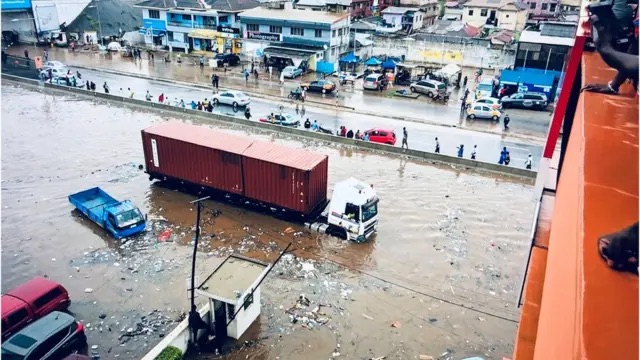
    May 18, 2025 – As I look out over the city of Accra on this rainy day, I am struck by a stark reality: the streets are submerged in filth, plastic waste, and debris. Floodwaters rise, displacing families and turning once-bustling neighborhoods into scenes of despair. Just last week, our President stood at the Africa CEO Summit in Ivory Coast, discussing the energy crisis that plagues our nation. Yet here we are, drowning not only in rainwater but also in the very waste that has been allowed to accumulate unchecked.

    Image Credit. BBC

    The previous government, in a display of misplaced priorities, squandered over $200 million with grand promises of transforming Accra into the cleanest city in Africa. Today, those promises ring hollow as we navigate through a city where gutters are choked and the air is thick with the stench of neglect. From Lavender Hill to Chorkor, the evidence of our environmental crisis is everywhere: our beaches are littered, the Korle Lagoon is suffocating under a blanket of refuse, and Accra alone generates over 2,200 tonnes of waste each day.

    The consequences of this mismanagement are dire. Our communities are at risk of cholera outbreaks and other diseases, as stagnant water mingles with the waste that surrounds us. The floods serve as a painful reminder of our failure to address the root causes of this crisis. As we fumble with the consequences of poor waste management, we must also confront the reality of frequent power outages that leave us in the dark. Our energy crisis is compounded by our inability to manage waste effectively, and it is clear that we cannot afford to ignore this any longer.

    However, amid this bleak landscape, there are glimmers of hope. Local government initiatives, alongside the efforts of the Environmental Protection Agency (EPA) and organizations like Zoom Lion, Bus Stop Boys are making strides in waste management. The recent decision to decentralize waste management to regional, district, and municipal levels is a commendable step toward accountability. By empowering locals to manage their waste, we can devise tailored solutions that address the unique challenges faced by each community.

    Moreover, we must recognize and support the organizations that are innovating in waste recycling and management. These efforts are crucial in transforming our waste into resources, fostering a more sustainable future. The concept of waste-to-energy—incinerating waste to produce energy—emerges as a viable solution to our dual crises of waste and energy. Not only can this approach help restore cleanliness to our environment, but it can also generate revenue for the government and provide a stable electricity supply for our industries.

    The current government came into power with a promise to reset the economy, and it is time to turn those words into action. Drastic measures, such as investing in waste-to-energy technologies, can significantly contribute to our reset agenda. By embracing innovative waste management practices, we can combat the filth that plagues our city, protect public health, and create a cleaner, more sustainable future for all Ghanaians.

    Let this rainy day in Accra, serve as a wake-up call. The time for action is now. We must hold ourselves and leaders accountable, support local initiatives, and invest in sustainable solutions that will not only clean our streets but also empower our communities. Together, we can turn the tide on waste management in Ghana and create a cleaner, healthier environment for generations to come.

    GHANA MUST WORK AGAIN

    No comments on A Rainy Day in Accra: The Urgent Call for Waste Management Reform
  • The Cedi Performance: Mahama’s Legacy Project Amidst Economic Challenges

    May 16, 2025
    Economy, Cedi, Dollar, Euro, Fiscal Policy, Debts, Governance, Politics

    By Lord Fiifi Quayle

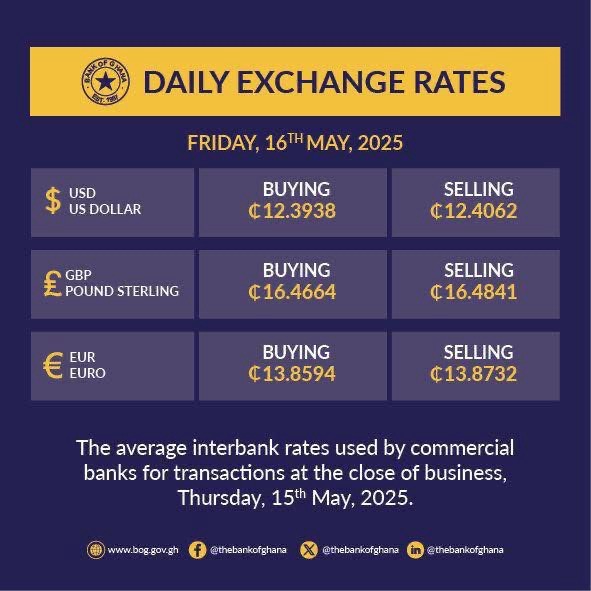
    For the past days, Ghana’s cedi has emerged as a surprising outperformer against major trading currencies, including the US dollar, British pound, and euro. Having appreciated over 13% against the dollar, the cedi’s journey from 14.6 in January to a remarkable 12.4 by mid-year has sparked discussions among economists and investors alike. This article delves into the factors behind this impressive performance, assesses the sustainability of this trend, and explores the government’s strategies that have contributed to this economic turnaround.

    The Remarkable Journey

    After starting the year at a concerning exchange rate of 14.6 to the dollar, the cedi experienced a prolonged period of stability, hovering around 15.5 until May. This stability laid the groundwork for the subsequent appreciation, which can be attributed to several key factors. Mahama’s proactive approach, combined with favorable external conditions, has played a pivotal role in this transformation.

    Government Strategies and Economic Fundamentals

    One of the most significant drivers of the cedi’s appreciation has been the increase in revenues from gold and cocoa, Ghana’s primary export commodities. With gold prices remaining robust on the global market and cocoa production witnessing an uptick, the government has capitalized on these resources to bolster foreign exchange reserves. Additionally, the implementation of policies aimed at enhancing the export sector has yielded positive results, with total exports showing promising growth.

    Notably, an increase remittances have also contributed to the influx of foreign currency. As many Ghanaians abroad continue to support their families back home, the resulting increase in forex supply has provided much-needed stability to the cedi.

    Furthermore, the recent upgrade by S&P from SD (Selective Default) to CCC+ signals growing confidence in Ghana’s economic management. This upgrade reflects improvements in fiscal policy and a commitment to addressing public debt concerns—an essential factor for maintaining investor confidence.

    Sustainability: The Key Question

    While the cedi’s performance has been commendable, the pressing question remains: Can this appreciation be sustained? The long period of stability prior to the recent appreciation offers some hope, but it is crucial to remain vigilant.

    The government must focus on several critical areas to ensure that the cedi’s gains are not short-lived:

    1. Managing Public Debt: Rising public debt remains a significant concern. The government must adopt a prudent fiscal policy to mitigate the risks associated with high debt levels. This includes ensuring that borrowing is directed towards productive investments that can stimulate economic growth.

    2. Fiscal Discipline: Addressing fiscal spillage is vital. The government must prioritize efficient spending and revenue generation to create a balanced budget that supports sustainable economic growth.

    3. Export Strategy Continuation: The current momentum in export growth must be maintained. Continued investment in the agricultural sector, particularly cocoa and gold, along with diversifying exports, will be essential to ensure steady foreign currency inflows.

    4. Strengthening Forex Reserves: Building and maintaining robust foreign exchange reserves will provide a buffer against external shocks and help stabilize the cedi in the long run.

    Conclusion

    Ghana’s cedi has shown remarkable resilience and strength in recent months, driven by sound government strategies and favorable economic conditions. While the current performance is encouraging, the sustainability of this trend hinges on prudent fiscal management, effective debt control, and a commitment to enhancing the export sector. With the right policies in place, Ghana can not only maintain the cedi’s appreciation but also pave the way for a more stable and prosperous economic future.

    GHANA MUST WORK AGAIN

    No comments on The Cedi Performance: Mahama’s Legacy Project Amidst Economic Challenges
  • John Dramani Mahama’s First 120 Days: A Reflection on Hope, Governance, and Legacy

    May 8, 2025
    Governance, Politics

    By Lord Fiifi Quayle

    As a proud member of the National Democratic Congress (NDC), my journey across Ghana during John Dramani Mahama’s campaign was more than just political; it was deeply personal. I traveled from the bustling streets of Accra to some of the serene villages in Ghana, joining Mahama in his quest to reconnect with the people. Late nights spent engaging with the youth and the elderly, listening to their aspirations, fears, and dreams, left an indelible mark on my heart. Their hope and trust in us were palpable, and I often found myself reflecting on the weight of their expectations. Are we truly delivering our best in governance now that we hold the reins of power? Am I asking too much, or is it fair to be expecting a lot more from our government?

    The reality of governance is complex. While doing things “by the books” is the ideal path, it often feels agonizingly slow. In a system where corruption can lurk in the shadows, the temptation to cut corners can be overwhelming. Yet, as I look back on the first 120 days of Mahama’s second term, it is essential to acknowledge the significant strides made thus far.

    From the outset, Mahama has committed to establishing the leanest and most efficient government in Ghana’s history. The cancellation of the e-levy, the betting tax, and other nuisance taxes have been met with widespread approval. These decisions resonate deeply with the citizens who have long felt the burden of excessive taxation. Initiatives like “Adwumawura,” “Mahama Cares,” and the “Black Star Experience” have ignited hope for a revitalized economy. The promise of a 24-hour economy, if executed effectively, could transform our economic landscape, creating jobs and opportunities for countless Ghanaians.

    Moreover, the introduction of the Operation ORAL and Anti-Corruption measures, alongside a robust government code of ethics, signals a commitment to transparency and accountability. Even Professor Addae a leading critic of the NDC asserts that “no logical thinking person would ever write John Mahama down for his current performance” which true. We know the caliber of this leader, and I firmly believe that this is indeed his “Legacy Moment.” He is poised to leave a lasting impact on our nation if these initiatives are implemented with diligence and integrity.

    Am I impressed with what has been achieved in these first 120 days? Absolutely. Mahama has set a solid foundation, but I remain convinced that there is room for improvement. The words of an elderly woman I met in Kuntanase in the Ashanti region during the campaign, who was part of the several dozens of youth,children and the elderly that waited for us until 1 a.m. to share her hopes and fears, echo in my mind. Her heartfelt plea, “aa memma mmombra na monbegye yen wai na yebre,” translates to “my children, you people should come and save us; you are our only hope.” This sentiment is a constant reminder of the responsibility we bear as leaders.

    With this in mind, I find it impossible to rest. I am driven by the desire to contribute my utmost to building a better Ghana for all of us. As we move forward, let us remember that the expectations of our citizens are not burdens; they are our guiding light. We must strive to meet their hopes with action, ensuring that our governance reflects the trust they have placed in us.

    In summary, the first 120 days of John Dramani Mahama’s leadership have been marked by significant achievements and a renewed sense of hope. Yet, the journey is far from over. We must remain vigilant, committed, and responsive to the needs of our people. Together, we can build a Ghana that not only meets the expectations of its citizens but exceeds them, leaving a legacy of which we can all be proud.

    GHANA IS WORKING AGAIN

    No comments on John Dramani Mahama’s First 120 Days: A Reflection on Hope, Governance, and Legacy
  • Understanding The Collegiate System: A Call for Fairness

    May 5, 2025
    Governance

    By Lord Fiifi Quayle

    In Ghana, the process of electing a president is a vital aspect of our democracy. It is not just about who gets the most votes; it’s about ensuring that every Ghanaian, regardless of where they live, has a voice in the leadership of our country. Currently, every vote carries the same weight in our electoral system, but the reality is that some regions are more populous than others. This imbalance raises important questions about fairness and representation in our democratic process.

    The Current Voting System

    Under the existing system, a presidential candidate must secure at least 50% of the total votes cast, plus one additional vote, to be declared the winner. This means that the candidate who receives the majority of votes nationwide is elected president. While this system seems straightforward, it can lead to situations where a candidate wins the presidency primarily through support from just a few heavily populated regions, potentially ignoring the voices of citizens in less populated areas.

    For instance, if a candidate focuses their campaign efforts on Greater Accra or Ashanti Region—two of the most populated regions in Ghana—they may gather enough votes to win outright, even if they do not have significant support in other regions. This can create a sense of disenfranchisement among voters in regions like the Upper West or Eastern Region, where the population is smaller, and their votes may feel less impactful.

    The Need for Fair Representation

    To ensure that every Ghanaian’s vote matters equally, we must consider a system that promotes fairness and encourages candidates to engage with voters from all regions. This is where the collegiate voting system comes into play. Under this proposed system, a candidate must win at least 9 out of the 16 regions in Ghana to be declared president.

    Why the Collegiate System?

    1. Balanced Representation: By requiring candidates to win a majority of regions, the collegiate system ensures that no single region can dominate the election outcome. This encourages candidates to campaign across the country, addressing the diverse needs and concerns of all Ghanaians.

    2. Empowerment of All Regions: The collegiate system empowers voters in less populated regions, ensuring that their voices are heard and that their votes carry weight in the election process. It promotes a sense of inclusion, making every region feel valued in the national conversation.

    3. Encouraging National Unity: When candidates are compelled to seek support from a broad array of regions, it fosters a sense of national unity. Candidates are more likely to address issues that affect all Ghanaians, rather than focusing solely on the interests of a few populous areas.

    Moving Forward

    As we approach future elections, it is crucial for us as citizens to engage in discussions about our electoral system. The collegiate voting system is not just a theoretical concept; it is a practical solution to ensure fairness and representation in our democracy. It is essential that we advocate for a system that reflects the values of inclusivity and equality.

    In conclusion, our current voting system has its merits, but it also presents significant challenges in terms of representation. By exploring the collegiate system, we can create a more equitable electoral process that ensures every Ghanaian’s vote matters, regardless of their region. It is time for us to come together and champion a system that truly reflects the will of the people, fostering a stronger and more united Ghana.

    Let us engage in this important conversation and work towards a future where every vote counts equally, and every region has a voice in shaping our nation’s leadership.

    GHANA MUST WORK AGAIN

    No comments on Understanding The Collegiate System: A Call for Fairness
  • Learning from the Past: A Call for Strategic Program Launches in Ghana, Part 1

    May 1, 2025
    Governance, History, Politics

    By Lord Fiifi Quayle

    In recent months, it has become increasingly evident that we are retracing the same missteps that plagued the John Mahama 1 administration. While John Mahama 2 has ambitious programs aimed at improving the lives of Ghanaians, the manner in which these initiatives are being launched is leaving much to be desired. We are witnessing a concerning trend: programs are being rolled out with minimal media traction, a lack of public dissection, and without the thoughtful coordination necessary for success.

    The Importance of Media Engagement

    To begin with, we must recognize that the media landscape plays a crucial role in shaping public perception. It is not enough to simply launch a program; we need to ensure that it captures the attention of the media and, by extension, the public. This requires a well-coordinated launch strategy that includes both good and bad media coverage. Believe it or not, the push and pull of differing opinions gives our initiatives the credence they deserve. By engaging in a dynamic media conversation, we can amplify the positive aspects of our programs while addressing any criticisms head-on.

    Engaging Party Members and the Public

    Moreover, it is crucial to carry the masses along with us. If our own party members are not fully engaged and informed about our initiatives, how can we expect the general public to be? A successful program launch should not only resonate with party loyalists but also inspire confidence among the broader electorate. This means we need to pause, rethink our approach, and dominate the media space with our narratives.

    Take, for example, the recent launch of the chip passports. This initiative could have been more effectively timed to coincide with cost reductions, thereby enhancing its reception. Instead, we find ourselves operating as though we lack a clear strategy. However, we have seen success in other areas; when we decided to stop overemphasizing the 24-hour economy, our messaging became more effective.

    The Need for a Robust Propaganda Machine

    It is time to get our propaganda machine working effectively. Our agenda setters must be proactive in conditioning the minds of the average Ghanaian to recognize that we are working hard for their benefit. Our grace period will not last forever, and we must capitalize on the momentum we have. Reflecting on the same period in 2017, we recall how mobile money interoperability dominated the conversation. The national identification launch and the digital address system were also executed with precision, capturing public attention and support.

    We must also learn from the mistakes of our political opponents. The “One District, One Factory” initiative faced challenges primarily because it failed to carry the people along. Similarly, the completion of 23 senior high schools under the progressive Free SHS initiative(which is unprecedented, no government after Nkrumah has been able to achieve this feat),yet does not resonate with the public due to insufficient engagement. We need to ensure that our programs not only aim for ambitious goals but also connect with the everyday lives of Ghanaians.

    Controlling the Narrative

    As a party in power, we must step up and take control of the narrative. Our communications should reflect the image of our president as a down-to-earth and level-headed leader. This alignment will foster public trust and confidence in our administration. It is essential that our utterances are circumspect and resonate with the values we wish to project.

    Conclusion

    In conclusion, as we move forward, we must learn from the past and adapt our strategies for launching programs. By engaging the media effectively, involving party members, and connecting with the public, we can enhance the impact of our initiatives. The time now is to pause, reflect, and dominate the media landscape with our narratives. Let us not repeat the mistakes of the past but instead forge a path that leads to tangible benefits for all Ghanaians. The future of our party and the well-being of our nation depend on it.

    GHANA MUST WORK AGAIN

    No comments on Learning from the Past: A Call for Strategic Program Launches in Ghana, Part 1
  • Ghana: The Emerging Hub for Foreign Direct Investment (FDI)

    April 14, 2025
    Governance

    By Lord Fiifi Quayle

    In recent times, Ghana has emerged as a beacon of stability and growth in West Africa, positioning itself as a ripe destination for foreign direct investment (FDI). With a burgeoning economy, a youthful population, and strategic access to regional markets, the country is ripe for investment across various sectors. However, to fully harness the potential of FDI, Ghana must focus on specific industries, leverage existing trade agreements, and navigate the complexities of global tariffs.

    Lord Fiifi Quayle, CEO Tv Democrat

    The Market for FDI in Ghana

    Ghana’s economic landscape is characterized by a diverse array of sectors ready for investment. The nation has seen steady GDP growth, driven by agriculture, mining, and services. However, to attract sustainable FDI, Ghana must prioritize sectors where it has a competitive advantage and where global investors are actively seeking opportunities.

    1. Agriculture and Agribusiness: Agriculture remains a cornerstone of Ghana’s economy, employing over 40% of the workforce. Investing in agribusiness, particularly in value addition, agro-processing, and export-oriented farming, can significantly enhance food security and create jobs. With the African Continental Free Trade Area (AfCFTA) promoting intra-African trade, Ghana can position itself as a key supplier of agricultural products across the continent.
    2. Renewable Energy: As the world pivots towards sustainability, Ghana’s abundant natural resources presents a significant opportunity for investment in renewable energy. The government’s commitment to increasing the share of renewables in its energy mix, alongside the growing demand for clean energy solutions, makes this sector particularly attractive for foreign investors.
    3. Technology and Innovation: The tech ecosystem in Ghana is rapidly evolving, with a burgeoning startup scene and increasing interest from venture capitalists. Investing in technology, particularly in fintech, health tech, and edtech, can drive innovation, improve service delivery, and enhance economic growth.
    4. Infrastructure Development: Ghana’s infrastructure needs are vast, creating opportunities for FDI in transport, housing, and urban development. Public-private partnerships (PPPs) can be instrumental in addressing these gaps, while also offering attractive returns for investors.

    Leveraging Trade Agreements

    Ghana’s strategic position within the AfCFTA framework provides a unique advantage for attracting FDI. By facilitating trade among African nations, AfCFTA can help Ghana become a manufacturing and export hub. The Ghana Free Zones Authority further enhances this potential by offering incentives such as tax holidays and customs exemptions to businesses that establish operations in designated free zones.

    However, the 10% tariff imposed by the United States presents a challenge for Ghanaian exports to the U.S. market. Instead of viewing this as a setback, Ghana should capitalize on its membership in AfCFTA to diversify its trade partnerships. By strengthening ties with other African nations and exploring markets in Asia and Europe, Ghana can mitigate its reliance on the U.S. and enhance its economic resilience.

    The Economic Impact of FDI

    The influx of FDI has the potential to significantly improve Ghana’s economy. Increased investment will lead to job creation, technology transfer, and improved infrastructure, ultimately driving economic growth. Moreover, FDI can enhance the country’s export capacity, contributing to a more favorable balance of trade.

    However, to maximize the benefits of FDI, Ghana must ensure that it creates a conducive business environment. This includes strengthening regulatory frameworks, improving ease of doing business, and fostering a culture of transparency and accountability. Moreover, investing in human capital through education and skills training will equip the workforce to meet the demands of foreign investors.

    Conclusion

    Ghana stands at a crossroads, with the potential to become a leading hub for FDI in Africa. By prioritizing key sectors, leveraging trade agreements, and creating an enabling environment for investment, the country can attract the capital it needs to drive sustainable economic growth. As Ghana embraces its role in the global economy, it must remain vigilant in navigating challenges while seizing opportunities that arises. The future is bright for Ghana, and with strategic foresight, it can emerge as a model for FDI-driven development in the region.

    GHANA IS WORKING AGAIN

    No comments on Ghana: The Emerging Hub for Foreign Direct Investment (FDI)
  • After Whiskey Thoughts: Evaluating President Mahama’s Reset Agenda

    March 24, 2025
    Governance

    By Lord Fiifi Quayle

    Three months into President John Mahama’s tenure, the anticipation surrounding his reset agenda is perceptible. After a seamless transition, the nation yearns for a clear and decisive direction. However, the signs suggest that the reset agenda is not living up to its promise.

    Leadership often requires bold moves, difficult choices to pave way for a new vision. Such actions, while controversial, are rooted in a commitment to transformative change. It is imperative for President Mahama to continue with some of the steps he has taking, never to forget that resetting the economy cannot be entangled with “business as usual.”

    Lord Fiifi Quayle, CEO of Tv Democrat

    History has shown us the consequences of complacency within the National Democratic Congress (NDC). The political fates of figures like Victor Selormey, Richard Kwame Peprah, etc serve as reminders that stagnation and hesitance can lead to dire repercussions. The Ghanaian is discerning; they are looking for a government that is willing to innovate and confront the challenges head-on, rather than simply treading water.

    One major concern is the emptiness of our parliamentary seats. This absence of representation of the NDC members of Parliament is unacceptable and undermines the very foundation of our democracy and political party. The voices of the people must be heard, and their concerns addressed. A government that does not prioritize the engagement of its elected representatives is one that risks alienating its base.

    To reinvigorate the party and its agenda, i would suggest that His Excellency meets with all party faithful at the NDC headquarters. This gathering would not only serve as a platform for communication but also as an opportunity for President John Mahama to reassure party members of his commitment to working collaboratively with them. The strength of the NDC lies in its unity and the collective efforts of its members.

    The reset agenda should not be just rhetoric; it needs to translate into actionable policies that resonate with the everyday Ghanaian. Economic revitalization must be at the forefront, addressing the pressing needs of our citizens. We cannot afford to be complacent or to entertain any characteristics of business as usual. The people are looking for leaders who will take bold steps toward sustainable development and social equity.

    The reset agenda presents to us a critical opportunity for President Mahama to redefine his leadership and solidify his legacy. By engaging with party faithful, addressing the void in parliamentary representation, and committing to transformative economic policies, he can steer the nation toward a brighter future. The time for genuine change is now, and the expectations of the Ghanaian people are high. Let us hope that the reset agenda will evolve into a robust plan that truly meets the needs of our nation.

    GHANA MUST WORK AGAIN

    No comments on After Whiskey Thoughts: Evaluating President Mahama’s Reset Agenda
Previous Page
1 … 4 5 6 7 8 … 13
Next Page

Blog at WordPress.com.

Lord Fiifi Quayle

Power. Dignity. Africa. Essays and articles by Lord Fiifi Quayle on politics, economy, and the African condition.

  • About
  • Pictures
 

Loading Comments...
 

    • Subscribe Subscribed
      • Lord Fiifi Quayle
      • Already have a WordPress.com account? Log in now.
      • Lord Fiifi Quayle
      • Subscribe Subscribed
      • Sign up
      • Log in
      • Report this content
      • View site in Reader
      • Manage subscriptions
      • Collapse this bar