• A Personal Reflection on Faith, Politics, and the Silence of the Pulpit

    October 15, 2024
    Governance

    By Lord Fiifi Quayle | October 2024

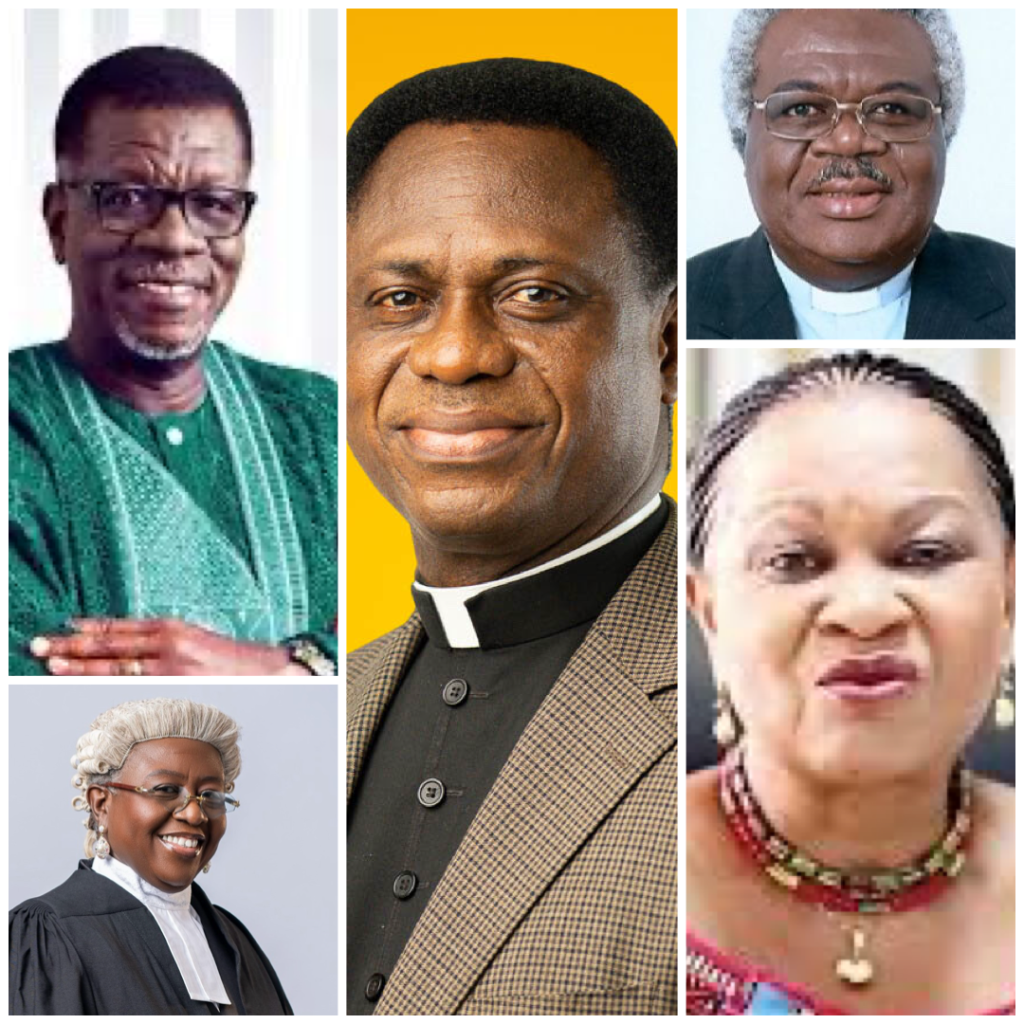
    Growing up, I was always drawn to the powerful sermons of religious leaders who spoke passionately about the intersection of faith and politics. One pivotal moment in my life came in the early 2000s when I made the audacious decision to run away from school to attend one of Dr. Mensah Otabil’s annual programs. The atmosphere was electric, filled with the intense heat of believers eager to hear messages of hope and empowerment.

    During that event, Otabil invited a pastor from a South African country, who was also a politician. Their message was clear and resonant:Christians must take up the mantle of leadership because they are called to be the “salt of the earth.” They passionately preached against complacency, urging us not to allow “uncircumcised Philistines” to govern our lives. This powerful rhetoric sparked a fire within me, inspiring my interest in politics and my desire to make a difference in my community.

    Fast forward to today, I find myself at a crossroads. The very leaders who inspired me to engage in politics now seem to have adopted a selective silence when it comes to holding the current government accountable. I remember the intensity of those sermons and the call to action that resonated with so many of us. It is disheartening to witness a stark contrast between the messages of yesteryear and the current state of affairs.

    It is entirely acceptable for religious leaders to have differing views and affiliations. However, what troubles me is the apparent inconsistency in their voices. When John Dramani Mahama was in power, Otabil, Martey, Afenyi and others were vocal critics of his administration, calling for accountability and justice. Yet, under Nana Addo Dankwa Akufo-Addo, many of these same leaders have remained largely silent, but for a few notable exceptions like the Catholic Church’s stance against illegal mining and the unlawful arrests of protestors.

    This silence is hypocrisy. If we are to believe that men of God are to stand for truth and righteousness, then they must do so regardless of the political party in power. Their voices should not be contingent on who occupies the seat of authority. The teachings I once embraced emphasised the need for Christians to be active participants in governance, to advocate for the marginalised, and to hold leaders accountable.

    As someone who was inspired to enter politics with the intention of being that “salt of the earth,” I struggle to reconcile the silence of these influential figures with the teachings that once motivated me. It is a bitter pill to swallow when the very leaders who encouraged us to engage in the political arena seem to abandon their convictions when it matters most.

    I believe that true leadership, especially within the church, requires courage and integrity. It is not enough to speak out only when it is politically convenient. The challenges facing our nation—corruption, human rights abuses, and environmental degradation—demand a consistent and unwavering moral voice from our religious leaders.

    As we continue to find our way in this complex political landscape, I hope to see a revival of the boldness that once characterised our religious leaders. They have the power to inspire change, to advocate for justice, and to remind us of our responsibilities as citizens. It is time for them to stand by their words and to lead by example, ensuring that their advocacy transcends political affiliations and resonates with the core values of truth and righteousness.

    In this critical moment, I urge my fellow believers and religious leaders to remember the call to be the salt of the earth. Let us not shy away from our responsibilities but instead embrace the challenge of being agents of change in a world that desperately needs it.

    THERE IS STILL HOPE FOR GHANA

    Lord Fiifi Quayle is a Ghanaian citizen and aspiring politician dedicated to promoting social justice and accountability in governance.
    No comments on A Personal Reflection on Faith, Politics, and the Silence of the Pulpit
  • John Mahama’s Engagement with Traditional Leaders in Upper West Region

    October 14, 2024
    Governance

    Date: 14/10/2024

    Lord Fiifi Quayle

    Jirapa, Upper West Region, Ghana

    As part of a three-day tour of the Upper West Region, former President John Dramani Mahama demonstrated an impressive commitment to engaging with traditional leaders on Monday morning. His interactions with the Regional House of Chiefs was not only fulfilling but also highlighted his dedication to addressing the concerns of the people he seeks to serve.

    What stood out during the meeting was his willingness to take the time to receive and respond thoughtfully to all questions posed by the traditional leaders. This level of engagement is commendable and reflects a genuine RESPECT for the voices of local communities. They raised a variety of pressing issues that cut across multiple sectors of the economy, and John Mahama’s attentive responses underscored his understanding of the challenges facing the region.

    During the discussions, He reiterated his vision for a collaborative approach to governance through his first 120 days Social Contract with the people of Ghana. His commitment to “Building the Ghana we want together” resonated strongly with the traditional leaders, who play a vital role in their communities.

    John Mahama’s pledge to nominate a complete list of cabinet ministers for parliamentary approval within the first 14 days of taking office, should he be elected, is particularly noteworthy. Additionally, his promise to establish the “leanest and most efficient government” in the Fourth Republic within the first 90 days demonstrates a clear focus on accountability and effective governance.

    Moreover, his commitment to establishing a robust code of conduct for government officials is a crucial step toward ensuring integrity and accountability in public service. This dedication to transparency is essential for rebuilding trust between the government and the citizens of Ghana. ALL HOPE IS NOT LOST

    The announcement of a National Economic Dialogue also reflects his proactive approach to engaging Ghanaians in discussions about the economy. By creating a platform for open dialogue, he aims to develop a homegrown fiscal consolidation program that addresses the true state of the economy and prepares a sustainable budget.

    John Mahama’s engagement with traditional leaders is a testament to his commitment to inclusive governance and community involvement. His thoughtful responses to their concerns and his clear vision for the future of Ghana are both impressive and encouraging.

    As he continues his tour, it is evident that John Dramani Mahama is dedicated to listening to the people and working collaboratively to RESTORE and BUILD a better Ghana for us all.

    THERE IS STILL HOPE

    No comments on John Mahama’s Engagement with Traditional Leaders in Upper West Region
  • “I Am Because We Are” A redrafted 2009 piece by Lord F Quayle

    October 12, 2024
    Governance

    I am because we are, and we are because you are. It pains me to see that our leaders often resort to begging for aid and turning to the IMF and other nations when challenges arise. The irony is striking: our leaders take pride in their ability to solicit funds, showing little shame in relying on external sources for support.

    What should the youth do to secure a brighter future for our children?

    • We must return to our roots, for it is there that we will find the true fruits of our heritage.

    • We must embrace our responsibilities and obligations, refusing to shift them onto the IMF or other entities.

    In my early years of education, I learned that culture is the way a group of people lives. Yet, I ask, where is our culture today? While it is true that some aspects of our culture may be wrong, we have our conscience to guide us. It is important that we regenerate our values and reject self-contempt and self-rejection.

    We must take control of our destiny rather than allow ourselves to be controlled. The fight against neo-colonialism begins in our minds. Culture is deeply psychological; our past serves as a solid foundation upon which we can build a better future.

    Let us consider the concepts of morality and legitimacy. Whatever we decide to do, will it be legitimate: if so, is it morally right for the future generations to build upon??

    No comments on “I Am Because We Are” A redrafted 2009 piece by Lord F Quayle
  • Upholding Ghanaian Values: The Case for the Promotion of Proper Human Sexual Rights and Ghanaian Family Values Bill

    October 11, 2024
    Governance

    By Lord Fiifi Quayle

    In a world that is increasingly interconnected, nations face the challenge of balancing their cultural heritage with the evolving norms of global human rights. In Ghana, this challenge is exemplified by the ongoing discussions surrounding the “Promotion of Proper Human Sexual Rights and Ghanaian Family Values Bill.” Championed by Hon. Sam George and other supporters, this bill aims to protect the fundamental values that many Ghanaians hold dear while addressing the complexities of modern society.

    At the heart of the bill is a commitment to preserving the rich tapestry of Ghanaian culture and family structures. Supporters argue that traditional family values are essential for social cohesion and moral integrity. By promoting what they define as “proper human sexual rights,” the bill seeks to safeguard the sanctity of family life, emphasising the importance of heterosexual relationships as the foundation of society. This perspective resonates with a significant portion of the Ghanaian populace especially the Christians Muslims and Traditionalists, who view the bill as a necessary measure to protect their cultural identity.

    Propounders of the bill, including Sam George, asserts that it is not merely a legislative measure but a moral peremptory. They argue that the bill is orchestrated to protect children and families from what they perceive as the potential threats posed by the normalisation of LGBTQ+ lifestyles. By establishing clear boundaries around acceptable sexual behaviour, the bill aims to foster an environment that aligns with the values and expectations of the majority of Ghanaians.

    Supporters believe that the bill reflects a proactive approach to governance, where the state takes an active role in promoting societal values that contribute to the common good. This perspective underscores the importance of a cohesive moral framework in navigating the complexities of modern life.

    While the bill has sparked significant debate, it also presents an opportunity for constructive dialogue within Ghanaian society. Advocates like Sam George encourage discussions that prioritise the perspectives of the Ghanaian people, emphasising the need for a legislative framework that reflects local values. This approach fosters an environment where diverse opinions can be heard, and cultural values can be articulated without fear of marginalisation.

    By championing this bill, supporters are advocating for a vision of Ghana that respects its cultural roots while navigating the challenges posed by globalisation. This vision is not about isolation but rather about asserting Ghana’s identity in a world that often pressures nations to conform to external standards.

    Supporters of the bill, including Sam George, stress on the importance of respect and understanding in discussions about human rights and cultural values. They argue that while engaging with the global community is essential, it should not come at the expense of Ghanaian identity. The bill seeks to create a framework that allows Ghanaians to express their values while still participating in international dialogues about human rights.

    In this context, the Promotion of Proper Human Sexual Rights and Ghanaian Family Values Bill can be seen as a reflection of the aspirations of many Ghanaians who wish to protect their cultural heritage while navigating the complexities of a changing world.

    As Ghana continues to engage with global conversations about human rights, the position of Hon. Sam George and the Promotion of Proper Human Sexual Rights and Ghanaian Family Values Bill represents a commitment to preserving the nation’s cultural values. By fostering dialogue that respects local traditions and engages with contemporary challenges, Ghana can carve a path that honours its identity while participating meaningfully in the global community. This approach not only strengthens national unity but also ensures that the voices of all Ghanaians are heard and respected in the ongoing discourse surrounding human rights and cultural values.

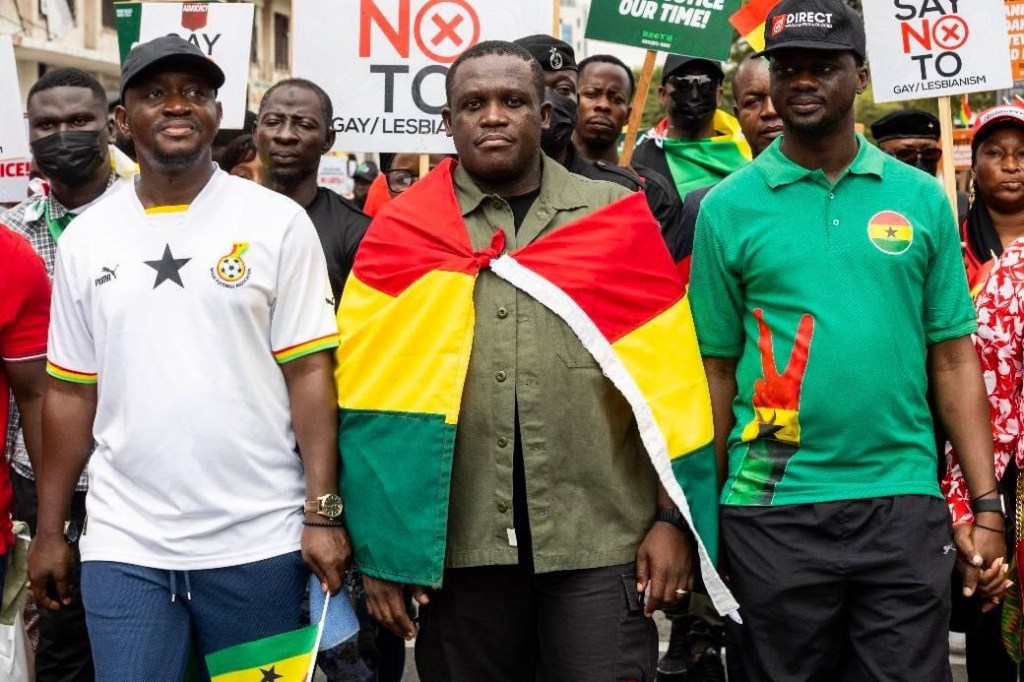
    Hon Sam George at the protest
    No comments on Upholding Ghanaian Values: The Case for the Promotion of Proper Human Sexual Rights and Ghanaian Family Values Bill
  • Tackling Galamsey: Understanding Misconceptions and Seeking Sustainable Solutions for Illegal Mining in Ghana

    October 9, 2024
    Governance

    By Lord Quayle

    Date: 9/10/24

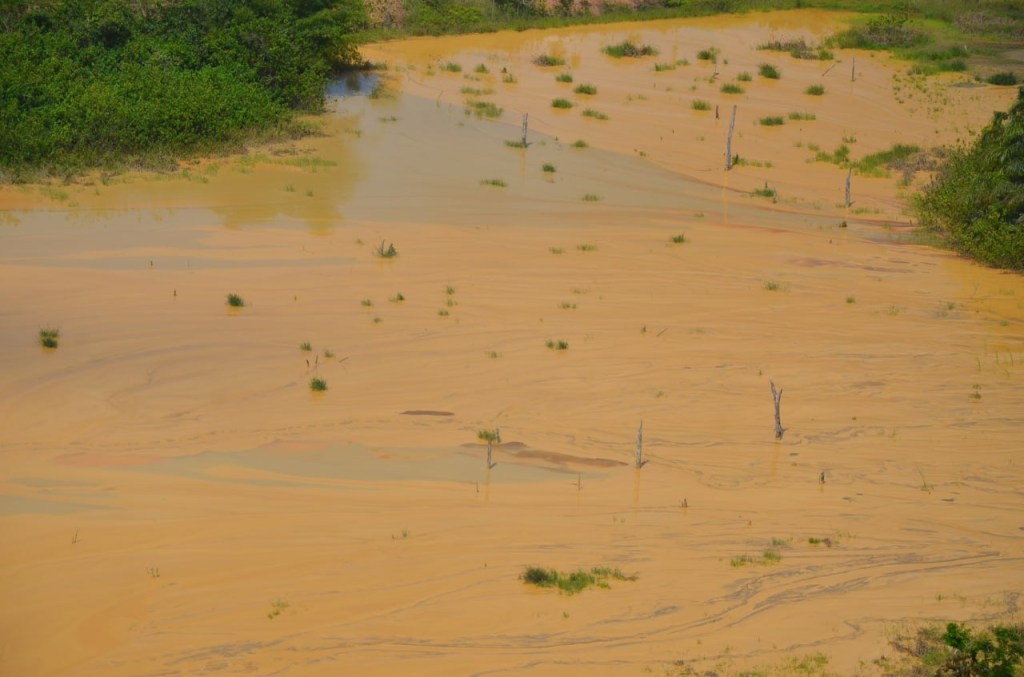
    In recent years, Ghana has grappled with the growing menace of illegal mining, popularly known as “galamsey.” This term often evokes images of environmental degradation, community strife, and economic challenges. However, before effective strategies can be formulated to combat this issue, it is crucial to clarify what constitutes galamsey and address the misconceptions surrounding it.

    Galamsey refers specifically to the illegal extraction of minerals without proper oversight or environmental consideration. In contrast, small-scale miners who obtain the necessary licenses and comply with regulatory frameworks cannot be categorized under this term. Unfortunately, the distinction between legal small-scale mining and galamsey has become increasingly blurred, primarily due to the failure of regulatory bodies to enforce sustainable mining practices.

    The Ghanaian government has issued numerous licenses to small-scale miners with the intention of regulating the industry and promoting responsible mining. However, many of these licensed miners have operated irresponsibly, prioritizing profit over environmental stewardship. This has led to widespread land degradation, pollution of water bodies, and adverse effects on local communities.

    The challenges of galamsey are compounded by a lack of accountability within the mining sector and the NPP government. When Professor Kwabena Frimpong-Boateng, a former Minister of Environment, Science, Technology, and Innovation, raised alarms about the escalating crisis, he was dismissed rather than supported. Moving the menace from bad to worse, underscoring the urgent need for the next government to hold accountable not only the CEO of the Mining Commission but all licensed miners found to be operating irresponsibly.

    Rather than imposing jail sentences, a more constructive approach would be to mandate these individuals to restore degraded lands and engage in afforestation efforts. This initiative could provide employment opportunities for youth involved in mining, ensuring they receive fair wages while contributing to environmental restoration.

    To effectively combat galamsey, sustainable solutions must be implemented. This includes collaboration between mining companies, local communities, and regulatory bodies to develop responsible mining practices. The Mining Commission must take its mandate seriously, enforcing all requirements and conducting routine inspections to ensure compliance with regulations. Additionally, educational programs should be established to inform miners about sustainable practices and the long-term benefits of responsible mining.

    Additionally, a comprehensive mapping of mining locations and companies could facilitate better oversight and resource allocation. By identifying areas at high risk of illegal mining, authorities can target interventions more effectively. Engaging local communities in decision-making processes will also foster a sense of ownership and responsibility, reducing the likelihood of illegal activities.

    In conclusion, addressing the issue of galamsey requires a multifaceted approach that includes clear definitions, accountability, and sustainable practices. By fostering collaboration among stakeholders and emphasizing responsible mining, Ghana can begin to mitigate the detrimental effects of illegal mining while promoting economic opportunities for its citizens. The time for action is NOW, only through concerted efforts can we hope to preserve our environment and secure a sustainable future for generations to come.

    This article was inspired by Ken Kweku Hyiaman

    No comments on Tackling Galamsey: Understanding Misconceptions and Seeking Sustainable Solutions for Illegal Mining in Ghana
  • A Growing Discontent: The Voices of Disappointed NPP Leaders

    October 8, 2024
    Governance

    By Lord Fiifi Quayle

    As we approach another pivotal election, the political landscape is rife with discontent, specifically within the ranks of the New Patriotic Party (NPP). Distinguished party members and founders, including Paul Afoko, Nyaho Tamaklo, Boakye Agyarko, Professor Kwabena Frimpong-Boateng, Alan Kyerematen, Yaw Buaben Asamoah, Nana Ohene Ntow, and Dr. Arthur Kennedy, have voiced their doubtfulness regarding the leadership of President Nana Addo Dankwa Akufo-Addo and Vice President Mahamudu Bawumia. Their concerns raise critical questions about the direction of the NPP and the implications for Ghana’s future.

    Paul Afoko: The Party’s Former Chairman

    Paul Afoko, who once held the esteemed position of NPP Chairman, has been vocal about his disillusionment with the current leadership. Afoko’s term was marred by internal conflicts, and he has since claimed that the party has strayed from its foundational principles. His discontent stems from what he perceives as a lack of inclusivity and transparency in decision-making processes. Afoko argues that the NPP under Akufo-Addo has prioritized Family and Friends over competence, leading to a government that is disconnected from the grassroots.

    Nyaho Tamaklo: The Medical Doctor with Political Insight

    Dr. Nyaho Tamaklo, a founding member of the NPP, has expressed deep concerns about the party’s current trajectory. He argues that the leadership has failed to address critical issues such as corruption and economic mismanagement. Tamaklo believes that the NPP has lost its moral compass, citing numerous scandals that have marred the party’s reputation. His call for ACCOUNTABILITY and INTEGRITY resonates with many Ghanaians who feel that the government has not lived up to its promises.

    Boakye Agyarko: The Former Energy Minister’s Dilemma

    Boakye Agyarko, a former Minister of Energy, was dismissed from his position in 2018 due to his opposition to the government’s energy policies, particularly the controversial decision to terminate the Ameri Energy deal. Agyarko’s dismissal underscores a broader concern that the current administration is resistant to dissenting voices, particularly when it comes to critical policy decisions. He contends that the government has MISMANAGED resources and FAILED to provide SUSTAINABLE SOLUTIONS to energy challenges. Agyarko’s critique is rooted in a belief that the NPP has become complacent, relying on past achievements rather than innovating for the future.

    Professor Kwabena Frimpong-Boateng: The Environmentalist’s Warning

    As a respected academic and former Minister of Environment, Science, Technology, and Innovation, Professor Frimpong-Boateng raised alarms about environmental degradation and the government’s lack of action on climate issues. He was then removed from his ministerial role in 2021, reportedly due to his outspoken views on illegal mining and environmental protection, which clashed with the interests of powerful political figures. Frimpong-Boateng argues that the NPP has neglected critical areas that affect the livelihoods of Ghanaians, particularly in rural communities. His advocacy for sustainable development underscores the need for a government that prioritizes long-term well-being over short-term gains.

    Alan Kyerematen: The Businessman’s Perspective

    Alan Kyerematen, a former Minister of Trade and Industry, left the NPP to form his own political movement, the “Movement for Change,” in 2023. His departure was fueled by his frustration with the party’s internal dynamics and the leadership’s failure to implement policies that foster genuine economic growth. Kyerematen believes that the NPP has failed to create an enabling environment for businesses to thrive, and his move signifies a desire for a political platform that aligns more closely with his vision for Ghana’s economic future.

    Dr. Arthur Kennedy: The Voice of Dissent

    Dr. Arthur Kennedy, a prominent NPP member and former presidential candidate, has been an outspoken critic of the current leadership. He has consistently highlighted issues of governance, corruption, and economic mismanagement, arguing that the party has lost its way. Kennedy’s critiques have often been met with resistance from the party hierarchy, and he has expressed disappointment over the lack of internal dialogue and accountability within the NPP. His advocacy for reform and a return to the party’s core values resonates with many who feel that the NPP is straying from its founding principles. “He is not the Nana Addo we all knew.. he sold his soul for the presidency”

    Yaw Buaben Asamoah and Nana Ohene Ntow: The Youth and Communication Experts

    Yaw Buaben Asamoah and Nana Ohene Ntow, both prominent figures in the NPP’s communication strategy, were dismissed from their roles within the party due to their criticisms of the leadership and their calls for a more inclusive approach to governance. Their expulsion highlights a broader concern that dissenting voices within the NPP are being silenced. They argue that the current leadership has failed the Ghanaian youth, leading to a sense of disenfranchisement. Their insights reflect a broader concern that the NPP risks alienating a demographic crucial for its electoral success.

    A Call for Caution

    The collective voices of these distinguished former and NPP leaders serve as a clarion call for Ghanaians to reflect on the party’s current trajectory. Their concerns about CORRUPTION, ECONOMIC MISMANAGEMENT, ENVIRONMENTAL NEGLECT, and DISCONNECTION from the youth highlight a growing sentiment of disillusionment within the party. As the nation approaches the polls, it is imperative for voters to consider whether the NPP, under its current leadership, can genuinely deliver on its promises.

    In a time when Ghana faces significant challenges, retaining a government that has lost the trust of its own ranks may not be the wisest choice. As history has shown, political parties that stray from their core values often find themselves facing the consequences at the ballot box. Ghanaians must weigh the voices of discontent against the promises of continuity, ensuring that their choice reflects a desire for accountability, transparency, and genuine progress.

    Lord Fiifi Quayle is a political analyst based in Ghana, focusing on governance and electoral dynamics.

    GHANA MUST WORK AGAIN

    No comments on A Growing Discontent: The Voices of Disappointed NPP Leaders
  • Foreign Direct Investments Decline under NPP Governance

    October 5, 2024
    Governance

    By Lord Fiifi Quayle

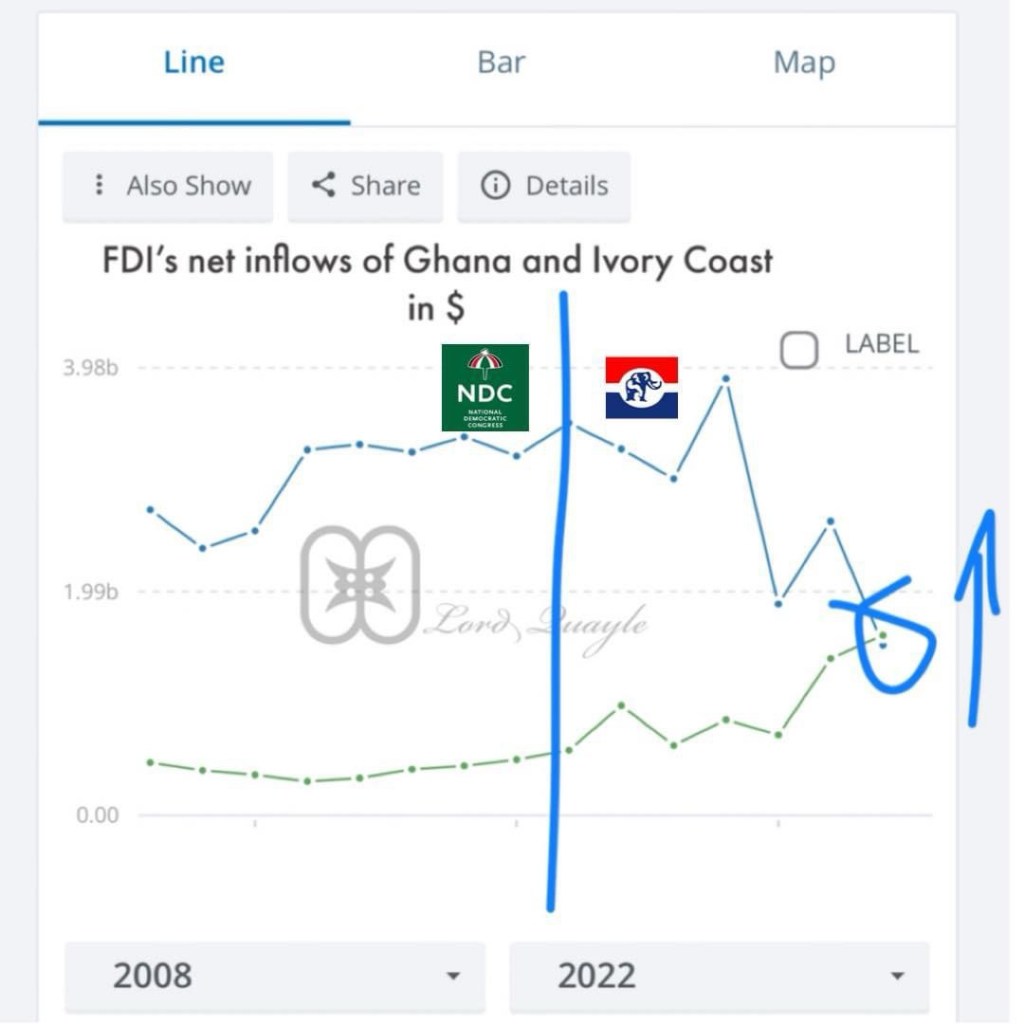
    Ghana is regarded as a beacon of hope in West Africa, particularly in terms of foreign direct investment (FDI). From 2008 to 2016, the country experienced a remarkable surge in FDI, peaking at $3.5 billion in 2016 under the stewardship of the National Democratic Congress (NDC). However, since the New Patriotic Party (NPP) came to power, this positive trajectory has sharply declined, raising major concern about Ghana’s investment environment and economic prospects.

    FDI Trends: A Comparative Analysis

    Data from the World Bank and the Bank of Ghana reveals a stark contrast between Ghana and its neighbor, Côte D’Ivoire. While Ghana’s FDI inflows have plummeted to $1.1 billion in 2021, Côte d’Ivoire has capitalised on a favourable investment environment, achieving $1.8 billion in FDI inflows in the same year. This brings us to the urgent need for reassessment of our economic policies and governance structures.

    Factors Contributing to FDI Decline in Ghana

    1. Inconsistent Government Policies: The NPP’s tenure has been marked by a lack of continuity in economic policies, leading to uncertainty among investors. Frequent changes in regulations have created a perception of instability, discouraging long-term investments.

    2. Regulatory Uncertainty: Bureaucratic hurdles and a convoluted regulatory framework have further complicated the business landscape. Investors often face delays in obtaining permits and licenses, which can significantly hinder their operations.

    3. Corruption and Governance Issues: Corruption remains a significant concern, with reports of graft and mismanagement eroding investor confidence. The perception of a lack of transparency in government dealings has made Ghana a less attractive destination for foreign investors.

    4. Infrastructure Deficiencies: Ghana’s infrastructure, particularly in transportation and energy, has not kept pace with its economic ambitions. Inadequate roads, unreliable power supply, and limited access to essential services pose challenges for businesses seeking to operate in the country.

    5. Currency Instability: The depreciation of the Ghanaian cedi has further compounded the challenges faced by foreign investors. Currency fluctuations can lead to unpredictable costs and reduced profitability, making the market less appealing.

    6. High Tax Burden: The introduction of new taxes and tariffs has added to the financial burden on businesses, prompting some investors to reconsider their commitments to the Ghanaian market.

    7. Skilled Labor Shortages: Despite a growing population, Ghana faces a shortage of skilled workers in key sectors. This lack of human capital can deter foreign companies looking to establish operations in the country.

    Côte d’Ivoire: A Model for Investment Attraction

    In stark contrast, Côte d’Ivoire is successfully implementing policies to create a conducive environment for FDI. The Ivorian government is prioritising infrastructure development, streamlining regulatory processes, and fostering a climate of stability and transparency. These efforts have not only attracted foreign investors but have also facilitated domestic entrepreneurship, resulting in sustained economic growth.

    Conclusion

    The decline in FDI inflows under the NPP’s governance raises many questions about Ghana’s economic strategy and its ability to compete in an increasingly globalised market. As Côte d’Ivoire continues to attract significant foreign investment, Ghana must urgently address its internal challenges to restore investor confidence. Failure to do so may result in a further erosion of its economic standing in the region, jeopardising its potential for growth and development. The time for introspection and reform is now, as Ghana must reclaim its status as a leading investment destination in West Africa.

    No comments on Foreign Direct Investments Decline under NPP Governance
  • Normalizing Corruption, Criminalizing Right : Our forefathers must be weeping

    October 4, 2024
    Governance

    October 4,2024

    “Desires affect structures that change our tendencies to act, the desire of this current government is to break the Ghanaian youth and render us useless.. it has become their core motivation that the idea of free will and justice can not exist in an NPP government”

    In recent years, Ghana’s political landscape has been tainted by a series of corruption scandals that have raised serious questions about the integrity of the ruling New Patriotic Party (NPP). Under the leadership of President Nana Addo Dankwa Akufo-Addo,(the human rights lawyer) what was once a promising administration has increasingly become synonymous with a troubling normalization of corruption and a disturbing trend of criminalizing the very rights of citizens.

    Since taking office in 2017, the NPP has faced numerous allegations of corruption, some of which have sent shockwaves through the nation. One of the most notable scandals is the Ameri Contract Saga, which led to the sacking of Energy Minister Boakye Agyarko. Agyarko was dismissed not for any wrongdoing, but for attempting to uphold transparency in the management of energy contracts, a move that many saw as a direct challenge to entrenched interests within the party.

    The cash for seat scandal also raised eyebrows. Reports surfaced alleging that individuals seeking audience with President Akufo-Addo were often required to pay significant sums of money, effectively creating a paywall for democratic engagement.

    Adding to the list of controversies is the Australian Visa Scandal, where government officials were implicated in a scheme that allegedly exploited their positions for personal gain. This incident further exemplifies the troubling intertwining of politics and corruption within the NPP. Pius Enam Hadzide an appointee of the government was fingered. A flagstaff committee was set up to investigate, he was miraculously found not guilty and cleared.

    The issue of illegal mining, or galamsey, has also been a point of contention. Several government appointees including Ekow Ewusi have been accused of complicity in the illegal mining trade, undermining the government’s own anti-galamsey initiatives and raising questions(Prof Frimpong Boateng) about the commitment of the NPP to combat corruption and protect Ghana’s natural resources. Again Mr Ekow Ewusi was investigated and cleared by the flagstaff investigating unit.

    Perhaps one of the most shocking revelations came from Cecilia Dapaah, the Minister of Sanitation and Water Resources, who was found to have over a million dollars in cash stored in her home. This discovery was particularly jarring given the government’s previous stance against the holding of foreign currency, which had led to the arrest of ordinary citizens for similar offenses. Dapaah’s case highlights a glaring double standard in the application of the law, where government officials appear to operate above the very rules they impose on the populace. Once again the flagstaff investigation unit cleared her.

    The NPP’s administration has also been accused of usurping authority across state organisations, including the judiciary. The ongoing tension between the executive and judiciary branches has manifested in instances where the executive has received bills but has refused to assent to them, raising concerns about the separation of powers and the rule of law in Ghana.

    As these scandals continue to unfold, many Ghanaians are left wondering how a government that once promised to uphold integrity and accountability has devolved into one where the wrong seems to be gradually becoming the right. The NPP’s confusing contradictions and its apparent normalization of corruption stand in stark contrast to the democratic ideals that many citizens hold dear.

    In a country where the voices of its people should reign supreme, the actions of the NPP government serve as a chilling reminder of the fragility of democracy and the importance of vigilance in the face of corruption (Oliver Baker and Ama Governor. As we navigate this tumultuous period, the question remains: will the citizens rise to reclaim their rights, or will the normalization of corruption continue to undermine the very foundations of the Ghana?

    As Ghana moves toward the next election, the electorate will undoubtedly be watching closely, weighing the promises of the NPP against the backdrop of a troubling record that has left many disillusioned. The future of Ghana hangs in the balance, and the need for accountability has never been more urgent.

    It is time to resign the confused contradicts

    No comments on Normalizing Corruption, Criminalizing Right : Our forefathers must be weeping
  • Ghana’s Democratic Dilemma: DEMONSTRATIONS, POVERTY, CORRUPTION AND THE AKUFFO ADDO’s DICTATORSHIP

    September 26, 2024
    Governance

    “If Ghana is to continue being a reference point for the hope of democracy in Africa then Ghana must get it right and must be bold enough to correct and set things right.” This quote from the Danquah Institute serves as a poignant reminder of the responsibility that lies with Ghana’s leaders as the nation marks 31 years of it’s Fourth Republic. This feat, which should be a celebration of democratic resilience, instead highlights a troubling reality: the directive principles of state policy that once galvanized the nation are now increasingly under threat.

    From the 21-23 September 2024, some Ghanaian youth took to the streets to protest against the degradation of the nation’s natural resources and water bodies(stop galamsey). Yet, instead of being lauded for their civic engagement, 39 of these young activists found themselves remanded in custody, facing the heavy hand of a government that seems more interested in silencing dissent than addressing the legitimate concerns of its citizens. This is a stark departure from the democratic ideals that leaders like Nana Akufo-Addo, Charles Wireko Brobbey, and Abdul Malik Kweku Baako once championed.

    The irony is inescapable. Figures who once stood against the oppressive regimes of the past, who rallied against the Value Added Tax and the suffusive corruption of the Rawlings era, now occupy positions of power and influence. They have traded their youthful idealism for a comfortable complicity, allowing the very structures they once opposed to flourish unchecked. Their betrayal is not only a personal one but a collective failure that threatens to undermine the democratic fabric of the nation.

    The tragic deaths of 14-year-old Ahunu Hongar, 17-year-old Jerry Opey, 23-year-old Kwabena Asante, and 43-year-old Richard Awungar during the Kumi Preko demonstration should have served as a wake-up call. Instead, the government’s response has been one of indifference, dismissing the pain and anger of a generation that feels increasingly marginalized and disenfranchised. As the current government turns a blind eye to the lessons of the past, it risks a repeat of the same mistakes that led to the rise of military rule in the first place.

    Yet, there is a flicker of hope. A new generation of Ghanaian youth is rising, emboldened by the struggles of their foregathers. They are not seeking to perpetuate a cycle of dysfunctional party polarization but to forge a democracy that delivers tangible benefits for all. This is a democracy that must prioritize the strengthening of institutions, respect for the judiciary and legislature, and a renewed commitment to transparency and accountability.

    As Ghana stands at this critical juncture, it is important for leaders to reflect on their roles in shaping the future of the nation. The time is now for bold action and genuine engagement with the youth—those who are not only the leaders of tomorrow but the catalysts for change today. If Ghana is to reclaim its status as a beacon of democracy in Africa, it must rise to the occasion and ensure that the toils of our forefathers are honored through meaningful action and reform.

    In the words of the Danquah Institute, Ghana must get it right. The path forward requires courage, introspection, and a steadfast commitment to the principles that underpin a truly democratic society. Only then can the nation restore the hope that its youth have lost, and reclaim its rightful place as a model of democratic governance on the continent.

    GHANA MUST RISE AGAIN

    No comments on Ghana’s Democratic Dilemma: DEMONSTRATIONS, POVERTY, CORRUPTION AND THE AKUFFO ADDO’s DICTATORSHIP
  • A Comparative Analysis of John Dramani Mahama and Dr. Mahamudu Bawumia: Leadership, Experience, and Service to Ghana

    September 24, 2024
    Governance

    In the current political landscape of Ghana, two prominent figures stand out: John Dramani Mahama of the National Democratic Congress (NDC) and Dr. Mahamudu Bawumia of the New Patriotic Party (NPP). Both has made significant contributions to Ghana, but their backgrounds and experiences present a stark contrast that shapes their leadership styles and political ideologies. This piece seeks to explore their lives, laying more emphasis on Mahama’s extensive political experience and community-oriented values compared to Bawumia’s relatively brief political career and academic focus.

    John Dramani Mahama: A Journey Through Politics

    John Dramani Mahama’s political journey is a testament to a lifetime of dedicated public service. Starting as an assemblyman, he gradually ascended through the ranks of Ghana’s political system, he served as a Member of Parliament, a minister, and eventually the Vice President before becoming the President of Ghana. This trajectory has endowed him with an enormous understanding of the intricacies of governance and the needs of the Ghanaian populace.

    His extensive experience is complemented by his commitment to agriculture, as he is also a farmer. His hands-on approach to farming reflects his vast understanding of the challenges faced by rural communities and food production in Ghana. Allowing neighbors to use his ploughing machines, harvesters, tractors etc, Mahama demonstrates a spirit of communal support and resource sharing, fostering goodwill and cooperation within his community.

    Educationally John Dramani Mahama completed all his schooling in Ghana, which equips him with a nuanced understanding of the local context. He is well-versed with the socio-economic challenges faced by Ghanaians, making him a leader who can empathize with the struggles of ordinary citizens. His experience in various political roles has also cultivated a network of relationships and insights that are invaluable in governance.

    Dr. Mahamudu Bawumia: The Economic Wizkid

    In contrast, Dr. Mahamudu Bawumia’s political career is relatively nascent. As he is celebrated for his academic achievements and expertise in economics, having spent much of his early career abroad, his transition into Ghanaian politics has been marked by a rapid rise facilitated by his appointment as Vice President under Nana Akufo-Addo. Often referred to as an “economic wizkid,” critics argue that his LIMITED POLITICAL EXPERIENCE hampers his effectiveness as a leader.

    Bawumia’s tenure at the Bank of Ghana, while notable, did not provide him with the same depth of political engagement that Mahama has amassed over the years. His primary focus was on economic policy rather than the broader spectrum of governance, which includes understanding the political landscape, building consensus, and responding to the diverse needs of constituents. Critics contend that Bawumia’s academic prowess does not fully translate into the political arena, where experience and relational dynamics play crucial roles.

    Experience vs. Academic Acumen

    In conclusion, while both John Dramani Mahama and Dr. Mahamudu Bawumia have their strengths, Mahama’s extensive political experience, commitment to community service, and grounded understanding of Ghanaian society position him as a more seasoned leader. His journey from assemblyman to president illustrates a deep-rooted commitment to public service, while his agricultural endeavors reflect a genuine concern for the welfare of his fellow citizens.

    On the other hand, Bawumia, despite his economic expertise, has not yet showed the same level of political EXPERIENCE and COMMUNITY ENGAGEMENTS. His rapid ascent, while impressive, raises questions about his preparedness to address the diverse challenges facing Ghana.

    As we consider leadership options, Mahama’s COMPREHENSIVE EXPERIENCE and COMMUNITY -ORIENTED VALUES may resonate more with voters seeking a leader who truly UNDERSTANDS their NEEDS and ASPIRATIONS.

    GHANA MUST WORK AGAIN

    No comments on A Comparative Analysis of John Dramani Mahama and Dr. Mahamudu Bawumia: Leadership, Experience, and Service to Ghana
Previous Page
1 … 9 10 11 12 13
Next Page

Blog at WordPress.com.

Lord Fiifi Quayle

Power. Dignity. Africa. Essays and articles by Lord Fiifi Quayle on politics, economy, and the African condition.

  • About
  • Pictures
 

Loading Comments...
 

    • Subscribe Subscribed
      • Lord Fiifi Quayle
      • Already have a WordPress.com account? Log in now.
      • Lord Fiifi Quayle
      • Subscribe Subscribed
      • Sign up
      • Log in
      • Report this content
      • View site in Reader
      • Manage subscriptions
      • Collapse this bar