• John Mahama Engages Clergy in Kumasi

    November 11, 2024
    Governance

    By Lord Fiifi Quayle

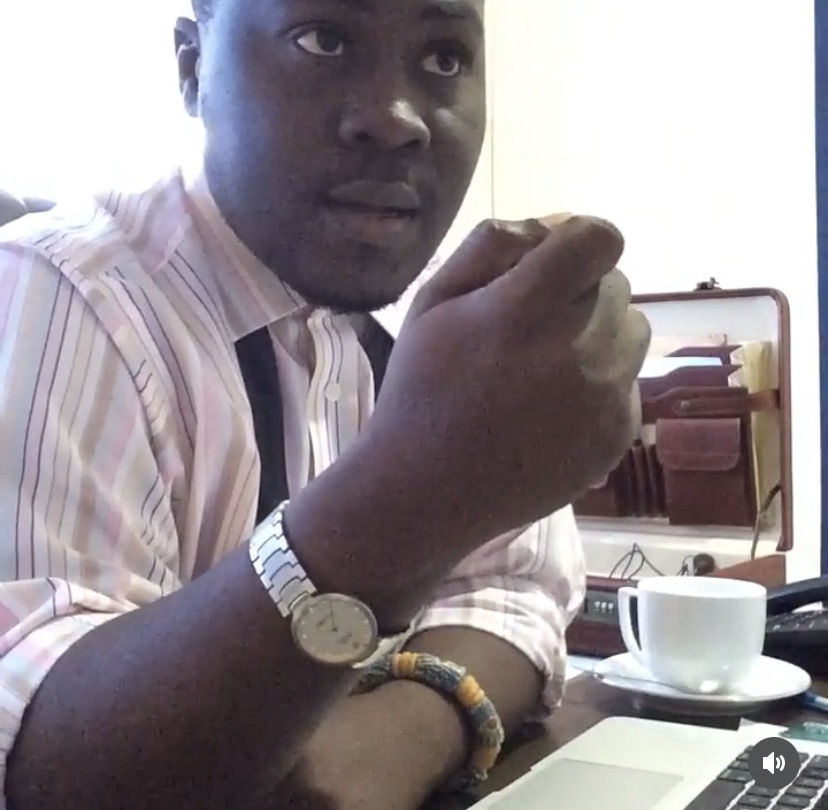
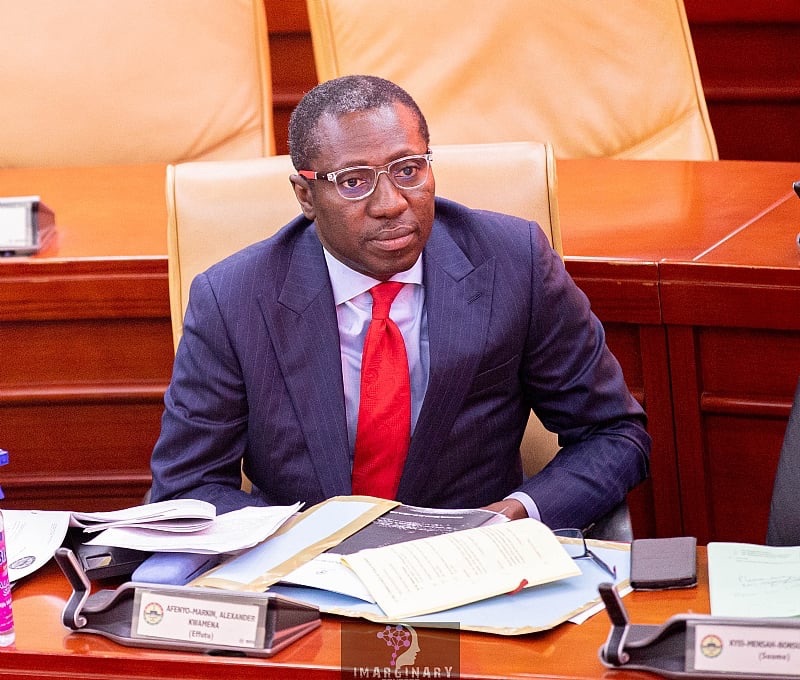
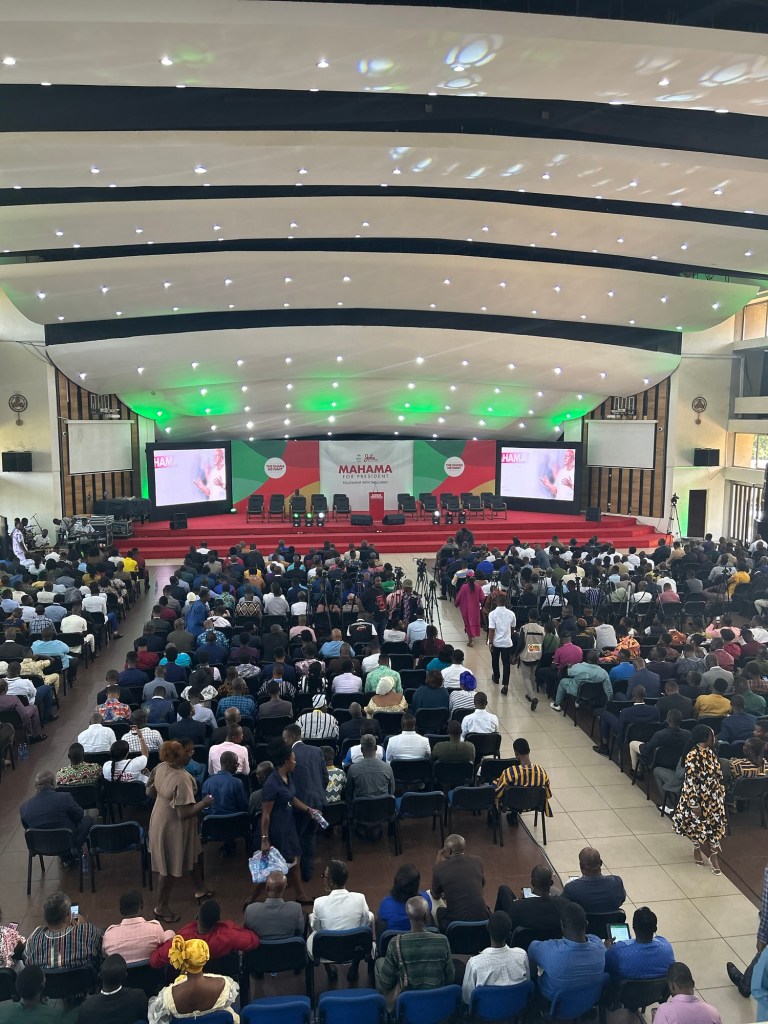
    Kumasi, Ghana – In a heartfelt gathering at the Great Hall of the Kwame Nkrumah University of Science and Technology (KNUST), former President John Mahama shared a platform with the clergy to discuss pressing national issues and the way forward for Ghana. The event, which commenced with uplifting praises and worship led by renowned musician JAK ALOLOME, set a tone of hope and unity as Mahama addressed a captivated audience.

    In his opening remarks, Mahama drew on the metaphor of a “retired general,” emphasizing the need for experienced leadership in times of crisis. “In times of battle, we sometimes fall on retired generals to defeat our enemies, and at this juncture, I am the retired general needed to rescue Ghana,” he declared, resonating with a crowd eager for change.

    The former president did not shy away from addressing the stark economic realities facing the nation. He expressed deep concern over Ghana’s current financial state, stating, “We are bankrupt currently, and it would be detrimental to leave our economy in the hands of those who led us into this bankruptcy.” His emotional appeal highlighted the struggles of ordinary Ghanaians, particularly as the nation grapples with a challenging debt restructuring program. 

    Mahama lamented the government’s assurances that no “haircuts” would occur, only to witness the erosion of trust as even government bonds—once deemed safe—were affected. He poignantly noted the toll this has taken on the elderly, with some suffering grave health consequences.

    Addressing the persistent issue of “Dumsor,” Mahama criticized the government’s refusal to acknowledge the ongoing energy crisis. He highlighted the significant debts owed to critical energy providers such as Ghana Gas, ENI, and Sunon Asogli, which has already shut down 560 megawatts of its plant. This situation poses considerable challenges for the next administration, he warned, as it will inherit a beleaguered energy sector.

    Mahama also pointed to alarming inflation rates, referencing World Bank reports that rank Ghana among the nations with the highest food inflation globally. Such economic pressures have fostered disillusionment among the youth, many of whom have expressed a desire for military rule over the current democratic system. In response, Mahama assured the younger generation that efforts would be made to strengthen institutions and ensure they function independently of government interference. He emphasized the need for a constitutional review to reinforce democratic governance.

    In a move to foster national unity, Mahama proposed A NATIONAL DAY OF PRAYER to give thanks for the blessings the nation has received. This initiative would be carried out in collaboration with religious institutions, which he commended for their invaluable contributions to education and community service, including the establishment of basic and secondary schools. 

    He urged churches to focus on vocational and technical education, promising that the next NDC government would prioritize the establishment of more vocational and technical schools.

    Mahama encouraged churches to invest in income-generating projects such as farms and livestock, suggesting that they could even establish factories close to agricultural operations. 

    On fiscal responsibility, Mahama announced plans for austerity measures aimed at reducing government expenditure. He committed to intensifying the fight against corruption, vowing that his administration would work tirelessly to recover looted assets without government interference. 

    He pledged that his government would work diligently to repay those who invested in government bonds sooner than anticipated, emphasizing the importance of retaining the trust of Ghanaian citizens and preventing the loss of illustrious figures like Michael Agyekum Ado.

    Turning to the topic of LGBTQ+ rights, Mahama criticized the government’s perceived inaction, suggesting that there is a deliberate effort to stall the legislative process surrounding the bill. He assured Ghanaians of his commitment to family values, stating, “I will assent to the bill that promotes family values.” 
    He proposed a collaborative solution to the ongoing parliamentary impasse, advocating for dialogue among party leaders, the Speaker, the Christian Council, and other stakeholders to amicably resolve the matter.

    The gathering also addressed the issue of illegal mining, with Mahama advocating for sustainable practices that would benefit both the environment and the economy. “We must find a healthy way of mining that respects our land and our people,” he urged, calling for a balanced approach to resource extraction.

    In closing, Mahama reassured the audience that despite the current turmoil, the National Democratic Congress (NDC) is committed to restoring order and prosperity to Ghana. He concluded, leaving attendees with a sense of hope and determination for the future.

    As the event wrapped up, the atmosphere was charged with a renewed sense of purpose, reflecting Mahama’s call for unity and collective action in addressing the challenges facing Ghana today. The engagement with the clergy underscored the importance of faith in navigating the nation’s path forward, a sentiment that resonated deeply within the walls of the Great Hall.

    THERE IS STILL HOPE FOR GHANA
    No comments on John Mahama Engages Clergy in Kumasi
  • The Constitution Is Not Our Priority: The NPP’s 8th Parliament,You Must Do What We Say Economy

    November 10, 2024
    Governance

    By Lord Fiifi Quayle

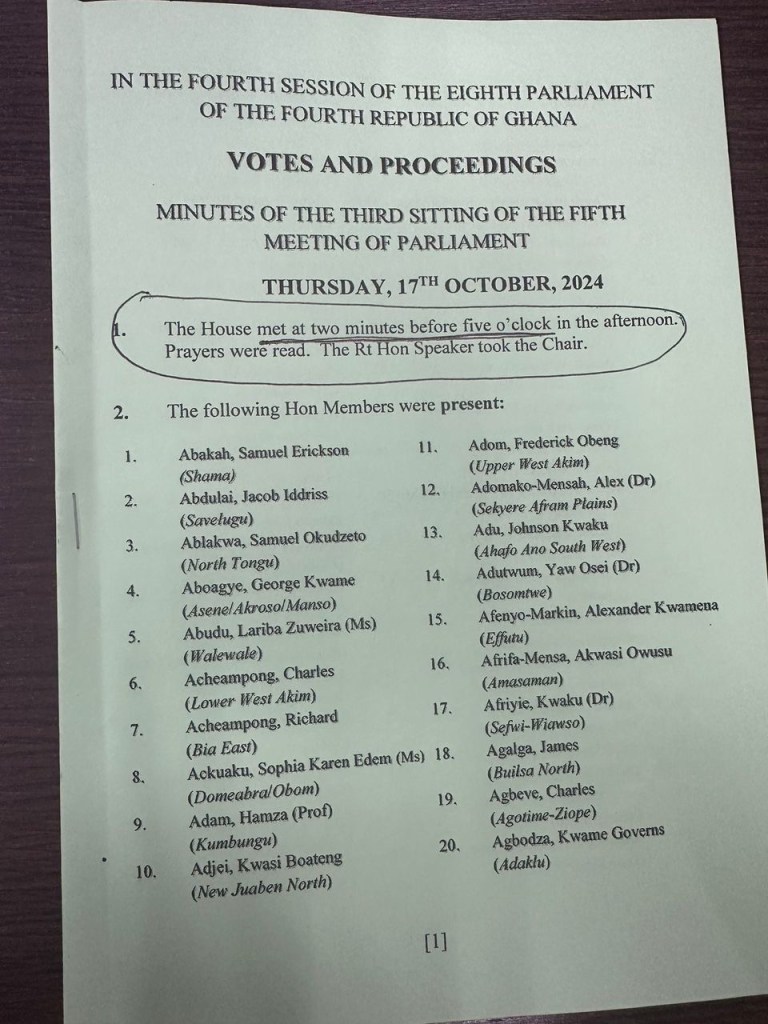
    Since its establishment in 1992, Ghana’s Fourth Republic has been celebrated as a model of democratic resilience in West Africa. However, the recent developments within the Eighth Parliament raise urgent concerns about the integrity of our democratic institutions. The 2020 elections marked a historic shift, resulting in a split Parliament where the ruling New Patriotic Party (NPP) and the opposition National Democratic Congress (NDC) held an equal number of seats, alongside an independent candidate. This unprecedented balance ignited hopes that Parliament would finally serve as a robust check on executive power. Unfortunately, the reality has exposed alarming weaknesses that threaten the very foundations of our democracy.

    Initially, the Eighth Parliament was seen as a potential bulwark against executive overreach. With the Speaker elected from the opposition and committees evenly divided, many anticipated a new era of accountability. Yet, three years into this split legislature, the anticipated checks and balances have largely failed to materialize. While there have been moments when Parliament has stood firm—such as the rejection of certain loan requests and the budget for the redevelopment of the Accra International Conference Centre—these instances have been overshadowed by a troubling pattern of capitulation to executive authority.

    The situation has grown increasingly concerning with the involvement of the Ghana Army in parliamentary affairs. Twice, military personnel have intervened in what should be purely legislative matters, raising alarms about the potential for a return to military rule. Such interventions are not only a stark reminder of Ghana’s turbulent past but also a sign of the deepening dysfunction within our democratic institutions. If a member of the military had chosen to escalate tensions, the consequences could have been dire for our democracy.

    The absence of Adwoa Sarfo, a prominent MP, for months—during which an imposter was brought in to act on her behalf—further underscores the troubling state of affairs. This blatant disregard for democratic norms signifies a government willing to bend the rules for its selfish interests. Such actions undermine the very essence of representation and accountability that democracy demands.

    Moreover, what happened between Carlos Ahenkorah and Honorable Muntaka exemplifies the fracturing of democratic discourse within Parliament. Ahenkorah’s behavior and his willingness to undermine parliamentary decorum while serving the government’s interests did not only escalate tensions but also erode public trust in the legislative process. This kind of behavior is not merely a personal failing; it is indicative of a broader trend where partisan loyalty supersedes the commitment to democratic principles.

    The Eighth Parliament has also failed to address significant issues of absenteeism among MPs, with many members missing a substantial number of sittings. Attempts to hold these members accountable have stalled, reflecting a broader malaise within the institution. Furthermore, the Parliament’s challenges to act decisively regarding the Minister of Finance, Ken Ofori-Atta, amid widespread calls for accountability for the country’s economic woes was particularly disheartening. Despite a bold call from 98 ruling party MPs for the president to sack Ofori-Atta, intervention from party leadership led to a backtrack, illustrating the pervasive influence of party politics over accountability. Eventually he was dismissed, few months to elections.

    Perhaps most concerning is the Eighth Parliament’s failure to effectively monitor public expenditure. The Auditor-General’s 2021 report flagged GHS 17.4 billion in financial irregularities, yet Parliament has not taken meaningful action to address these findings. For the first time and perhaps since independence the 2022 budget was rejected, it took the executive and party machinery to get the budget approved. The lack of accountability in handling public funds not only undermines public trust but also raises questions about the very purpose of Parliament.

    In light of these challenges and more, it is imperative for leaders like Afenyo Markins, the president, and the judiciary to prioritize the preservation and defense of Ghana’s democracy. Instead of engaging in unnecessary drama, they must commit to fostering a culture of accountability and transparency. Afenyo Markins, as the leader of government business, has a crucial role to play in ensuring that Parliament functions as a genuine check on executive power. The president must recognize that true leadership lies in unifying the country and addressing the concerns of all Ghanaians, not merely those of the ruling party.

    The judiciary, as a pillar of democracy, must also uphold the rule of law and ensure that its decisions reflect impartiality and justice. When the judiciary appears to be swayed by political interests, it further erodes public trust in democratic institutions.

    The Eighth Parliament stands at a critical juncture. The initial promise of a balanced legislature has been overshadowed by a series of disappointments, particularly in its capacity to hold the executive accountable. The time has come for Parliament to reclaim its role as the guardian of democracy in Ghana. With few days remaining in this parliamentary term, there is an urgent need for a renewed commitment to integrity, transparency, and public service. Only by doing so can Ghana restore faith in its democratic institutions and ensure that the voices of its citizens are heard and respected. The future of Ghana’s democracy depends on it.

    Article (1) of the 1992 Constitution of Ghana provides: “(1) The Sovereignty of Ghana resides in the people of Ghana in whose name and for whose welfare the powers of government are to be exercised in the manner and within the limits laid down in this Constitution.

    THERE IS STILL HOPE FOR GHANA
    No comments on The Constitution Is Not Our Priority: The NPP’s 8th Parliament,You Must Do What We Say Economy
  • Outwitting the Devil: A Youth’s Perspective on Overcoming Ghana’s Economic Crisis

    November 7, 2024
    Governance

    By Lord Fiifi Quayle

    Introduction

    As a Ghanaian youth, I find myself at a crossroads, witnessing the challenges our nation faces amid an economic crisis. Rising inflation, a depreciating currency, and increasing unemployment have created an atmosphere of uncertainty and anxiety for many young people. However, drawing inspiration from Napoleon Hill’s “Outwitting the Devil,” I believe we can harness our collective potential to overcome these obstacles and build a brighter future for ourselves and our country.

    The Reality of Ghana’s Economic Landscape

    The current economic situation in Ghana is daunting. Many of my peers struggle to find stable employment, while those who are employed often face stagnant wages that do not keep pace with the cost of living. The fear of failure looms large, stifling our ambitions and discouraging us from pursuing entrepreneurial ventures. Yet, within this adversity lies an opportunity for transformation—a chance for us, the youth, to take charge and redefine our economic destiny.

    Defining Our Purpose

    One of the key lessons from “Outwitting the Devil” is the importance of having a definite purpose. As young Ghanaians, we need to come together to articulate a clear vision for our future. This means identifying our passions, skills, and the unique contributions we can make to our society. Whether it’s in technology, agriculture, arts, or entrepreneurship, we must embrace our individual and collective strengths to drive change.

    We can start by engaging in community discussions, workshops, and forums that allow us to share ideas and collaborate on initiatives that address local challenges. By establishing a shared purpose, we can create a movement that empowers us to take action and inspire others to join in.

    Conquering Fear and Self-Doubt

    Fear is often the greatest barrier to success. Hill’s exploration of fear in “Outwitting the Devil” resonates deeply with me and many of my peers. The fear of failure, rejection, and economic instability can be paralysing, preventing us from taking risks and pursuing our dreams. However, we must recognise that fear is a natural part of the journey.

    To combat this, we can cultivate a culture of support and encouragement among ourselves. By sharing our experiences and challenges, we can create a network of resilience. Mentorship programs can connect aspiring entrepreneurs with experienced leaders who can provide guidance and reassurance. We need to remind each other that every setback is a stepping stone to success and that our dreams are worth pursuing, despite the risks.

    Embracing Innovation and Creativity

    The world is changing rapidly, and so must we. Hill emphasises the importance of adaptability and innovation, and as Ghanaian youth, we are uniquely positioned to leverage technology and creativity to our advantage. The digital economy offers us a wealth of opportunities to create jobs and drive economic growth.

    We should embrace entrepreneurship and explore avenues such as e-commerce, digital marketing, and tech startups. By harnessing our creativity and tech-savviness, we can develop solutions that address local problems and contribute to the national economy. Initiatives like hackathons, innovation hubs, and startup incubators can provide platforms for us to collaborate, learn, and bring our ideas to life.

    Fostering a Positive Mindset

    A positive mental attitude is crucial for overcoming challenges. Hill’s assertion that our mindset shapes our reality rings true, especially in times of crisis. As young people, we must cultivate optimism and resilience, not only for ourselves but also for our communities.

    We can start by celebrating our successes, no matter how small, and sharing stories of individuals who have triumphed against the odds. Social media can be a powerful tool for amplifying these narratives, inspiring others to take action and pursue their goals. Additionally, engaging in community service and volunteer work can foster a sense of purpose and connection, reinforcing the idea that we are stronger together.

    Conclusion

    I believe that we possess the power to outwit the challenges posed by our current economic crisis. By defining our purpose, conquering fear, embracing innovation, and fostering a positive mindset, we can create a resilient and thriving future for ourselves and our nation.

    It is time for us to rise to the occasion, take ownership of our destinies, and work collaboratively to build a Ghana that reflects our aspirations. The journey may be difficult, but with determination and a united front, we can transform adversity into opportunity and emerge stronger than ever. Let us embrace the lessons from Napoleon Hill’s “Outwitting the Devil” and become the architects of our economic future.

    THERE IS STILL HOPE FOR GHANA
    No comments on Outwitting the Devil: A Youth’s Perspective on Overcoming Ghana’s Economic Crisis
  • The NDC Is Winning This Elections On It’s Own Merits And Not Because Of Donald Trump’s Reelection

    November 7, 2024
    Governance

    By Lord Fiifi Quayle

    As we reflect on the recent electoral victories of Donald Trump and the Republican Party, it’s crucial for the National Democratic Congress (NDC) in Ghana to take note of the lessons embedded in their success. The Republicans triumphed not merely through luck but through a steadfast commitment, relentless dedication, and a strategic approach that left little room for complacency. This is a model that we, too, must embrace as we prepare for our own upcoming elections.

    While it is tempting to draw parallels between the political landscapes of the United States and Ghana, we must ground our aspirations in our own realities. The NDC has been working diligently, and we have made significant strides. However, it is essential to recognize that our victory will not come from any superstitious belief that links Trump’s re-election to ours. Instead, our success will be rooted in our own merits and the hard work we put into connecting with the electorate.

    One of the most pressing challenges we face is the lack of informed voters within our population. Many Ghanaians do not fully understand the intricacies of governance and the responsibilities that come with it. This knowledge gap can hinder our ability to mobilize support and effect meaningful change. Therefore, it is imperative that we increase our efforts to educate and engage our constituents about the importance of informed voting and the impact of government policies on their daily lives.

    Under the leadership of Chairman Asiedu Nketia, the NDC is employing a multifaceted strategy that draws on the strengths of our dedicated team. Key figures like Professor Jane Naana Opoku Agyemang, Hon. Alex Segbefia, Comrade Sammy Gyamfi, and Majority Leader Ato Forson are all playing vital roles in galvanizing support across the nation. With the backing of George Opare Addo and the Green Army, our grassroots mobilization efforts are gaining momentum.

    Moreover, we have the invaluable contributions of seasoned leaders such as Professor Joshua Alabi, Hon. Julius Debrah, Joyce Bawah Mogtari, Hon. Fifi Fiavi Kwettey, and Stan Dogbe, all of whom are actively manning different regions and campaigning towards the elections. Their collective experience and commitment to our cause are invaluable assets that will help us reach voters and articulate our vision for a better Ghana.

    The stakes are high, and the need for a collective effort has never been more urgent. Ghana is at a crossroads, and the NDC stands ready to lead the charge toward a brighter future. Let us not shy away from the hard work ahead. Instead, let us embrace it with open arms, knowing that together, we can create a better Ghana for all.

    While we acknowledge the recent successes of our counterparts across the globe, we must remain focused on our own path. Our victory will be achieved through our dedication, our strategy, and our unwavering belief in John Dramani Mahama to spearhead the rescue mission Ghana desperately needs. The time to act is now—let us come together and make our voices heard.

    THERE IS STILL HOPE FOR GHANA
    No comments on The NDC Is Winning This Elections On It’s Own Merits And Not Because Of Donald Trump’s Reelection
  • The Economic Dilemma: Why Dr. Bawumia Can’t Answer Mahama’s 5 Questions

    November 5, 2024
    Governance

    By Eugene Bawelle

    There’s obvious reason for which Dr Bawumia cannot answer any of the questions President Mahama posed to him on the economy. And who could have imagined that today, Dr Bawumia can run away from issues on the macroeconomy.

    The reason is that our current macroeconomic data will not support any position that Dr Bawumia has been a good manager of the economy. He has woefully failed on the things he made us believe he was good at.

    As at the end of September 2024, inflation stood at 20.4%, up from the 15.8% Mahama left it in 2016. Indeed, at a point in 2022, inflation went as high as 54%, the highest since 1995.

    Ghana’s total public debt stood at 761.2 billion cedis in September 2024, an increase of more than GHS 641 billion from the 120.1 billion Mahama left it in 2016.

    The exchange rate is perhaps the biggest indicator which has exposed Dr Bawumia as Head of the Economic Management Team. Today, one needs in excess of 17 cedis to get a dollar. Under Mahama, you needed 4.2 cedis to get a dollar in 2016. Indeed, analysts have maintained that the dollar would have sold for not less than 25 cedis to a dollar if Ghana were paying its external debts which we’ve defaulted on since 2022.

    Other indicators such as the capital expenditure as a percentage of GDP, gross international reserves, balance of payments as a percentage of GDP, monetary policy rate, average lending rate etc have all pointed to a worrying performance under Dr Mahamud Bawumia.

    No comments on The Economic Dilemma: Why Dr. Bawumia Can’t Answer Mahama’s 5 Questions
  • Navigating Ghana’s Economic Crossroads: A Call for Credibility and Reform

    October 27, 2024
    Governance

    By Lord Fiifi Quayle | 27th October 2024

    Ghana’s economy is at a critical juncture, grappling with the aftermath of the COVID-19 pandemic and a series of fiscal missteps that have led to a crisis of confidence among investors and international financial institutions. As the country seeks to stabilize its economy, the role of credible leadership, particularly from the finance minister, cannot be overstated. The market’s perception of Ghana’s economic fundamentals is heavily influenced by this credibility, which has fluctuated in recent years.

    Following the initial shock of the pandemic, Ghana appeared to be on a recovery path, buoyed by significant financial support from the International Monetary Fund (IMF). In 2020, the IMF recognized the government’s efforts and provided substantial funding to cushion the economy. However, by 2021, the narrative had shifted dramatically. The market lost faith in the government’s economic strategy, leading to a downgrade in the country’s credit rating. This downgrade was attributed to a fundamental misalignment in fiscal policy, where short-term debt was utilized for long-term planning, undermining the very projects that were intended to stimulate sustainable growth.

    The current government’s approach to borrowing has raised eyebrows. Capital-intensive projects, which are essential for long-term economic development, were overshadowed by a tendency to use borrowed funds for consumption purposes. This misallocation of resources has not only strained public finances but has also eroded the credibility of the government in the eyes of both domestic and international stakeholders. The stark reality is that one cannot disregard the assessments of rating agencies and the IMF. When the government selectively praises these institutions, it raises questions about its commitment to fiscal discipline.

    Despite a recent change in the finance minister(a move initiated by the opposition NDC due to his poor performance), the economic landscape remains largely unchanged. This transition, while symbolically significant, has not translated into the much-needed policy shifts or strategic reforms that the market has been yearning for. Investors are still left questioning whether the new leadership will bring about the accountability and credibility that have been sorely lacking. The government must demonstrate that it is serious about addressing the core issues, rather than merely shifting personnel without a corresponding shift in policy direction.

    Adding to the growing discontent among the populace, the government initially assured citizens that there would be no “haircuts” on existing debts and investments. However, it has since embarked on measures that effectively constitute haircuts, impacting not only government bonds but also personal savings and investments. This breach of trust has further alienated the public and investors alike, as many are left grappling with the reality that their financial security has been compromised. Such actions undermine the government’s credibility and raise significant concerns about its commitment to protecting the savings and investments of its citizens.

    As Ghana navigates this turbulent economic landscape, the need for a coherent and credible economic strategy is paramount. The National Democratic Congress (NDC), as a potential alternative government, must present a robust performance improvement plan that addresses the pressing issues of debt management and fiscal responsibility. Engaging in bilateral discussions with creditors is essential to renegotiate terms and establish a clear pathway for repayment. This is a crucial step toward restoring investor confidence and stabilizing the economy.

    Austerity measures, while politically sensitive, are unavoidable. The government must prioritize expenditure management, focusing on essential services and infrastructure while cutting back on non-essential spending. This disciplined approach will demonstrate a commitment to fiscal responsibility and help regain the trust of both domestic and international investors.

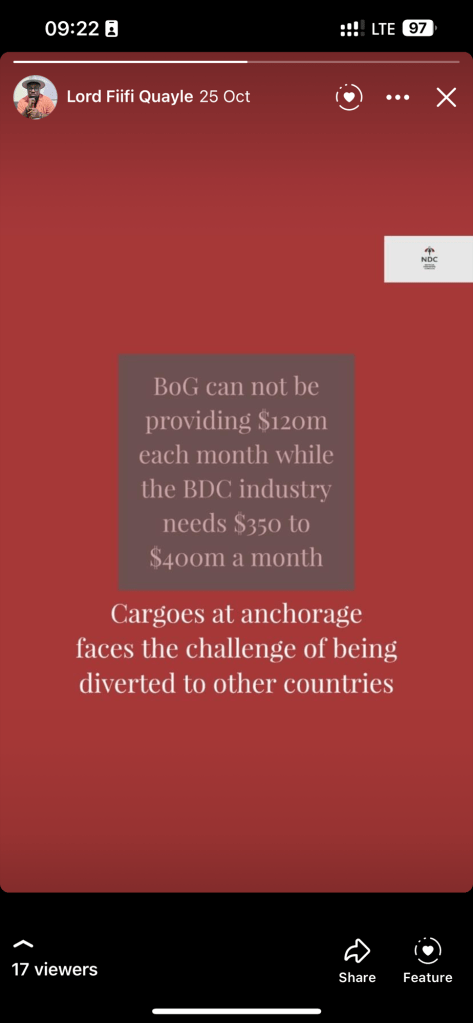
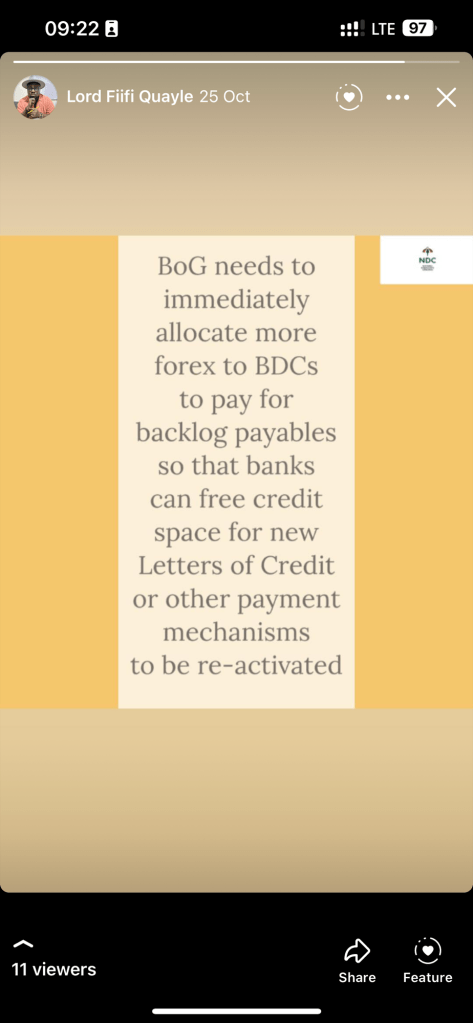
    Furthermore, the banking sector plays a vital role in this recovery process. Financial institutions must be empowered to provide credit lines and support for businesses, particularly in times of economic strain. The management of interest rates will also be critical, as high borrowing costs can stifle growth and investment. A collaborative approach between the government and banks will be necessary to facilitate access to credit, enabling businesses to thrive and contribute to economic recovery.

    In conclusion, Ghana stands at a crossroads, with the potential for recovery contingent on the government’s ability to restore credibility and implement sound economic policies. The lessons learned from the past few years underscore the importance of fiscal discipline, transparent communication, and a commitment to engaging with international financial institutions. As the nation looks to the future, it must embrace a path of reform that prioritizes sustainable growth and investor confidence, ensuring that Ghana can emerge stronger from this economic crisis. Without genuine change in policy direction and a commitment to accountability, the hopes for a revitalized economy may remain just that—HOPES. The government must act decisively to regain the trust of its citizens and investors, or risk deepening the economic malaise that currently plagues the nation.

    THERE IS STILL HOPE FOR GHANA

    Last year’s crisis with the BDC’s and BOG
    No comments on Navigating Ghana’s Economic Crossroads: A Call for Credibility and Reform
  • Ghana: A Journey from Independence to Uncertainty

    October 24, 2024
    Governance, History

    Introduction

    On March 6, 1957, Ghana became the first African country to gain independence from colonial rule, championing a new era of self-governance and hope. Leading was Dr. Kwame Nkrumah, a visionary leader whose dreams of a prosperous, united, and self-reliant nation inspired a generation. However, over six decades later, Ghana finds itself grappling with economic challenges, political disillusionment, and a crisis of identity. The current administration under President Nana Akufo-Addo and Vice President Dr. Mahamudu Bawumia has exacerbated these issues, leading many to question the direction of the nation.

    Nkrumah’s Vision for Ghana

    Nkrumah’s vision for Ghana was ambitious. He sought to establish a nation that would be a beacon of hope for the African continent, advocating for pan-Africanism and economic independence. His administration embarked on a series of infrastructural and educational initiatives aimed at transforming Ghana into a self-sufficient economy. The establishment of the Volta River Authority and the Akosombo Dam were monumental steps toward harnessing the nation’s resources for development. Nkrumah’s mantra, “Seek ye first the political kingdom,” underscored his belief that political independence was the foundation for economic liberation.

    However, his tenure was not without controversy. Attempts on his life by the CIA, fellow Ghanaians and others got Nkrumah to be increasingly authoritarian and suppression of dissent alienated many, leading to his overthrow in 1966. Subsequent leaders, including Kofi Abrefa Busia and Jerry John Rawlings, each brought their own visions and challenges, but the core issues of governance, corruption, and economic management persisted.

    The Struggles of Post-Nkrumah Ghana

    The years that followed independence were marked by political instability, military coups, and economic hardship. Despite the promise of self-governance, successive administrations struggled to maintain the vision Nkrumah had set forth. Rawlings, who came to power in 1981, introduced a period of economic reforms and stabilization, yet the nation continued to grapple with debt and mismanagement.

    The turn of the millennium brought a renewed sense of hope with the advent of democratic governance. However, the underlying issues of corruption and ineffective policy-making remained. As Ghana embraced multi-party democracy, the political landscape became increasingly polarized, with each administration inheriting a legacy of challenges that seemed insurmountable.

    The Current Landscape: A Critical Examination

    Fast forward to the present day, and the administration of Nana Akufo-Addo and Dr. Bawumia is under scrutiny for its handling of the economy. Promised reforms and economic transformations have given way to rising debt levels and a reliance on international loans. The government’s ambitious “Ghana Beyond Aid” agenda has been overshadowed by a series of ill-conceived policies that have failed to yield tangible results.

    The economic landscape is bleak. Inflation rates have soared, the currency has depreciated significantly, and the cost of living has become unbearable for many Ghanaians. The government’s response to these challenges has often been characterized by denial and deflection rather than actionable solutions. The much-touted digital transformation initiatives have not translated into the promised economic relief, leaving citizens disillusioned and frustrated.

    Moreover, the current administration’s approach to governance has led to questions about accountability and transparency. Allegations of corruption and mismanagement have marred the credibility of the government, further alienating the populace. The vision of a united, prosperous Ghana seems more distant than ever.

    Reflecting on Nkrumah’s Legacy and Our Current Path

    As we reflect on Ghana’s journey from the hopeful days of independence under Nkrumah to the current state of disarray, it is clear that we have strayed far from the path envisioned by our founding father. The dream of a self-sufficient, united nation has been overshadowed by economic mismanagement and a crisis of leadership.

    The question remains: Who are we as a nation? The current administration’s failure to connect with the aspirations of Ghanaians has left a void, and the identity that Nkrumah sought to forge is at risk of being lost. It is imperative for the nation to reclaim its vision, to return to the principles of accountability, transparency, and economic independence that were the cornerstones of Nkrumah’s legacy.

    As we look to the future, it is essential for Ghanaians to engage in a national dialogue about our identity, our values, and our aspirations. Only then can we begin to navigate the complexities of our current challenges and forge a path toward a more prosperous and unified Ghana. The journey is long, but the spirit of Nkrumah must guide us as we seek to reclaim our destiny.

    THERE IS STILL HOPE FOR GHANA

    No comments on Ghana: A Journey from Independence to Uncertainty
  • Implications of the Afenyo Markin Document(EXHIBIT) Scandal

    October 22, 2024
    Governance

    By Lord Fiifi Quayle | 22 October 2024

    The line between integrity and deception in politics can often blur, leading to consequences that resonate far beyond the immediate parties involved. Recent revelations surrounding a document submitted to the Supreme Court by former Majority Leader Afenyo Markin have cast a long shadow over Ghana’s parliamentary integrity, raising questions about accountability and the sanctity of judicial processes.

    The document in question, purportedly critical to a case before the Supreme Court, has been revealed as doctored by a staff member of parliamentary services. This alarming development not only undermines the credibility of the document itself but also calls into question the very foundation upon which the court made its ruling. The implications are profound; a judicial decision based on flawed evidence can erode public trust in both the legal system and the legislative body that produced the document.

    As the news broke, the reaction from Parliament was fast. Disciplinary actions have been initiated against those involved in the manipulation of the document, signaling a recognition of the gravity of the situation. However, the effectiveness of these measures remains to be seen. Will they serve as a deterrent to future misconduct, or will they be perceived as mere lip service in a political landscape often marred by scandal?

    The role of EXHIBIT in legal proceedings cannot be overstated. They serve as the bedrock of evidence, guiding judges in their decisions and influencing the course of justice. When such documents are compromised, the entire judicial process is called into question. In this case, the Supreme Court judges, who were tasked with upholding the law and interpreting the Constitution, found themselves relying on a document that had been manipulated for unknown purposes. This raises a critical issue: how can we ensure the integrity of legal documents, and by extension, the rulings that stem from them?

    The fallout from this incident extends beyond the immediate parties involved. It has the potential to impact the public’s perception of Parliament and the judiciary, institutions that are meant to embody the principles of democracy and justice. When trust in these institutions erodes, the consequences can be dire, leading to apathy, disillusionment, and a fractured social contract between the government and the governed.

    Moreover, this incident highlights the need for robust checks and balances within parliamentary services. The fact that a single staff member could manipulate a document with such far-reaching implications is a glaring oversight. It raises questions about the protocols in place for document verification and the training provided to staff responsible for handling sensitive legal materials.

    As Parliament moves forward with disciplinary actions, it must also consider broader reforms to prevent such incidents from occurring in the future. This includes implementing stricter oversight mechanisms, enhancing staff training, and fostering a culture of accountability within parliamentary services. The goal should be to create an environment where integrity is paramount, and where the sanctity of legal documents is upheld at all costs.

    In the coming weeks, as the dust settles from this scandal, it will be crucial for both Parliament and the Supreme Court to engage in transparent discussions about the implications of this incident. They must work to restore public trust and ensure that the integrity of the judicial process is never again compromised by the actions of a few.

    In conclusion, the Afenyo Markin document scandal serves as a stark reminder of the fragility of our democratic institutions. It is a call to action for all stakeholders to recommit to the principles of honesty, transparency, and accountability that are essential for the functioning of a healthy democracy. The path forward may be fraught with challenges, but it is a journey that must be undertaken to safeguard the rule of law and the rights of the citizens they serve.

    THERE IS STILL HOPE FOR GHANA

    No comments on Implications of the Afenyo Markin Document(EXHIBIT) Scandal
  • Speaker of Parliament Demonstrates Decorum Amidst Controversy Over Chief Justice And Her Unanimous FC

    October 22, 2024
    Governance

    By Lord Fiifi Quayle | Tv Democrat | October 23, 2024

    In a politically charged atmosphere, Hon Alban Bagbin Speaker of Parliament (NDC), has exhibited remarkable decorum and leadership following a contentious ruling regarding the party’s majority status. The Speaker had previously declared four parliamentary seats vacant, citing regulations that require members to forfeit their positions if they choose to run as independent candidates. However, the Supreme Court subsequently ruled that the Speaker had erred in this judgment, the Supreme Court’s stay order temporarily suspends any actions related to the ruling, including the declaration of the seats as vacant.

    The court’s decision, seen by many as favoring the New Patriotic Party (NPP), has raised questions about the impartiality of the judiciary. Critics argue that the Chief Justice and four other judges, perceived as loyal to the NPP, sided with the party without adequately considering the Speaker’s perspective. This has sparked widespread concern about the politicization of the judiciary, with former Chief Justice Sophia Akuffo publicly condemning the ruling as damaging to public trust in the legal system.

    In response to the Supreme Court’s ruling, the Speaker convened Parliament on October 22, 2024, amid rising tensions between the NDC and NPP. Recognizing the need for stability in a volatile political environment, the Speaker took a measured approach, weighing the court’s judgment, public interest, and the overall leadership of the house. Ultimately, he decided to adjourn Parliament indefinitely, a move aimed at de-escalating tensions and fostering a more constructive dialogue between the parties.

    The Speaker’s decision to suspend parliamentary proceedings has been largely viewed as a stabilizing force during a time of uncertainty. By prioritizing decorum and the welfare of the nation over partisan interests, he has garnered respect from across the political spectrum. Observers note that the NDC’s response to this crisis demonstrates a commitment to responsible governance, emphasizing the importance of level-headed decision-making in challenging times.

    While the four seats remain officially ruled as vacant, the NDC currently holds a majority in Parliament, complicating the political landscape as the country approaches elections. The NPP’s reaction to the Speaker’s ruling — likened to “children running to court” — further underscores the contrasting leadership styles between the two parties.

    As the nation navigates this political upheaval, the Speaker’s actions have not only calmed immediate tensions but also set a precedent for how parliamentary leadership can effectively address judicial decisions. In an era of declining public trust in institutions, the Speaker’s commitment to decorum and thoughtful governance serves as a reminder of the potential for responsible leadership to bridge divides and foster a more stable political environment.

    Looking ahead, the question remains: can this spirit of collaboration and respect endure amid ongoing political rivalry? The coming weeks will be crucial as both parties prepare for the electoral battle ahead, with the public closely watching how their leaders respond to the challenges that lie ahead.

    THERE IS STILL HOPE FOR GHANA

    No comments on Speaker of Parliament Demonstrates Decorum Amidst Controversy Over Chief Justice And Her Unanimous FC
  • NDC Claims Majority in Parliament, God’s Devine Strategy for Victory 2024

    October 18, 2024
    Governance

    By Lord Fiifi Quayle

    In a significant shift in Ghana’s parliamentary landscape, the National Democratic Congress (NDC) has officially claimed the majority in Parliament as of Thursday the 17th of October 2024. This development follows the decision of four Members of Parliament (MPs) who chose to run as independent candidates, prompting a ruling from the Speaker of Parliament that has ignited a legal and political firestorm.

    Today, the Speaker ruled in favor of the NDC, which argued that the independent candidacies of the four MPs constituted an automatic forfeiture of their party rights, the 4 members of parliament made up of 3 NPP members and 1 NDC member. Citing a precedent set by former Speaker Mike Ocquaye regarding the disqualification of Hon Asiamah MP for Fomena in a similar situation, the Speaker’s decision was based evidence available and a petition presented to by Hon. Haruna Iddrisu. The ruling stated that according to the constitutions of various political parties, any member who opts to contest as an independent candidate while their party has a candidate in the same constituency is automatically disqualified from their party affiliation. This disqualification, the Speaker noted, takes effect immediately, even if the contest pertains to the next Parliament.

    The New Patriotic Party (NPP), now in the minority in Parliament, has filed a petition with the Supreme Court to contest the Speaker’s decision. Party officials argue that they did not formally notify the House regarding the status of the independent candidate, and therefore, the Speaker cannot assume that the candidates have been dismissed from the party, unlike the situation involving Hon. Asiamah, the former Fomena MP.

    Critics have accused the NPP of hypocrisy in this matter, arguing that the party has remained silent when similar situations have worked to their advantage in the past. It was under the NPP’s own precedent that the Speaker made his ruling, raising questions about the party’s sudden opposition now that the tables have turned.

    Legal experts suggest that the Supreme Court may be reluctant to hear this case, especially in light of several highly controversial matters currently pending before the court, including issues related to LGBTQ rights. The court’s decision on this matter could set a precedent that significantly impacts Ghana’s democratic processes and the rules governing party affiliation and candidacy.

    As the political landscape continues to evolve, the implications of the Speaker’s ruling are profound. Observers note that the interpretation of this case will not only affect the immediate composition of Parliament but could also influence the broader discourse on party loyalty and electoral integrity in Ghana.

    The NDC’s newfound majority comes at a time of heightened political tension, and both parties are bracing for the potential fallout from the Supreme Court’s involvement. Whatever the outcome, this case is poised to play a crucial role in shaping the future of Ghana’s democracy.

    ALL HOPE IS NOT LOST

    No comments on NDC Claims Majority in Parliament, God’s Devine Strategy for Victory 2024
Previous Page
1 … 8 9 10 11 12 13
Next Page

Blog at WordPress.com.

Lord Fiifi Quayle

Power. Dignity. Africa. Essays and articles by Lord Fiifi Quayle on politics, economy, and the African condition.

  • About
  • Pictures
 

Loading Comments...
 

    • Subscribe Subscribed
      • Lord Fiifi Quayle
      • Already have a WordPress.com account? Log in now.
      • Lord Fiifi Quayle
      • Subscribe Subscribed
      • Sign up
      • Log in
      • Report this content
      • View site in Reader
      • Manage subscriptions
      • Collapse this bar