By Lord F Quayle
Inspired By Ransford Sosi, July 20,2025
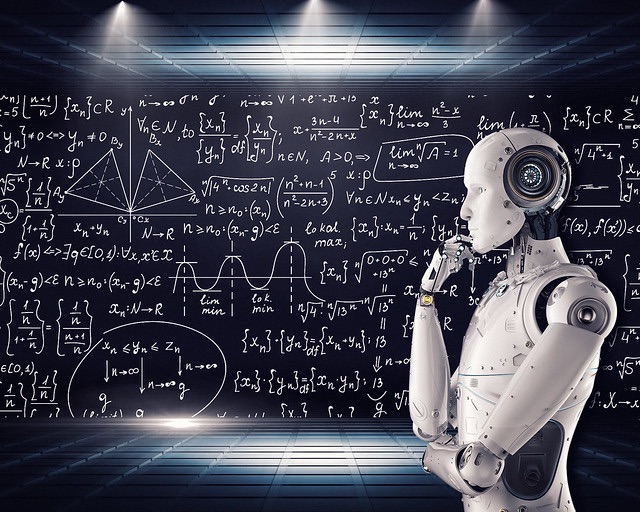
Amidst the shared grief and murmured condolences, I found myself standing next to Ransford, an old school mate. Our conversation, drifting from the solemnity of the moment to the frustrations of daily life, inevitably turned towards the state of things: the government, the legendary inefficiencies, the beleaguered Ghanaian task force. “Sometimes,” Ransford sighed, “it feels like the system is built to fail us. When the very people meant to serve become the barrier… what then?” It was then, amidst the raw vulnerability of loss and shared exasperation, that the phrase landed with the weight of a tombstone: **”Technology steps in when man fails man.”** That mid morning conversation with Ransford became the stark motivation for this reflection.
Ransford’s lament wasn’t abstract. He spoke of containers languishing at Tema Port for weeks, hostage to opaque procedures and whispered “facilitation fees.” He spoke of the farmer watching his perishable harvest spoil while waiting for rickety cars to transport them to market places. He spoke of the ordinary Ghanaian trying to make ends meet yet Human gatekeepers seemed more obstacle than aide. These are not system glitches; they are profound human failures – failures of empathy, integrity, and duty.
And it is precisely into these chasms of human frailty and systemic breakdown that Ghanaian technology is increasingly, and often heroically, stumbling.
1. Bypassing the Bottleneck (Ports & Logistics): Where human intermediaries created costly delays and opportunities for graft, digital platforms are emerging. Online port clearance systems, real-time cargo tracking apps, and electronic payment gateways are slowly but surely reducing the physical touchpoints where “man fails man.” Technology doesn’t eliminate corruption instantly, but it shines a harsh light on deviations, creates auditable trails, and empowers the honest importer or transporter. It steps in where human gatekeeping became a failure of service.
2. Connecting the Disconnected (Agriculture & Markets): Remember the farmer Ransford mentioned? Mobile technology is his lifeline. Apps connecting farmers directly to buyers, mobile payment systems eliminating the risky cash-carry to distant markets, SMS-based weather alerts and agronomic advice – these tools bypass the often unreliable or exploitative middlemen. When traditional market structures failed smallholders, technology offers an alternative channel, ensuring fairer prices and reducing spoilage. It steps in where market access, hindered by human inefficiency or indifference, failed the producer.
3. Demanding Accountability (Civic Engagement): When traditional avenues for holding officials or task forces accountable feel inaccessible or ignored, social media and civic tech platforms become the megaphone. Citizens document service failures, report corruption anonymously via apps, and mobilize communities online to demand action. Technology amplifies the voices that human systems might deliberately silence or conveniently overlook. It steps in where transparency and accountability, core human responsibilities of governance, failed the citizen.
The Ghanaian Paradox: Hope Tempered by Caution
This technological intervention, as Ransford and I acknowledged, is a double-faced KENTE cloth:
* The Efficiency Mirage: Does a sleek app for business registration truly fix the underlying culture of bureaucratic inertia or rent-seeking it tries to circumvent? Technology can be a workaround, masking the deeper rot rather than curing it.
* The Exclusion Risk: Not every farmer has a smartphone; not every trader is digitally literate. When technology steps in, who might it inadvertently leave behind, amplifying existing inequalities? The human failure of exclusion must not be replicated in the digital solution.
* The Accountability Vacuum (Redux): When an algorithm flags a customs irregularity instead of a human officer, who bears ultimate responsibility? When a civic reporting app is ignored by the authorities, is the failure technological or profoundly human? The buck must not disappear into the server rack.
Beyond the Workaround: A Call for Human Reformation
My conversation with Ransford at the funeral wasn’t just about identifying problems; it was a shared yearning for a better Ghana. Technology’s role in stepping where humans fail is not a permanent victory lap for silicon. It is, as we agreed, a stark diagnostic tool and a temporary crutch.
* The Diagnostic: Every fintech app succeeding points to a banking sector that failed the informal trader. Every successful e-government portal highlights the inefficiency of the manual system it replaced. Every civic tech platform gaining traction underscores a failure in traditional accountability mechanisms. Technology holds up an unforgiving mirror.
* The Crutch: It keeps things moving DESPITE the failures. It allows the farmer to sell, the importer to clear goods, the citizen to report – even when the human system stumbles. It prevents total collapse.
The Uncomfortable Question for Ghana:
As Ransford and I parted ways at the funeral, the question lingered, heavier than the humid air: Are we using technology merely to paper over the cracks of our human and systemic failures, or is it catalyzing the deep, necessary reform?
Technology is catching Ghana’s fall in countless ways, big and small. It powers the mobile money transaction when the bank is too far or too slow. It delivers the lifesaving health information when the clinic is understaffed. It tracks the goods when the human chain is broken. But its true award-worthy potential lies not just in the efficiency it brings, but in the uncomfortable truth it forces us to confront about ourselves.
The circuits are holding up parts of our broken system. The challenge Ransford and I grappled with remains: Will we use this technological intervention as a wake-up call to rebuild the human foundations – fostering INTEGRITY, EFFICIENCY, and GENUINE SERVICE – so that technology becomes a tool for progress, not just a reluctant SAVIOUR from our own FAILINGS? The answer to that will define Ghana’s future far more than any app.
GHANA MUST WORK AGAIN





 Lord Fiifi Quayle