By Lord Fiifi Quayle. July 2025

- The Mode of Fragility (Technological Modernity):
- Being: Rooted in abstraction and universality. It sees the world as a collection of problems to be solved by standardized, efficient systems. Value is measured by speed, scale, connectivity, and control.
- Knowing: Relies on externalized, digitized knowledge. Wisdom resides in databases, algorithms, and global networks. Understanding is fragmented, specialized, and dependent on complex, invisible infrastructures (the “black box”).
- Ethics: Prioritizes individual empowerment, consumption, novelty, and often, a subtle alienation from place and community. Resilience is sought through more technology, more complexity, more control.
- Vulnerability: Its strength is also its weakness. It creates profound dependencies and systemic fragility. A single point of failure (power, data, a supply chain link) can collapse vast swathes of perceived reality. It operates on borrowed time and borrowed stability.
- The Mode of Robustness (Culturally Embedded Tradition):
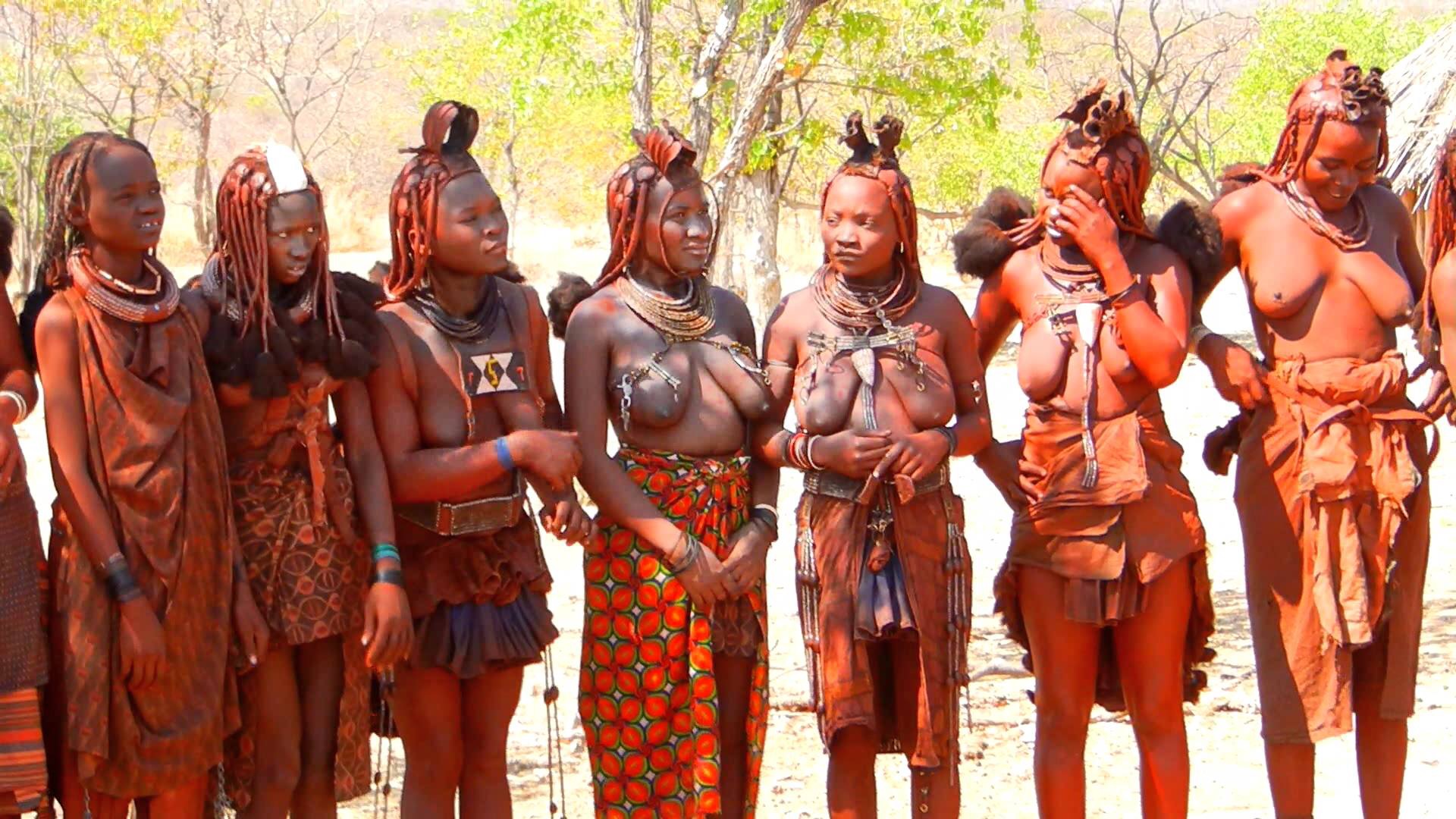
- Being: Rooted in embodiment and particularity. It understands the world through lived experience within a specific place and within a web of relationships (human, natural, ancestral). Value is measured by endurance, reciprocity, harmony, and meaning derived from context.
- Knowing: Relies on embodied, tacit, narrative knowledge. Wisdom is passed down through stories, rituals, craftsmanship, and direct interaction with the local environment. Understanding is holistic, contextual, and resilient to external disruption because it resides in people and practices.
- Ethics: Prioritizes community well-being, respect for limits (natural and social), continuity, and a deep sense of belonging. Resilience is inherent in diversity, redundancy, local adaptation, and mutual aid.
- Vulnerability: Its weakness is often inertia and inadaptability to truly novel, large-scale challenges. It can ossify, preserving harmful practices alongside valuable ones. Its strength lies in weathering known storms, not necessarily unforeseen global tsunamis.
The Philosophical Crisis of Transition
The “third world” transition is not merely economic; it’s an existential migration from one mode of existence to another, often forced and incomplete. This creates a profound disorientation:
- The Epistemic Abyss: The old, embodied ways of knowing are devalued, deemed “backward.” Yet, the new, abstract knowledge remains inaccessible, unreliable, or contextually meaningless when the infrastructure flickers. People are left knowing neither way fully, existing in a limbo of partial understanding.
- The Ontological Shattering: The stable, meaningful world defined by tradition and place is fractured. The new, globalized world offered by technology is enticing but phantasmal – it appears and disappears with the power grid. Identity becomes fluid, contested, and often rootless.
- The Erosion of Meaning: Robust cultures derive meaning from deep narratives – connection to land, ancestors, community roles, sacred practices. Fragile modernity often offers meaning through consumption, individual achievement, and fleeting digital connection, which feel hollow when the screen goes dark. The “quality of life” diminishes not necessarily in material terms (which may improve), but in existential depth and resilient purpose.
- The Paradox of Complexity: Evolution towards greater societal complexity does create fragility (as per Joseph Tainter). Each new layer (global supply chains, digital finance, hyper-specialization) adds points of potential failure. The wisdom lost is often the wisdom of simplicity, sufficiency, and local repair – the very things that buffer against systemic collapse.
Cultivating Robustness: A Philosophical Imperative
Protecting ourselves isn’t just practical; it’s an ethical act of preserving meaning and authentic being in the face of homogenizing fragility. How?
- Embrace Rooted Fluidity: Reject the false choice of stasis or surrender. Be deeply grounded in the wisdom, values, and practices of your place and culture (rootedness), while developing the critical capacity to selectively integrate useful elements of modernity without losing your core (fluidity). Like a deeply rooted tree that bends in the wind.
- Value Embodied Knowledge as Sacred: Recognize that the craftsman’s hand, the farmer’s eye, the healer’s intuition, the elder’s story – these are not primitive relics, but repositories of irreplaceable, lived wisdom. Actively engage in and transmit these practices. They are epistemology made flesh.
- Practice Critical Frugality: Question the necessity and true cost (existential, not just monetary) of every complex technology. Does it enhance our rooted being, or merely create new dependencies? Choose tools that empower local agency and resilience, not just convenience. Value repairability over novelty.
- Cultivate the Communal Self: Understand that robust individuality arises from strong community, not in opposition to it. Invest in face-to-face relationships, mutual obligation, and shared rituals. This web is the ultimate safety net and source of meaning when abstract systems fail. Your robustness is intertwined with the robustness of your neighbors.
- Seek Appropriate Scale: Recognize that not all problems require global, complex solutions. Robustness often thrives at the human scale – the village, the neighborhood, the watershed. Foster systems (economic, social, agricultural) that are understandable, manageable, and repairable at this scale. Complexity should serve the local, not dominate it.
- Accept Finitude and Impermanence (Wisely): Fragile modernity often promises control and immortality (digital legacies, medical miracles). Robust traditions acknowledge limits – of life, resources, and human understanding. This isn’t resignation, but a source of profound realism and appreciation for the present. Build things to last, but understand that everything ultimately changes. Build for endurance within the cycle, not for illusory permanence against it.
In Essence: The Unbreakable Vessel
Living robustly in an unfolding world is the practice of being authentically human within a specific place and time, amidst the seductive chaos of abstraction. It’s recognizing that the microchip offers light but casts long shadows, while the clay pot, shaped by generations of hands knowing this earth, holds enduring sustenance.
The transition to “first world” status, philosophically understood, is not about replicating fragility, but about building a new synthesis: a society where the power of technology serves to amplify and preserve the depth of rooted being, embodied wisdom, and communal strength – not replace it. True development is measured not just in GDP or bandwidth, but in the unbreakable resilience of meaning, connection, and authentic existence that persists even when the lights go out. This robustness isn’t a rejection of progress; it’s the foundation upon which truly sustainable and meaningful progress can be built. It’s the art of holding the light without shattering the vessel.
GHANA MUST WORK AGAIN


 Lord Fiifi Quayle