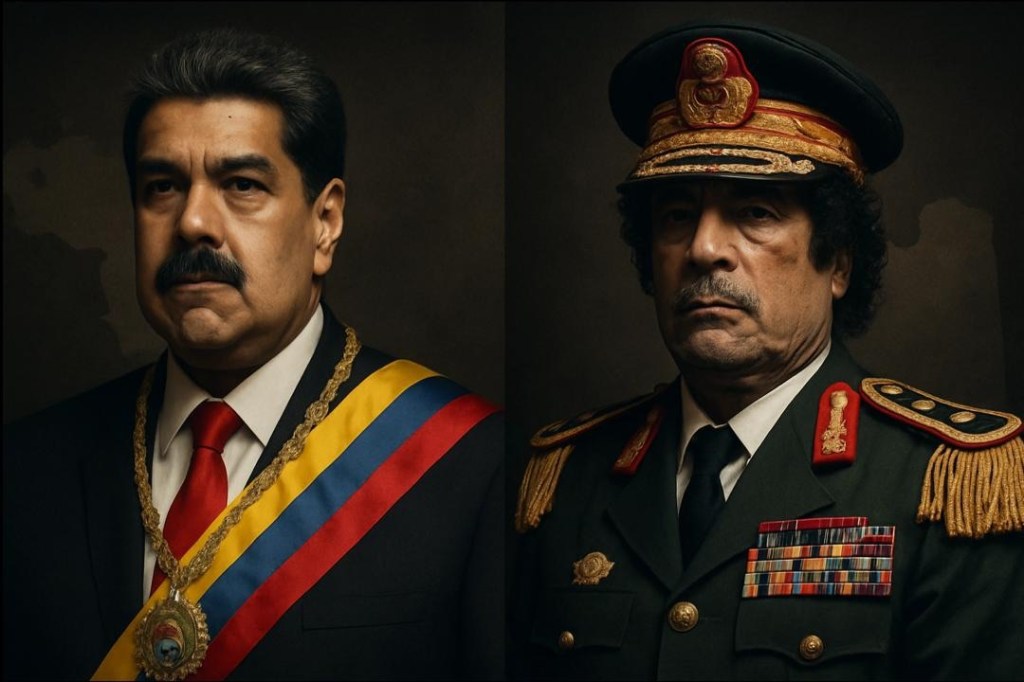
By Lord Fiifi Quayle
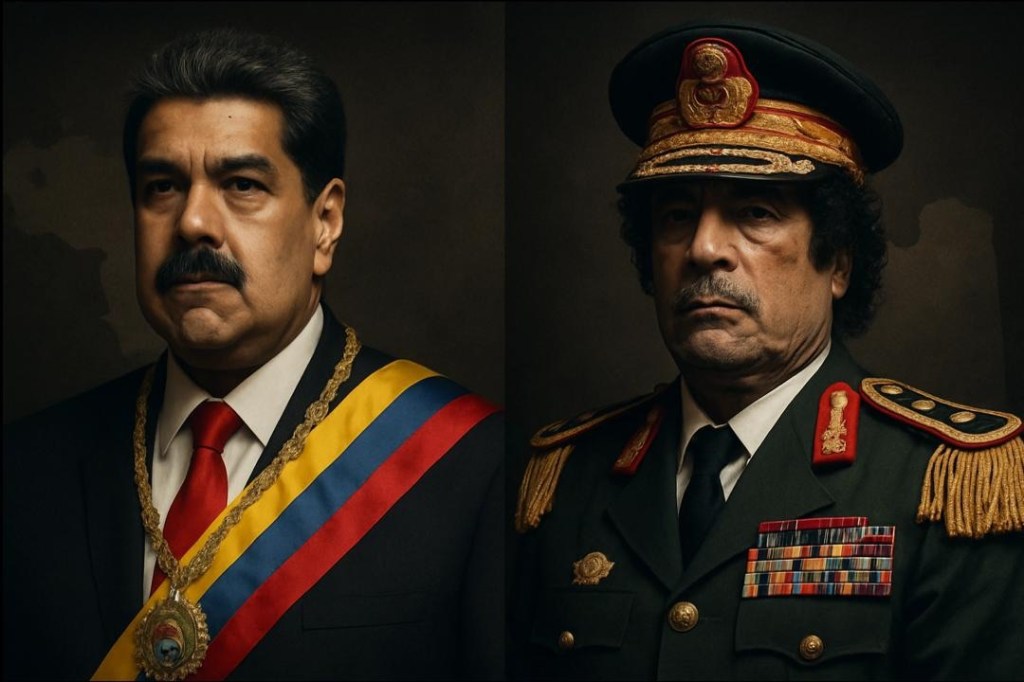
The world awoke on January 3, 2026, to news that has sent a seismic shockwave through the delicate architecture of international relations. President Nicolás Maduro of Venezuela, the nation’s legitimate and sitting head of state, was captured in a large-scale military operation orchestrated by the United States. Flown out of his sovereign territory, the images and reports of his apprehension-described by some as being “humiliated like a dog”, echo a dark precedent that the global community has yet to fully reckon with. The fate of one leader, however, is not merely a political incident; it is a profound question mark placed over the very concept of national sovereignty in the 21st century.
The immediate and visceral comparison is to the brutal end of Muammar Gaddafi in 2011. The world watched, largely in silence, as the Libyan leader; a man who, for all his flaws, had presided over a nation with a high Human Development Index and had pursued a vision of pan-African unity, was dragged from a drainage pipe and killed. His works, including significant investments in infrastructure and social welfare, were evident, yet the international consensus, driven by Western powers, permitted his downfall and the subsequent descent of Libya into chaos. The humiliation of Gaddafi was not just a personal tragedy; it was a symbolic degradation of the principle that a nation’s internal affairs are sacrosanct.
Now, the same chilling narrative has unfolded in Caracas. Venezuela, a nation rich in natural resources, has been a persistent thorn in the side of Washington, primarily for its refusal to align with US foreign policy and its commitment to an independent economic path. Despite years of crippling sanctions designed to induce regime change, the nation has shown remarkable resilience, largely due to deepening economic and strategic ties with China and Russia. This thriving, defiant existence, a direct challenge to the efficacy of the sanctions regime, appears to have been the ultimate provocation.
The question must be asked: Is the humiliation of a sovereign leader a direct consequence of their economic success and geopolitical defiance? Is the thriving of a nation, regardless of Western sanctions, a transgression so severe that it warrants military intervention and the public degradation of its head of state? The capture of President Maduro, a man who maintained power and international recognition despite immense external pressure, suggests a dangerous new doctrine: that economic independence, when achieved with the support of rival powers, is an act of war.
The international community, particularly those nations that have sought to carve out a non-aligned path, must now confront a terrifying reality. The pattern is clear: a leader who champions a vision for his people, who seeks to control his nation’s resources, and who finds alternative partners to circumvent Western hegemony, is deemed an enemy of the established order. The manner of their removal; swift, violent, and utterly humiliating-serves as a stark warning to all who might consider a similar path.
The silence from certain quarters is deafening, while the condemnation from others is immediate. Yet, the most pressing concern remains: Which country is next to be bullied like this? The precedent set in Tripoli and now cemented in Caracas suggests that the rules of the post-war international system_respect for sovereignty, non-intervention, and the peaceful resolution of disputes_have been irrevocably shattered. The world is now a stage where the powerful act with impunity, and the only defense against humiliation is absolute compliance. This is not a new world order; it is a return to the law of the jungle, thinly veiled by the rhetoric of democracy and human rights. The capture of Maduro is a dark day for all nations that value their independence.
 Lord Fiifi Quayle
Leave a comment