By: Lord Fiifi Quayle
The world is once again gripped by a media scandal, one that strikes at the heart of credibility: the BBC’s misleading edit of U.S. President Donald Trump’s speech last year. The fallout has been swift and dramatic top resignations, global headlines, and talk of billion dollar lawsuits. But beneath the noise lies a deeper question for us in Africa: Is this the first time the BBC, New York Times or Western media in general, has twisted the truth? Or is it simply the first time a “big fish” has fought back?
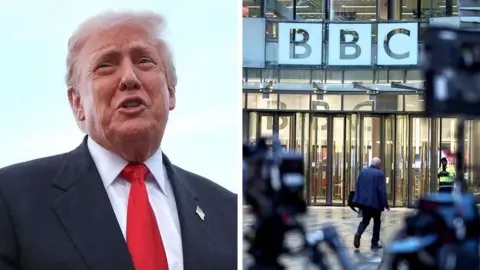
For decades, Africa has been the victim of narratives carefully edited to fit Western imaginations stories framed not for truth, but for pity, shock, or profit. From conflict zones to marketplaces, the lens has rarely been kind. The hungry child, the dusty road, the struggling nation these have too often been the chosen images of our continent, repeated so often that they have become clichés.
When African governments, leaders, and citizens have raised concerns about misrepresentation, the world’s response has been predictable: silence, mockery, or a quick dismissal in the name of “editorial independence.” The BBC, CNN, and other Western news giants have brushed off criticism from Africans as mere defensiveness. But now that a Western political titan is on the receiving end of that same editorial mischief, suddenly there is moral panic, public outrage, resignations, and calls for reform.
If this incident had happened to an African president if their speech had been clipped, rearranged, and stripped of context would the world have cared this much? Would we have seen front page apologies or resignations at the top? Or would it have been justified as “interpretative editing” in the name of storytelling?
The BBC’s Trump scandal exposes a hypocrisy the Global South has long endured. Western media organizations have acted as self appointed judges of truth, often forgetting that truth has context and that context is what Africa’s stories have been stripped of for generations.

It is time for an honest reckoning. The same ethical standards now being demanded by powerful Western figures must be extended universally. The same sensitivity shown to Trump’s image must be shown to the countless Africans whose words and realities have been distorted for decades.
The world owes Africa an apology: not merely for the stereotypes and slanted headlines, but for the lasting damage they have caused. The misrepresentation of a people shapes how the world treats them: it affects investment, diplomacy, and even self-perception. The careless twist of a headline has power, power that has too often been used against us.
So yes, the BBC must clean its house. But beyond that, the world’s media must reflect deeply. Will this be the beginning of fairness, or just another storm that dies once the powerful are satisfied?
For those of us in Africa, this moment is not surprising. It is confirmation of what we have always known. The question now is not whether the BBC will change, but whether the world will finally listen when Africans say: You’ve been editing our truth for far too long.
 Lord Fiifi Quayle
Leave a comment