By Lord Fiifi Quayle, 30 June 2025
The suspension of Chief Justice Gertrude Araba Esaaba Torkornoo in May 2025 and her subsequent public press conference ignited a necessary firestorm around judicial conduct and institutional integrity. Yet the unfolding drama has taken a darker turn. The recent decision by the Ghana Bar Association (GBA), under its President, to echo Justice Torkornoo’s controversial invocation of the 1982 murders of judges – in a press conference held yesterday during the Martyr’s day celebrations – represents a profound betrayal of the legal profession’s duty to uphold due process and an alarming descent into political theatre. This coordinated amplification of historical trauma by the suspended Chief Justice and now the nation’s premier bar association, seemingly aligned with the opposition New Patriotic Party’s (NPP) narrative, deepens the crisis and undermines the very foundations of judicial independence they claim to defend.
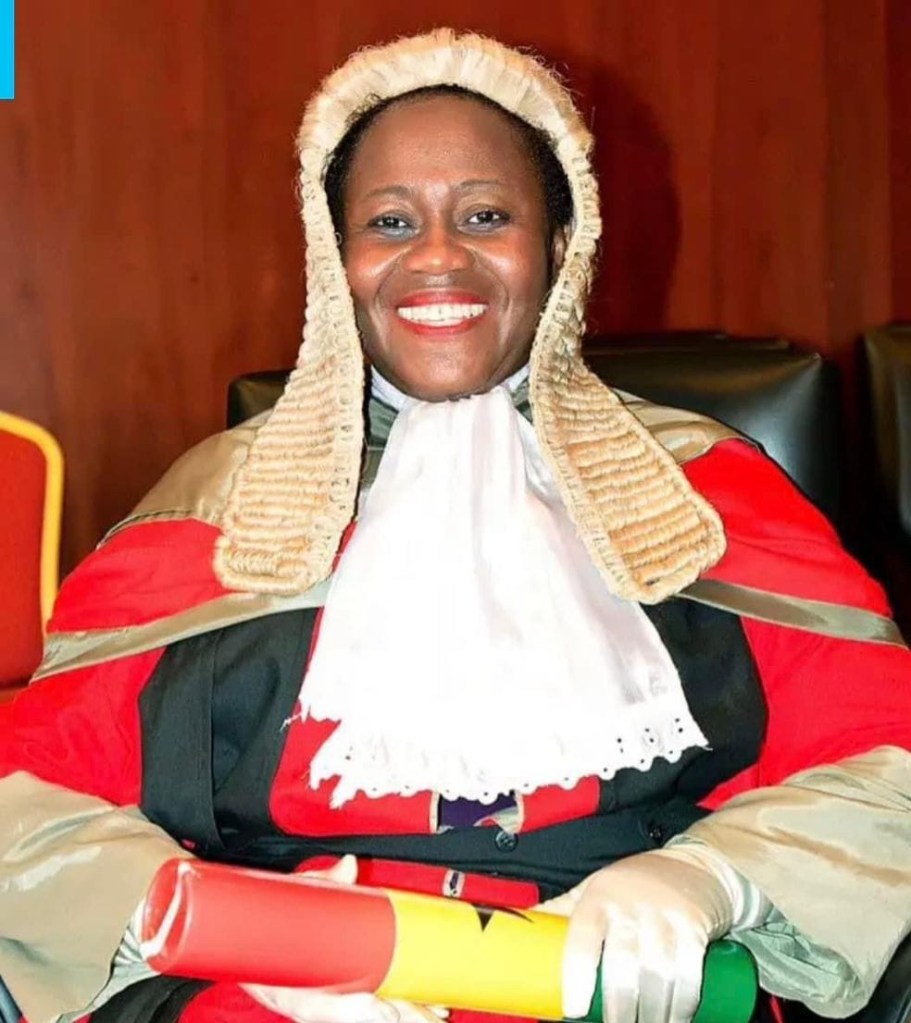
The Weight of the Robe and the Duty of Silence
The Chief Justiceship embodies the Judiciary’s independence, impartiality, and fidelity to the rule of law. As Thaddeus Sory has long argued, democratic resilience demands unwavering adherence to due process. Justice Torkornoo’s suspension, initiated constitutionally by the President upon the Judicial Council’s recommendation, is that process in motion. Her recourse lies solely within the Article 146 framework: formal submissions to the investigating committee, or legal challenges through the courts – not public rallies or historical grandstanding. Her press conference, laden with political undertones and the deeply inappropriate reference to the PNDC-era judge killings, was a fundamental breach of the restraint demanded by her office.
Deepening Institutional Anxiety: The GBA’s Misstep
Oliver Barker-Vormawor‘s warnings against judicial entanglement in political perception now extend critically to the Bar itself. The GBA President’s decision to hold a press conference echoing Justice Torkornoo’s invocation of the 1982 murders is not merely misguided; it is institutionally reckless. By seemingly allowing itself to be used in the NPP’s opposition playbook and reiterating this highly charged historical reference, the GBA has:
- Politicized the Legal Profession: It has transformed the Bar from a guardian of legal principle into a perceived participant in partisan combat, aligning with a narrative challenging a constitutionally mandated process initiated by the governing NDC administration.
- Compounded Harm: As Kwaku “Azar” Asare would contend, instrumentalizing national trauma for contemporary political grievance – especially one concerning a personal investigation – is dangerous. The GBA’s repetition risks trivializing that profound tragedy and weaponizes history to pressure the state and the investigating committee.
- Undermined Due Process: The GBA’s intervention creates the perception of institutional pressure on the ongoing investigation. If the Bar Association had genuine respect for Ghana’s constitutional order and the integrity of its judiciary, it would refrain from joining this futile cause and instead demand all parties allow the Article 146 process to conclude unimpeded. Its actions fuel public skepticism about the legal establishment’s commitment to neutrality.
The Stateswoman’s Path and the Bar’s Duty: Silence is Strength
The true measure of leadership in this crisis lies in dignified adherence to principle:
- For the Chief Justice: Justice Torkornoo’s path remains unwavering respect for process (cooperating fully with the committee), absolute public silence, and demonstration through action that her sole allegiance is to the Constitution. Her press conference was the antithesis of this.
- For the Ghana Bar Association: Its duty is to fiercely protect judicial independence by ensuring the process is allowed to work, not by amplifying politically charged narratives. The GBA should be a voice demanding calm, restraint, and faith in constitutional mechanisms – especially from one of its own members under investigation. Its morning press conference, echoing divisive historical rhetoric, represents a failure of this core responsibility. Respect for Ghana demands the GBA withdraw from this fray and unequivocally call for all institutions and individuals to let the courts and the constitutional process work without external pressure or intimidation.
Upholding Principle Beyond Partisanship: A Collective Imperative
This moment is a critical stress test for Ghana’s democracy. The focus must remain on whether Justice Torkornoo adhered to the exacting standards of her office. The governing NDC’s call for a “reset” focused on accountability and institutional integrity requires all actors – government, opposition (NPP), the Judiciary, the Bar Association, media, and citizens – to rise above old patterns:
- Respect the Process: Allow the Article 146 investigation to proceed without commentary, pressure, or the cynical invocation of historical trauma from any quarter.
- Demand Institutional Restraint: Critically examine the conduct of all institutions involved – the suspended Chief Justice, the GBA, and political parties – against the standard of safeguarding judicial independence and due process.
- Safeguard Independence: Vigilantly protect the Judiciary from perceived or actual interference, whether from the Executive, the Legislature, the Bar, or political operatives seeking to exploit the situation.
Let the Scales Balance Unseen
Justice Torkornoo’s most potent defence would have been silent faith in the law. The GBA’s most honourable action would be to demand silence from all and trust the process. The repeated invocation of the murdered judges is not just inappropriate; it’s a corrosive distraction. Ghana’s faith in its legal system hinges on the ability of its highest judicial officer and its premier legal association to embody the restraint, dignity, and unwavering commitment to due process that true justice demands. The nation must now insist: Let the constitutional process work. Let the committee investigate. Let the courts adjudicate if needed. Let history judge. But let the public clamour – from the bench, the bar, or the political podium – cease. The silent functioning of the law is Ghana’s only path forward.
 Lord Fiifi Quayle
Leave a comment