By Lord Fiifi Quayle
May 18, 2025 – As I look out over the city of Accra on this rainy day, I am struck by a stark reality: the streets are submerged in filth, plastic waste, and debris. Floodwaters rise, displacing families and turning once-bustling neighborhoods into scenes of despair. Just last week, our President stood at the Africa CEO Summit in Ivory Coast, discussing the energy crisis that plagues our nation. Yet here we are, drowning not only in rainwater but also in the very waste that has been allowed to accumulate unchecked.
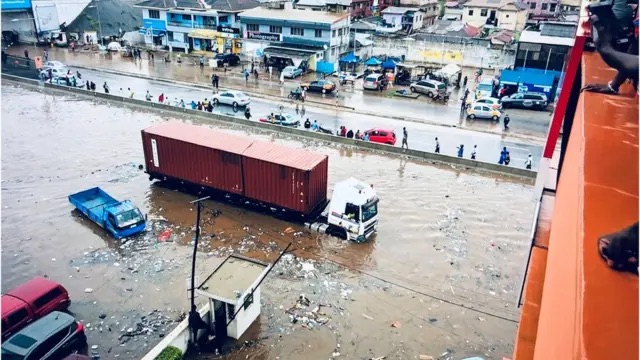
The previous government, in a display of misplaced priorities, squandered over $200 million with grand promises of transforming Accra into the cleanest city in Africa. Today, those promises ring hollow as we navigate through a city where gutters are choked and the air is thick with the stench of neglect. From Lavender Hill to Chorkor, the evidence of our environmental crisis is everywhere: our beaches are littered, the Korle Lagoon is suffocating under a blanket of refuse, and Accra alone generates over 2,200 tonnes of waste each day.
The consequences of this mismanagement are dire. Our communities are at risk of cholera outbreaks and other diseases, as stagnant water mingles with the waste that surrounds us. The floods serve as a painful reminder of our failure to address the root causes of this crisis. As we fumble with the consequences of poor waste management, we must also confront the reality of frequent power outages that leave us in the dark. Our energy crisis is compounded by our inability to manage waste effectively, and it is clear that we cannot afford to ignore this any longer.
However, amid this bleak landscape, there are glimmers of hope. Local government initiatives, alongside the efforts of the Environmental Protection Agency (EPA) and organizations like Zoom Lion, Bus Stop Boys are making strides in waste management. The recent decision to decentralize waste management to regional, district, and municipal levels is a commendable step toward accountability. By empowering locals to manage their waste, we can devise tailored solutions that address the unique challenges faced by each community.
Moreover, we must recognize and support the organizations that are innovating in waste recycling and management. These efforts are crucial in transforming our waste into resources, fostering a more sustainable future. The concept of waste-to-energy—incinerating waste to produce energy—emerges as a viable solution to our dual crises of waste and energy. Not only can this approach help restore cleanliness to our environment, but it can also generate revenue for the government and provide a stable electricity supply for our industries.
The current government came into power with a promise to reset the economy, and it is time to turn those words into action. Drastic measures, such as investing in waste-to-energy technologies, can significantly contribute to our reset agenda. By embracing innovative waste management practices, we can combat the filth that plagues our city, protect public health, and create a cleaner, more sustainable future for all Ghanaians.
Let this rainy day in Accra, serve as a wake-up call. The time for action is now. We must hold ourselves and leaders accountable, support local initiatives, and invest in sustainable solutions that will not only clean our streets but also empower our communities. Together, we can turn the tide on waste management in Ghana and create a cleaner, healthier environment for generations to come.
GHANA MUST WORK AGAIN
 Lord Fiifi Quayle
Leave a comment