By Lord Fiifi Quayle
For the past days, Ghana’s cedi has emerged as a surprising outperformer against major trading currencies, including the US dollar, British pound, and euro. Having appreciated over 13% against the dollar, the cedi’s journey from 14.6 in January to a remarkable 12.4 by mid-year has sparked discussions among economists and investors alike. This article delves into the factors behind this impressive performance, assesses the sustainability of this trend, and explores the government’s strategies that have contributed to this economic turnaround.
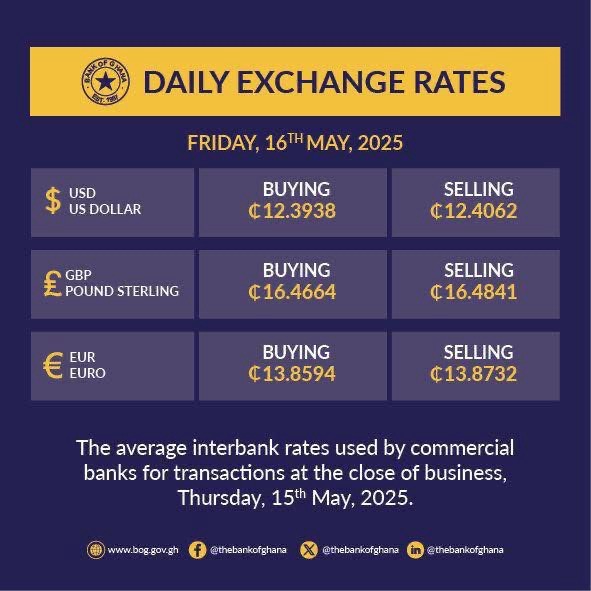
The Remarkable Journey
After starting the year at a concerning exchange rate of 14.6 to the dollar, the cedi experienced a prolonged period of stability, hovering around 15.5 until May. This stability laid the groundwork for the subsequent appreciation, which can be attributed to several key factors. Mahama’s proactive approach, combined with favorable external conditions, has played a pivotal role in this transformation.
Government Strategies and Economic Fundamentals
One of the most significant drivers of the cedi’s appreciation has been the increase in revenues from gold and cocoa, Ghana’s primary export commodities. With gold prices remaining robust on the global market and cocoa production witnessing an uptick, the government has capitalized on these resources to bolster foreign exchange reserves. Additionally, the implementation of policies aimed at enhancing the export sector has yielded positive results, with total exports showing promising growth.
Notably, an increase remittances have also contributed to the influx of foreign currency. As many Ghanaians abroad continue to support their families back home, the resulting increase in forex supply has provided much-needed stability to the cedi.
Furthermore, the recent upgrade by S&P from SD (Selective Default) to CCC+ signals growing confidence in Ghana’s economic management. This upgrade reflects improvements in fiscal policy and a commitment to addressing public debt concerns—an essential factor for maintaining investor confidence.
Sustainability: The Key Question
While the cedi’s performance has been commendable, the pressing question remains: Can this appreciation be sustained? The long period of stability prior to the recent appreciation offers some hope, but it is crucial to remain vigilant.
The government must focus on several critical areas to ensure that the cedi’s gains are not short-lived:
1. Managing Public Debt: Rising public debt remains a significant concern. The government must adopt a prudent fiscal policy to mitigate the risks associated with high debt levels. This includes ensuring that borrowing is directed towards productive investments that can stimulate economic growth.
2. Fiscal Discipline: Addressing fiscal spillage is vital. The government must prioritize efficient spending and revenue generation to create a balanced budget that supports sustainable economic growth.
3. Export Strategy Continuation: The current momentum in export growth must be maintained. Continued investment in the agricultural sector, particularly cocoa and gold, along with diversifying exports, will be essential to ensure steady foreign currency inflows.
4. Strengthening Forex Reserves: Building and maintaining robust foreign exchange reserves will provide a buffer against external shocks and help stabilize the cedi in the long run.
Conclusion
Ghana’s cedi has shown remarkable resilience and strength in recent months, driven by sound government strategies and favorable economic conditions. While the current performance is encouraging, the sustainability of this trend hinges on prudent fiscal management, effective debt control, and a commitment to enhancing the export sector. With the right policies in place, Ghana can not only maintain the cedi’s appreciation but also pave the way for a more stable and prosperous economic future.
GHANA MUST WORK AGAIN
 Lord Fiifi Quayle
Leave a comment