By Lord Fiifi Quayle
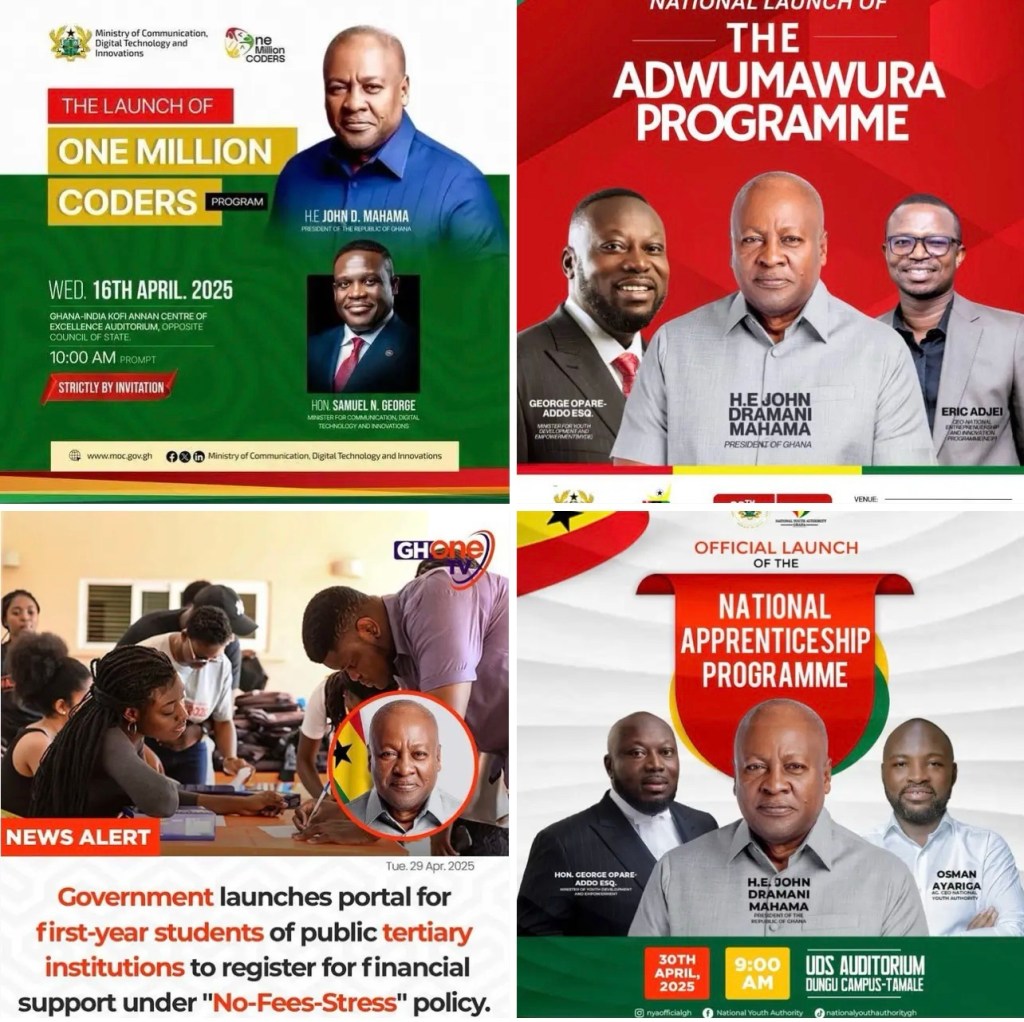
In recent months, it has become increasingly evident that we are retracing the same missteps that plagued the John Mahama 1 administration. While John Mahama 2 has ambitious programs aimed at improving the lives of Ghanaians, the manner in which these initiatives are being launched is leaving much to be desired. We are witnessing a concerning trend: programs are being rolled out with minimal media traction, a lack of public dissection, and without the thoughtful coordination necessary for success.
The Importance of Media Engagement
To begin with, we must recognize that the media landscape plays a crucial role in shaping public perception. It is not enough to simply launch a program; we need to ensure that it captures the attention of the media and, by extension, the public. This requires a well-coordinated launch strategy that includes both good and bad media coverage. Believe it or not, the push and pull of differing opinions gives our initiatives the credence they deserve. By engaging in a dynamic media conversation, we can amplify the positive aspects of our programs while addressing any criticisms head-on.
Engaging Party Members and the Public
Moreover, it is crucial to carry the masses along with us. If our own party members are not fully engaged and informed about our initiatives, how can we expect the general public to be? A successful program launch should not only resonate with party loyalists but also inspire confidence among the broader electorate. This means we need to pause, rethink our approach, and dominate the media space with our narratives.
Take, for example, the recent launch of the chip passports. This initiative could have been more effectively timed to coincide with cost reductions, thereby enhancing its reception. Instead, we find ourselves operating as though we lack a clear strategy. However, we have seen success in other areas; when we decided to stop overemphasizing the 24-hour economy, our messaging became more effective.
The Need for a Robust Propaganda Machine
It is time to get our propaganda machine working effectively. Our agenda setters must be proactive in conditioning the minds of the average Ghanaian to recognize that we are working hard for their benefit. Our grace period will not last forever, and we must capitalize on the momentum we have. Reflecting on the same period in 2017, we recall how mobile money interoperability dominated the conversation. The national identification launch and the digital address system were also executed with precision, capturing public attention and support.
We must also learn from the mistakes of our political opponents. The “One District, One Factory” initiative faced challenges primarily because it failed to carry the people along. Similarly, the completion of 23 senior high schools under the progressive Free SHS initiative(which is unprecedented, no government after Nkrumah has been able to achieve this feat),yet does not resonate with the public due to insufficient engagement. We need to ensure that our programs not only aim for ambitious goals but also connect with the everyday lives of Ghanaians.
Controlling the Narrative
As a party in power, we must step up and take control of the narrative. Our communications should reflect the image of our president as a down-to-earth and level-headed leader. This alignment will foster public trust and confidence in our administration. It is essential that our utterances are circumspect and resonate with the values we wish to project.
Conclusion
In conclusion, as we move forward, we must learn from the past and adapt our strategies for launching programs. By engaging the media effectively, involving party members, and connecting with the public, we can enhance the impact of our initiatives. The time now is to pause, reflect, and dominate the media landscape with our narratives. Let us not repeat the mistakes of the past but instead forge a path that leads to tangible benefits for all Ghanaians. The future of our party and the well-being of our nation depend on it.
GHANA MUST WORK AGAIN
 Lord Fiifi Quayle
Leave a comment