By Lord Fiifi Quayle
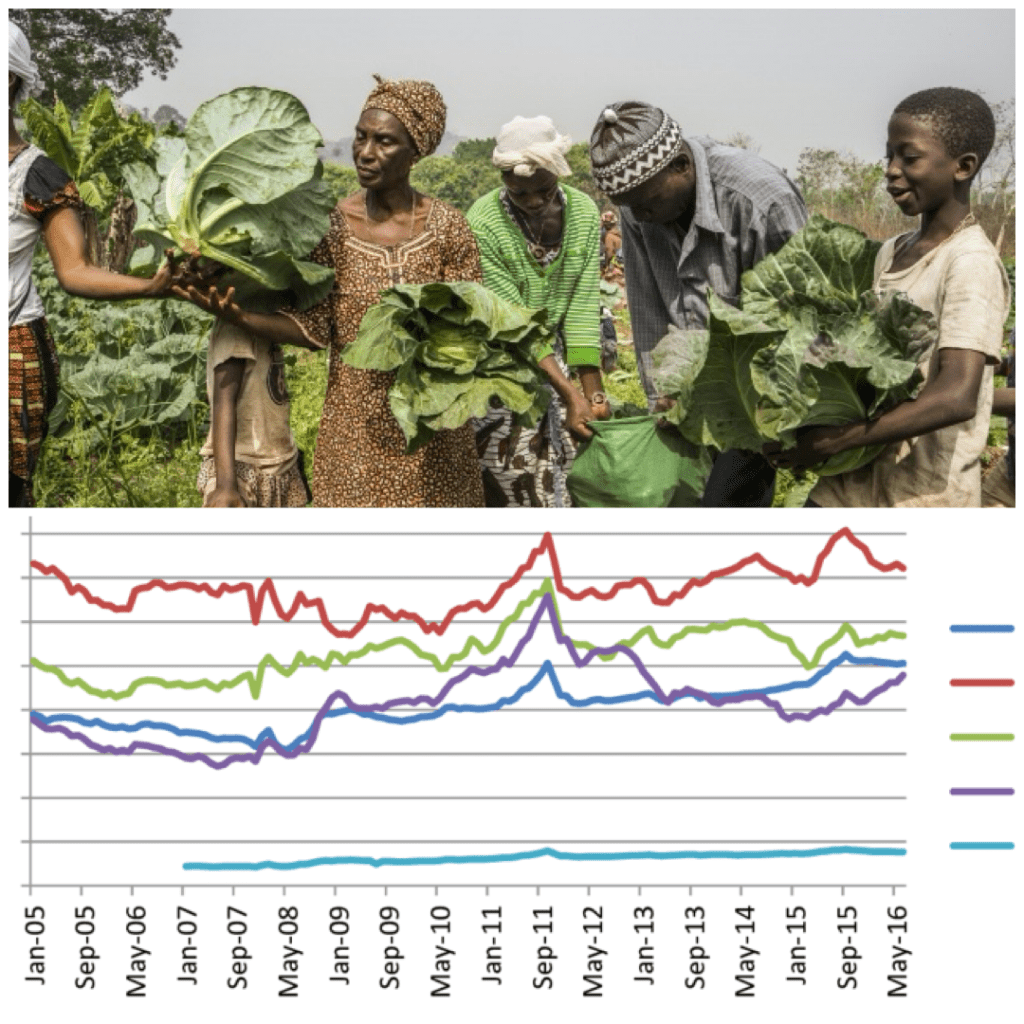
As a developing nation, We find ourselves in a position, struggling with the implications of a strong cedi. While a robust currency can often be seen as a hallmark of economic health, for a low-income country with limited manufacturing capabilities, the pursuit of a strong cedi may not be the most prudent priority. Instead, we should focus on bolstering our production capacities to ensure that no Ghanaian is left behind in the quest for economic prosperity.
The Allure of a Strong Cedi
A strong cedi can bring several apparent benefits: it can lower the cost of imports, reduce inflationary pressures, and enhance the purchasing power of consumers. For a country like Ghana, heavily reliant on imported goods, a stronger currency could theoretically ease the burden of external debt and stabilize prices. However, these benefits must be weighed against the unique challenges that our economy faces.
The Paradox of Strength
The reality is that a strong cedi can have detrimental effects on our local industries. With little to no manufacturing base, Ghana is largely dependent on imports to meet the needs of its population. A strong cedi makes foreign goods cheaper, leading to an influx of imports that can stifle domestic production. Local manufacturers struggle to compete with the lower prices of imported goods, resulting in job losses and a further erosion of our already fragile manufacturing sector.
Moreover, the strength of the cedi against major currencies like the dollar can exacerbate our trade deficit. As consumers flock to cheaper imports, local products may be relegated to the sidelines, hampering the growth of homegrown businesses. This creates a vicious cycle where the reliance on foreign goods stifles innovation, investment, and the development of a robust manufacturing base.
Prioritizing Production
Instead of fixating on the strength of the cedi, Ghana’s economic strategy should pivot towards enhancing production capabilities. By investing in local industries, we can create jobs, stimulate economic growth, and reduce our dependence on imports. This approach not only aligns with our developmental goals but also ensures that the benefits of economic growth are felt by all Ghanaians, rather than a select few.
To achieve this, we must focus on several key areas:
1. Investment in Infrastructure: Improving transportation, energy supply, and logistics will create an enabling environment for local manufacturers. Efficient infrastructure reduces production costs and enhances competitiveness.
2. Access to Financing: Providing affordable credit to small and medium-sized enterprises (SMEs) can empower local entrepreneurs to invest in production. Financial institutions should be encouraged to develop tailored products that meet the needs of these businesses.
3. Skill Development: Investing in education and vocational training will equip the workforce with the necessary skills to thrive in a competitive manufacturing landscape. This not only benefits individuals but also enhances the overall productivity of the economy.
4. Support for Innovation: Encouraging research and development can lead to the creation of new products and services that cater to both local and international markets. Government incentives for innovation can spur growth in sectors where Ghana has a comparative advantage.
Conclusion
In conclusion, while a strong cedi may seem attractive, it is imperative that Ghana prioritizes production over currency strength. By focusing on building a robust manufacturing base, we can create a more resilient economy that empowers all Ghanaians. In our quest to navigate through the complexities of globalization and economic development, it is imperative to note that true prosperity lies not in the strength of our currency, but in the strength of our people and their capacity to produce. It is time for Ghana to invest in its future by fostering an environment where local production thrives, ensuring that no one is left behind in our collective pursuit of economic growth.
GHANA MUST WORK AGAIN
 Lord Fiifi Quayle
Leave a comment