By Lord Fiifi Quayle | 27th October 2024
Ghana’s economy is at a critical juncture, grappling with the aftermath of the COVID-19 pandemic and a series of fiscal missteps that have led to a crisis of confidence among investors and international financial institutions. As the country seeks to stabilize its economy, the role of credible leadership, particularly from the finance minister, cannot be overstated. The market’s perception of Ghana’s economic fundamentals is heavily influenced by this credibility, which has fluctuated in recent years.
Following the initial shock of the pandemic, Ghana appeared to be on a recovery path, buoyed by significant financial support from the International Monetary Fund (IMF). In 2020, the IMF recognized the government’s efforts and provided substantial funding to cushion the economy. However, by 2021, the narrative had shifted dramatically. The market lost faith in the government’s economic strategy, leading to a downgrade in the country’s credit rating. This downgrade was attributed to a fundamental misalignment in fiscal policy, where short-term debt was utilized for long-term planning, undermining the very projects that were intended to stimulate sustainable growth.
The current government’s approach to borrowing has raised eyebrows. Capital-intensive projects, which are essential for long-term economic development, were overshadowed by a tendency to use borrowed funds for consumption purposes. This misallocation of resources has not only strained public finances but has also eroded the credibility of the government in the eyes of both domestic and international stakeholders. The stark reality is that one cannot disregard the assessments of rating agencies and the IMF. When the government selectively praises these institutions, it raises questions about its commitment to fiscal discipline.
Despite a recent change in the finance minister(a move initiated by the opposition NDC due to his poor performance), the economic landscape remains largely unchanged. This transition, while symbolically significant, has not translated into the much-needed policy shifts or strategic reforms that the market has been yearning for. Investors are still left questioning whether the new leadership will bring about the accountability and credibility that have been sorely lacking. The government must demonstrate that it is serious about addressing the core issues, rather than merely shifting personnel without a corresponding shift in policy direction.
Adding to the growing discontent among the populace, the government initially assured citizens that there would be no “haircuts” on existing debts and investments. However, it has since embarked on measures that effectively constitute haircuts, impacting not only government bonds but also personal savings and investments. This breach of trust has further alienated the public and investors alike, as many are left grappling with the reality that their financial security has been compromised. Such actions undermine the government’s credibility and raise significant concerns about its commitment to protecting the savings and investments of its citizens.
As Ghana navigates this turbulent economic landscape, the need for a coherent and credible economic strategy is paramount. The National Democratic Congress (NDC), as a potential alternative government, must present a robust performance improvement plan that addresses the pressing issues of debt management and fiscal responsibility. Engaging in bilateral discussions with creditors is essential to renegotiate terms and establish a clear pathway for repayment. This is a crucial step toward restoring investor confidence and stabilizing the economy.
Austerity measures, while politically sensitive, are unavoidable. The government must prioritize expenditure management, focusing on essential services and infrastructure while cutting back on non-essential spending. This disciplined approach will demonstrate a commitment to fiscal responsibility and help regain the trust of both domestic and international investors.
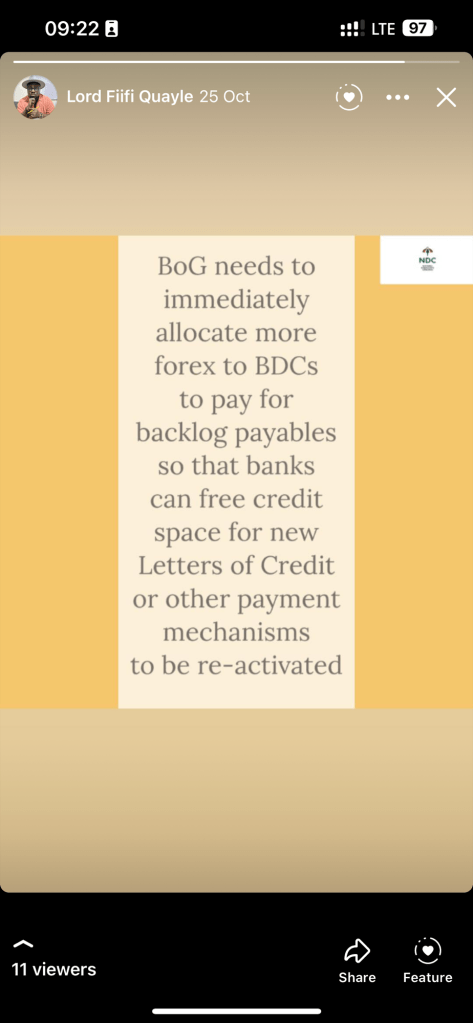
Furthermore, the banking sector plays a vital role in this recovery process. Financial institutions must be empowered to provide credit lines and support for businesses, particularly in times of economic strain. The management of interest rates will also be critical, as high borrowing costs can stifle growth and investment. A collaborative approach between the government and banks will be necessary to facilitate access to credit, enabling businesses to thrive and contribute to economic recovery.
In conclusion, Ghana stands at a crossroads, with the potential for recovery contingent on the government’s ability to restore credibility and implement sound economic policies. The lessons learned from the past few years underscore the importance of fiscal discipline, transparent communication, and a commitment to engaging with international financial institutions. As the nation looks to the future, it must embrace a path of reform that prioritizes sustainable growth and investor confidence, ensuring that Ghana can emerge stronger from this economic crisis. Without genuine change in policy direction and a commitment to accountability, the hopes for a revitalized economy may remain just that—HOPES. The government must act decisively to regain the trust of its citizens and investors, or risk deepening the economic malaise that currently plagues the nation.
THERE IS STILL HOPE FOR GHANA
 Lord Fiifi Quayle
Leave a comment