By Lord Fiifi Quayle | 22 October 2024
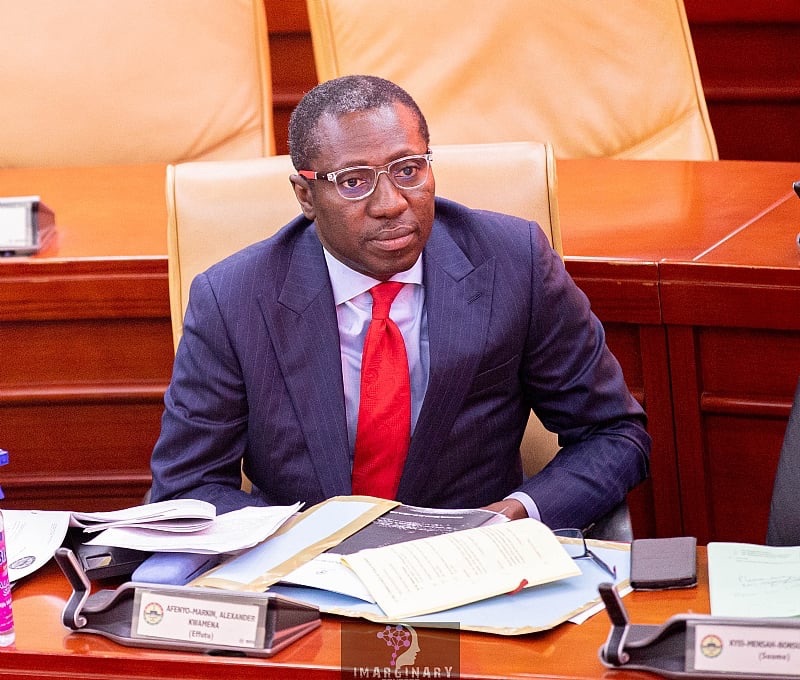
The line between integrity and deception in politics can often blur, leading to consequences that resonate far beyond the immediate parties involved. Recent revelations surrounding a document submitted to the Supreme Court by former Majority Leader Afenyo Markin have cast a long shadow over Ghana’s parliamentary integrity, raising questions about accountability and the sanctity of judicial processes.
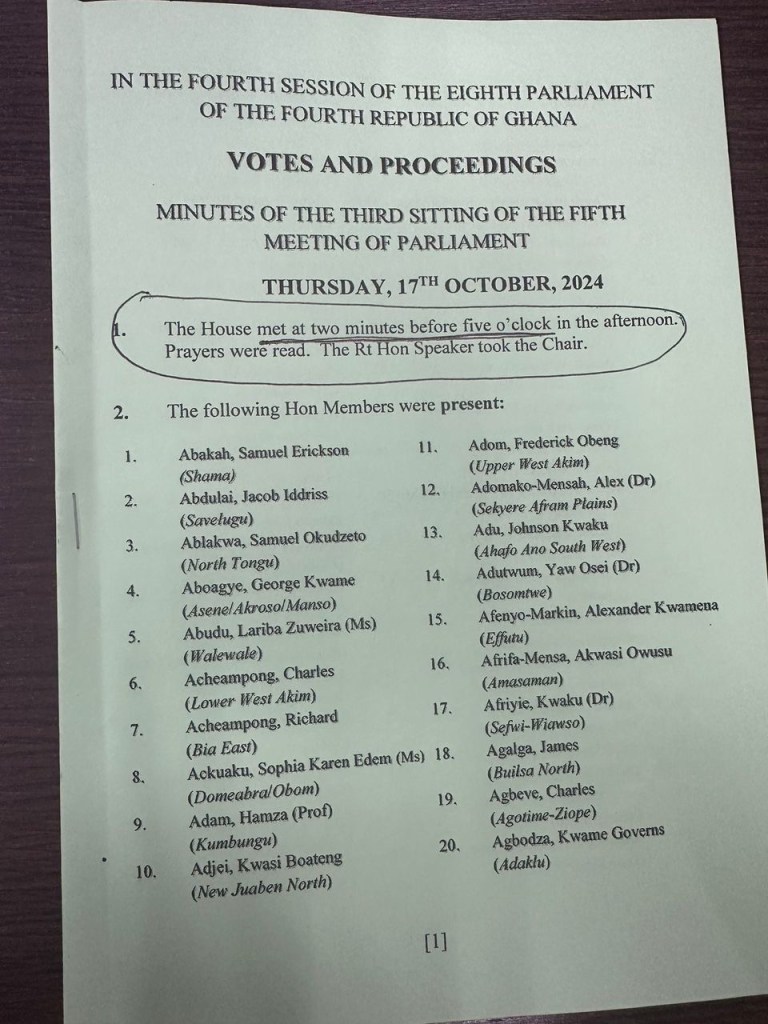
The document in question, purportedly critical to a case before the Supreme Court, has been revealed as doctored by a staff member of parliamentary services. This alarming development not only undermines the credibility of the document itself but also calls into question the very foundation upon which the court made its ruling. The implications are profound; a judicial decision based on flawed evidence can erode public trust in both the legal system and the legislative body that produced the document.
As the news broke, the reaction from Parliament was fast. Disciplinary actions have been initiated against those involved in the manipulation of the document, signaling a recognition of the gravity of the situation. However, the effectiveness of these measures remains to be seen. Will they serve as a deterrent to future misconduct, or will they be perceived as mere lip service in a political landscape often marred by scandal?
The role of EXHIBIT in legal proceedings cannot be overstated. They serve as the bedrock of evidence, guiding judges in their decisions and influencing the course of justice. When such documents are compromised, the entire judicial process is called into question. In this case, the Supreme Court judges, who were tasked with upholding the law and interpreting the Constitution, found themselves relying on a document that had been manipulated for unknown purposes. This raises a critical issue: how can we ensure the integrity of legal documents, and by extension, the rulings that stem from them?
The fallout from this incident extends beyond the immediate parties involved. It has the potential to impact the public’s perception of Parliament and the judiciary, institutions that are meant to embody the principles of democracy and justice. When trust in these institutions erodes, the consequences can be dire, leading to apathy, disillusionment, and a fractured social contract between the government and the governed.
Moreover, this incident highlights the need for robust checks and balances within parliamentary services. The fact that a single staff member could manipulate a document with such far-reaching implications is a glaring oversight. It raises questions about the protocols in place for document verification and the training provided to staff responsible for handling sensitive legal materials.
As Parliament moves forward with disciplinary actions, it must also consider broader reforms to prevent such incidents from occurring in the future. This includes implementing stricter oversight mechanisms, enhancing staff training, and fostering a culture of accountability within parliamentary services. The goal should be to create an environment where integrity is paramount, and where the sanctity of legal documents is upheld at all costs.
In the coming weeks, as the dust settles from this scandal, it will be crucial for both Parliament and the Supreme Court to engage in transparent discussions about the implications of this incident. They must work to restore public trust and ensure that the integrity of the judicial process is never again compromised by the actions of a few.
In conclusion, the Afenyo Markin document scandal serves as a stark reminder of the fragility of our democratic institutions. It is a call to action for all stakeholders to recommit to the principles of honesty, transparency, and accountability that are essential for the functioning of a healthy democracy. The path forward may be fraught with challenges, but it is a journey that must be undertaken to safeguard the rule of law and the rights of the citizens they serve.
THERE IS STILL HOPE FOR GHANA

 Lord Fiifi Quayle
Leave a comment