By Lord Fiifi Quayle | October 2024
Growing up, I was always drawn to the powerful sermons of religious leaders who spoke passionately about the intersection of faith and politics. One pivotal moment in my life came in the early 2000s when I made the audacious decision to run away from school to attend one of Dr. Mensah Otabil’s annual programs. The atmosphere was electric, filled with the intense heat of believers eager to hear messages of hope and empowerment.
During that event, Otabil invited a pastor from a South African country, who was also a politician. Their message was clear and resonant:Christians must take up the mantle of leadership because they are called to be the “salt of the earth.” They passionately preached against complacency, urging us not to allow “uncircumcised Philistines” to govern our lives. This powerful rhetoric sparked a fire within me, inspiring my interest in politics and my desire to make a difference in my community.
Fast forward to today, I find myself at a crossroads. The very leaders who inspired me to engage in politics now seem to have adopted a selective silence when it comes to holding the current government accountable. I remember the intensity of those sermons and the call to action that resonated with so many of us. It is disheartening to witness a stark contrast between the messages of yesteryear and the current state of affairs.
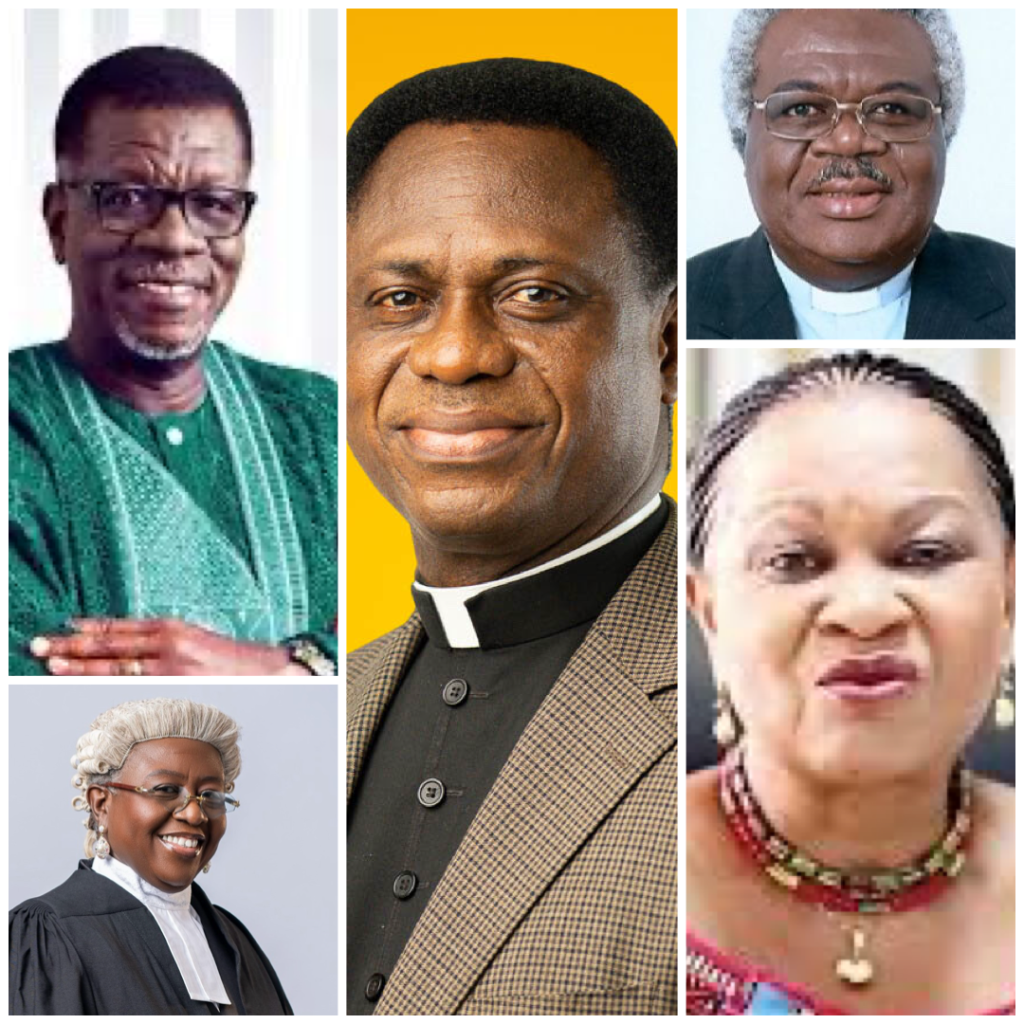
It is entirely acceptable for religious leaders to have differing views and affiliations. However, what troubles me is the apparent inconsistency in their voices. When John Dramani Mahama was in power, Otabil, Martey, Afenyi and others were vocal critics of his administration, calling for accountability and justice. Yet, under Nana Addo Dankwa Akufo-Addo, many of these same leaders have remained largely silent, but for a few notable exceptions like the Catholic Church’s stance against illegal mining and the unlawful arrests of protestors.
This silence is hypocrisy. If we are to believe that men of God are to stand for truth and righteousness, then they must do so regardless of the political party in power. Their voices should not be contingent on who occupies the seat of authority. The teachings I once embraced emphasised the need for Christians to be active participants in governance, to advocate for the marginalised, and to hold leaders accountable.
As someone who was inspired to enter politics with the intention of being that “salt of the earth,” I struggle to reconcile the silence of these influential figures with the teachings that once motivated me. It is a bitter pill to swallow when the very leaders who encouraged us to engage in the political arena seem to abandon their convictions when it matters most.
I believe that true leadership, especially within the church, requires courage and integrity. It is not enough to speak out only when it is politically convenient. The challenges facing our nation—corruption, human rights abuses, and environmental degradation—demand a consistent and unwavering moral voice from our religious leaders.
As we continue to find our way in this complex political landscape, I hope to see a revival of the boldness that once characterised our religious leaders. They have the power to inspire change, to advocate for justice, and to remind us of our responsibilities as citizens. It is time for them to stand by their words and to lead by example, ensuring that their advocacy transcends political affiliations and resonates with the core values of truth and righteousness.
In this critical moment, I urge my fellow believers and religious leaders to remember the call to be the salt of the earth. Let us not shy away from our responsibilities but instead embrace the challenge of being agents of change in a world that desperately needs it.
THERE IS STILL HOPE FOR GHANA
Lord Fiifi Quayle is a Ghanaian citizen and aspiring politician dedicated to promoting social justice and accountability in governance.
 Lord Fiifi Quayle
Leave a comment